
Never lose a customer to a missed message
An AI agent trained on your own business, replying in seconds, in any language, on every channel your customers already use.
Iran aviation sanctions flights disruption is spreading across the Middle East and beyond. The US Treasury designated 36 entities on September 8, 2026, under an action called Operation Economic Outcast. That included 27 Iranian airlines. In the weeks since, more than 20 carriers based in the UAE, Iraq and Turkey have suspended flights to Iran. Iranian officials are warning neighboring countries that supporting the restrictions could bring “wider regional consequences.”
What the US actually sanctioned
The Treasury’s September 8 action named 27 Iranian airlines. They include Iran Air Tour, Iran Aseman Airlines, Kish Airlines, Saha Airlines, Qeshm Air and two dozen others. Nine additional supporting entities and individuals were also named, for a total of 36 designations. Treasury also suspended three Iran-related aviation authorizations. Those had permitted overflights and allowed non-US carriers to operate US-origin or US-controlled aircraft into Iran. Officials described the targeted airlines as entities “the regime uses to move weapons, personnel, and illicit cargo.” The action targeted “covert front companies, foreign intermediaries, and deceptive transshipment routes” Iran has relied on to obtain US-origin aircraft and sensitive technology, officials said.
How the Iran aviation sanctions flights disruption is spreading
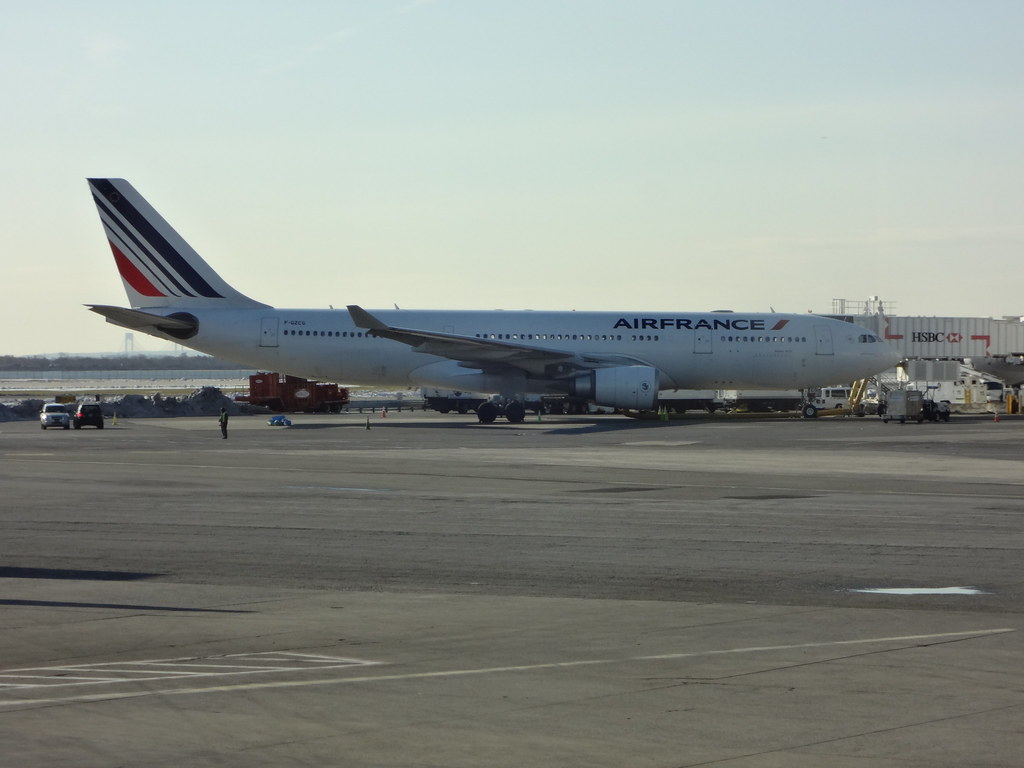
The fallout has moved well beyond the 27 named carriers. More than 20 airlines based in the UAE, Iraq and Turkey have halted their own Iran operations, rather than risk falling foul of the sanctions regime. International carriers including Lufthansa and Austrian Airlines have reduced Tehran services. Emirates has cut back as well. Iraq’s Baghdad, Najaf, Erbil and Sulaymaniyah airports have suspended flights to and from Iran. The UAE has restricted Iranian carriers from Dubai and Abu Dhabi. Georgia, Azerbaijan and Turkmenistan have each pulled back access in various ways since September 21. A handful of routes to Shanghai, Bangkok, Phuket and Kabul remain among the few international connections still operating.
Why airlines are cutting routes voluntarily
Most of the more than 20 carriers that suspended service were not named in the Treasury action directly. They acted anyway. Airlines and financial institutions that do business with sanctioned entities, even indirectly, risk being cut off from the US financial system themselves. That risk is usually enough to make carriers err on the side of caution rather than test where the sanctions line actually falls. The result is a disruption considerably larger than the 27 named airlines alone would suggest.
Who is affected on the ground
The disruption has real consequences beyond airline balance sheets. Religious pilgrimage travel to the Shia holy cities of Najaf and Karbala in Iraq has been disrupted for Iranian travelers who previously flew direct. Cargo transport of goods including pharmaceuticals and medical equipment has been severely constrained on routes that used to move by air. Travelers who once flew are increasingly shifting to overland routes. That means extended waits at land border crossings. This adds to a difficult month for travel connected to Iran, following the renewed US travel warning covered in our report on Iran’s renewed travel advisory.
How this compares to past Iran sanctions rounds
The US has sanctioned Iranian aviation before, but rarely at this scale in one action. Thirty-six designations in a single announcement is a large number even by the standard of past enforcement waves against Tehran. That scale is part of why the regional response has been so fast.
What travelers should expect next
Airlines that have not yet suspended Iran-linked routes are reassessing their exposure on a case-by-case basis, according to industry reporting, rather than waiting for further Treasury guidance. Iranian officials have publicly warned neighboring governments against cooperating further with the restrictions. That raises the risk that more countries could either tighten or, under pressure, loosen their own airspace rules in the coming weeks. Anyone with travel plans routing through Iran, or connecting via an affected regional hub, should expect continued volatility. Check directly with your carrier before departure. For related disruption elsewhere in the region, see our coverage of flights suspended over Tigray and the broader pattern of flight delays affecting US travelers this fall.
Iran Flight Sanctions: Frequently Asked Questions
What triggered the Iran aviation sanctions flights disruption?
The US Treasury designated 36 entities on September 8, 2026, including 27 Iranian airlines, under an action called Operation Economic Outcast, and suspended three aviation authorizations tied to Iran.
Which Iranian airlines were sanctioned?
Twenty-seven carriers were named, including Iran Air Tour, Iran Aseman Airlines, Kish Airlines, Saha Airlines and Qeshm Air, among others.
How many airlines have suspended Iran flights as a result?
More than 20 carriers based in the UAE, Iraq and Turkey have halted Iran operations, alongside reduced service from Lufthansa, Austrian Airlines and Emirates.
Which airports have suspended Iran-linked flights?
Baghdad, Najaf, Erbil and Sulaymaniyah in Iraq, plus restrictions at Dubai and Abu Dhabi in the UAE, and reduced access via Georgia, Azerbaijan and Turkmenistan.
Are any international routes to Iran still operating?
A limited number of connections to Shanghai, Bangkok, Phuket and Kabul remain among the few still operating.
How has Iran responded to the sanctions?
Iranian officials have warned neighboring countries against supporting the restrictions, suggesting there could be wider regional consequences.
Sources
- US Department of the Treasury — Treasury Grounds Iranian Airlines with Sweeping Sanctions Action. https://home.treasury.gov/news/press-releases/sb0623
- Travel And Tour World — Iran Aviation Crisis Deepens As Middle East Flight Network Faces Major Disruption After New Sanctions And Route Closures. https://www.travelandtourworld.com/news/article/86cu4ne1rmqs/
Verification your users actually receive.
Send one-time passcodes over WhatsApp with a single API call. Replio can generate, hash and verify the code for you.
