Guterres Just Gave His Last UN Speech — And Issued a Warning

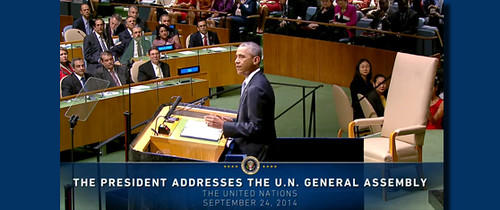
World leaders converged on New York this week for the opening of the 81st UN General Assembly, and the session carried extra weight: it is the last one Antonio Guterres will open as Secretary-General before his second term ends. The UN General Assembly Guterres opening drew a call for “a world built on interdependence,” as he used his final address to press leaders on climate change, conflict and the rise of artificial intelligence.

What Guterres told the UN General Assembly Guterres session

Guterres opened the General Assembly in New York on Tuesday, September 22, delivering his annual report and final address before UNGA President Khalilur Rahman formally opened the debate. He pleaded for greater global cooperation, framing the challenges facing the UN, climate change, war, inequality and artificial intelligence, as a “formidable menu” that no country can manage alone. It was a valedictory tone from a Secretary-General whose second and final term ends on December 31, 2026.

A packed podium on day one

Guterres was followed at the podium by Brazilian President Luiz Inacio Lula da Silva, US President Donald Trump and French President Emmanuel Macron, each addressing a different slice of the same agenda. Macron used his remarks to argue there could be “no peace without justice,” a line aimed squarely at ongoing conflicts still unresolved on the Security Council’s docket. The juxtaposition of speakers, an outgoing UN chief followed immediately by heads of state jockeying over the institution’s future direction, set the tone for a High-Level Week already being described as unusually consequential.

Why this General Assembly carries extra stakes

Beyond the substantive agenda, this session doubles as the informal start of the race to succeed Guterres. Diplomats in New York have spent the run-up to the session gauging support for potential successors, even though no formal selection has been made. That undercurrent shaped how closely delegations listened to Guterres’s closing arguments, treating them less as routine remarks and more as an attempt to set the agenda his successor will inherit.
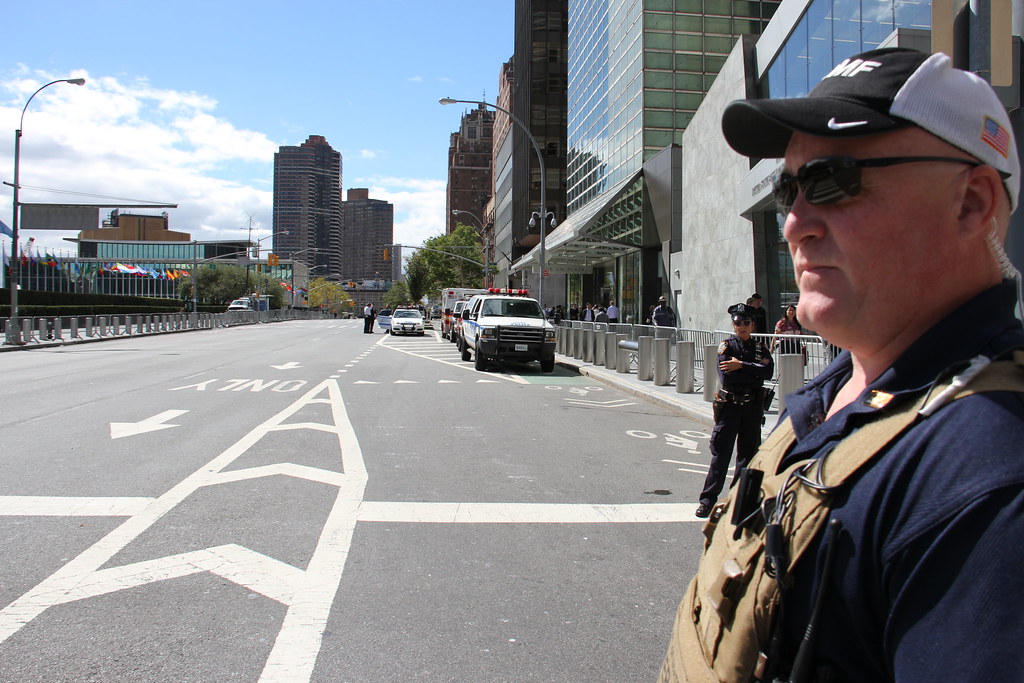
UN General Assembly Guterres

What happens through the rest of the week

The general debate runs through Saturday, September 26, before resuming on Monday, September 28, with dozens more heads of state and government scheduled to speak. Side meetings on climate finance, AI governance and Middle East diplomacy are expected to run in parallel with the formal floor speeches, as they typically do during General Assembly week. Guterres is expected to remain active in select side events even as the floor debate shifts to other leaders.

Climate and conflict dominate the substantive agenda

Beyond the diplomatic theater of who speaks when, the substance of this year’s General Assembly centers on a familiar but unresolved list: stalled climate finance commitments, active conflicts across multiple regions that the Security Council has struggled to address, and rising economic inequality between wealthy and developing nations. Guterres devoted a significant portion of his address to each, framing them not as separate crises but as symptoms of the same underlying failure of international cooperation that has defined much of his tenure. Delegates from smaller nations have used the opening days to press for concrete funding commitments rather than renewed rhetorical pledges, a frustration that has grown louder in recent General Assembly sessions.

The undercurrent shaping every hallway conversation

Diplomats gathered in New York are also quietly positioning for what comes after Guterres. His second term ends December 31, 2026, and while no successor has been formally chosen, informal soundings among member states have already begun. That race adds a layer of strategic calculation to speeches that might otherwise read as routine, since delegations are listening for signals about which candidates carry support from key blocs, and which policy priorities a new Secretary-General might inherit or abandon.

The agenda items competing for attention

Climate finance, artificial intelligence governance and Middle East diplomacy are all vying for space on a crowded week of side events running alongside the formal floor speeches. Guterres used part of his address to argue that AI oversight can no longer be treated as a secondary issue behind traditional security concerns, framing it as core to the interdependence he called for. Delegations from smaller and developing nations have used side sessions to press wealthier member states on climate finance commitments that have repeatedly fallen short of pledged targets in recent years, a tension likely to resurface throughout the week’s remaining sessions.

Frequently Asked Questions

What did Guterres say in his final address?

He called for ‘a world built on interdependence,’ urging cooperation on climate change, conflict, inequality and the rise of artificial intelligence as his second and final term as UN Secretary-General nears its end.

When does Guterres’s term end?

His second term as UN Secretary-General ends on December 31, 2026, making this his last General Assembly opening as the sitting chief of the UN.

Who spoke after Guterres?

UNGA President Khalilur Rahman formally opened the debate, followed at the podium by Brazilian President Luiz Inacio Lula da Silva, US President Donald Trump and French President Emmanuel Macron.

How long does the General Assembly debate run?

The high-level debate opened Tuesday, September 22, and runs through Saturday, September 26, before resuming Monday, September 28.

Is a new Secretary-General being chosen this session?

The race to succeed Guterres is part of the backdrop to this year’s session, though no successor had been formally selected as world leaders gathered in New York.

Related coverage on Tamara News

For more context, see our reporting on Trump delcy rodriguez meeting and Iran ceasefire diplomatic progress.

Sources

Trump Just Signed a Law That Could Slap 100% Tariffs on Russian Oil Buyers

President Trump signed a sweeping new sanctions law on September 18, 2026, giving his administration fresh authority to punish Russia’s energy trade and to keep pressure on Iran through the next decade. The Russia Iran sanctions act, formally the Lindsey O. Graham Sanctioning Russia and Iran Act of 2026, lets the president impose tariffs of up to 100% on the five largest buyers of Russian oil and natural gas, and targets the “shadow fleet” of tankers Moscow has used to dodge existing restrictions.

What the Russia Iran sanctions act actually does

The law, known in Congress as H.R. 5334, passed the Senate 86-11 in August and the House of Representatives 262-159 on September 16, before reaching the president’s desk two days later. Its core provisions authorize sanctions and steep tariffs on Russian officials, financial institutions and defense-related networks, as well as on foreign governments and companies that help Russia evade existing restrictions. The legislation also extends the Iran Sanctions Act of 1996 through 2031, locking in restrictions on Tehran for another five years beyond their prior expiration.

Named for a senator who did not live to see it signed

The bill carries the name of Senator Lindsey Graham, the South Carolina Republican who championed tougher Russia sanctions for years before his death in July 2026. Colleagues who pushed the measure through in the months that followed described it as completing work Graham had spent years building support for, and the White House signing ceremony referenced his role directly.

The shadow fleet and the new tariff threat

The centerpiece of the new authority targets Russia’s so-called shadow fleet, tankers that move Russian oil while obscuring ownership and insurance to sidestep Western price caps. Under the new law, the administration can now threaten tariffs as high as 100% against the countries that buy the most Russian oil and gas, a tool intended to squeeze the revenue Moscow uses to fund its war in Ukraine without direct military confrontation.

Russia Iran sanctions act

What comes next for Moscow and Tehran

The administration has not yet named which countries or companies will face the new tariffs, and officials say implementation will roll out over coming weeks as the Treasury and State Departments identify targets. Energy analysts are watching whether major buyers of Russian crude adjust their purchasing to avoid becoming a designated target, which could reshape global oil-trade patterns heading into 2027. For Iran, the extension of the 1996 sanctions framework removes any near-term prospect of that law lapsing, a scenario that had been debated in Washington earlier in the year.

How the shadow fleet actually evades sanctions today

The shadow fleet typically relies on ship-to-ship transfers in open water, flags of convenience registered to obscure shell companies, and insurance arranged outside Western providers who would otherwise be bound by sanctions compliance rules. Maritime trackers have documented hundreds of vessels operating this way since the initial round of price-cap sanctions took effect, moving Russian crude to buyers in Asia and elsewhere at prices well above the official cap. The new law gives US authorities more direct tools to sanction the intermediaries who arrange this insurance and financing, rather than only targeting the tankers themselves, which officials argue was a major gap in the earlier sanctions regime.

How Congress got here

The bill’s path through Congress was unusually smooth for sanctions legislation of this scope. It cleared the Senate 86-11 in August, a margin that reflected rare bipartisan appetite for tougher measures against Moscow even amid disagreement over other foreign policy questions. The House followed with a 262-159 vote on September 16, clearing the way for the president’s signature just two days later. Supporters argued the shadow-fleet provisions closed a gap that existing sanctions regimes had failed to address, since tankers that obscure ownership and insurance have let billions of dollars in Russian oil revenue continue flowing despite earlier restrictions.

How allies and adversaries are reacting

European governments, which have pursued their own sanctions against Russia’s energy sector since the war in Ukraine began, broadly welcomed the new US authority as complementary to their existing measures. Russian officials dismissed the law as further evidence of Washington’s hostility, while analysts in Moscow cautioned that the shadow fleet has proven adaptable before and may again find workarounds. Whether the new tariff threat proves more effective than earlier sanctions rounds will likely become clear only once the administration names its first targets.

Frequently Asked Questions

What is the Russia Iran sanctions act?

It is the Lindsey O. Graham Sanctioning Russia and Iran Act of 2026, a law signed by President Trump on September 18, 2026, that expands sanctions and tariff authority against Russia’s energy trade and extends existing Iran sanctions through 2031.

Who does the law target?

Russian officials, financial institutions and defense-related networks, the shadow fleet of tankers used to evade oil price caps, and any foreign government or company that helps Russia dodge existing sanctions.

How high could the new tariffs go?

The law authorizes tariffs of up to 100% on the five largest purchasers of Russian oil and natural gas, though the administration has discretion over which countries or entities are actually designated.

Why is the bill named after Lindsey Graham?

Senator Lindsey Graham championed tougher Russia sanctions for years before his death in July 2026; lawmakers named the bill for him after it passed.

Does this affect separate Iran ceasefire diplomacy?

The law runs alongside, not in place of, separate diplomatic efforts around Iran; it primarily extends an existing sanctions framework rather than introducing new ceasefire-related measures.

Related coverage on Tamara News

For more context, see our reporting on Oil prices iran war fears, Ukraine drone attack moscow refinery and Iran ceasefire diplomatic progress.

Sources

Germany’s CDU Just Posted Its Worst Result Since World War II

Germany’s Christian Democratic Union suffered its worst result in any state election since World War II on Sunday, as the far-right Alternative for Germany overtook it to become the strongest party in Mecklenburg-Vorpommern. The CDU state election defeat pushed Chancellor Friedrich Merz’s party below the 5% threshold needed to enter the state parliament at all, a result Merz himself called a “disaster.” The vote adds fresh strain to a governing coalition already under pressure from a broader far-right surge across several German states this autumn.

How the CDU state election defeat unfolded

The Mecklenburg-Vorpommern state election was held on September 20, 2026, with turnout reaching 78.1%, a high figure for a regional vote. The AfD won 38.2% of the vote and 32 seats, making it the strongest party in the state legislature for the first time. The CDU collapsed from 13% in the previous election to just 4.9%, falling under the 5% cutoff and losing every seat it held. The Social Democrats finished second with 35.5% and 29 seats, while the Greens took 5.7% and five seats and The Left won 6.5%, also for five seats.

Why the AfD surge matters beyond one state

Mecklenburg-Vorpommern was one of several German states to hold elections this September, and the pattern has been consistent: the AfD gaining ground while the CDU’s traditional base erodes. Analysts covering the vote described it as part of a wider realignment in eastern Germany, where economic anxiety and migration policy have become dominant campaign issues. A result this stark, a governing national party shut out of a state parliament entirely, is without recent precedent for the CDU.

What it means for Merz’s coalition

Merz, who leads the federal coalition government in Berlin, does not face a national election because of this result, but the symbolism is difficult to contain. A chancellor’s party being wiped out in a state legislature raises questions about his authority within his own party ahead of tougher budget and migration votes later this year. Coalition partners are watching closely for signs that CDU lawmakers grow more cautious about defending unpopular policy positions.

Where German politics goes from here

The immediate practical effect is a Mecklenburg-Vorpommern state government that will likely be negotiated between the SPD, Greens and Left, since no mainstream party will govern with the AfD. The bigger question is whether the CDU can regroup before the next round of state votes, or whether Sunday’s result marks the start of a longer decline in its eastern German strongholds. For now, Merz has said he intends to stay in his post, but the pressure inside his own party is unlikely to ease soon.

CDU state election defeat

What travelers and businesses watching Germany should note

Political instability at the state level rarely disrupts daily life immediately, but investors and multinational employers with operations in eastern Germany are watching for policy shifts around energy subsidies and labor rules that a weakened CDU may struggle to defend. Germany’s national government has not signaled any change in course, and coalition talks in Mecklenburg-Vorpommern are expected to take weeks rather than days.

How this fits Germany’s wider election calendar

Mecklenburg-Vorpommern was not an isolated data point. Berlin and Saxony-Anhalt also held state elections in the same window this September, and in each case the AfD gained ground while support for the traditional governing parties softened. Taken together, the results suggest eastern Germany’s political map is shifting faster than national polling had captured, with implications for how federal lawmakers approach migration and energy policy ahead of budget negotiations later this year. Regional analysts note that the CDU’s collapse in this particular state was unusually severe even against that broader backdrop, since the party did not simply lose ground, it lost every seat.

How other parties are responding

Leaders from the SPD, Greens and The Left have publicly ruled out any coalition involving the AfD, a position that has held across Germany’s states despite the far-right party’s growing vote share. That leaves the three parties needing to negotiate a workable governing arrangement in Mecklenburg-Vorpommern despite holding fewer combined seats than a comfortable majority would typically require. Party officials from all three have signaled they expect talks to be difficult, given how differently they have historically approached spending priorities and industrial policy in the state.

Frequently Asked Questions

What caused the CDU state election defeat in Mecklenburg-Vorpommern?

A combination of AfD gains on migration and economic messaging, and eroding CDU support in eastern Germany, produced a 4.9% result for the CDU, well below the 5% threshold needed for parliamentary seats.

Did the CDU lose all its seats?

Yes. Falling under the 5% threshold means the CDU holds zero seats in the new Mecklenburg-Vorpommern state parliament, compared with 13% and a governing role in the prior term.

Is Chancellor Merz’s national government affected directly?

Not immediately. Merz remains federal chancellor, but the result increases internal pressure on his leadership and complicates upcoming coalition negotiations in Berlin.

Who will govern Mecklenburg-Vorpommern now?

With the AfD shut out by other parties’ refusal to form a coalition with it, a government is expected to be negotiated among the SPD, Greens and The Left, who together hold a workable majority.

Is this part of a wider trend in Germany?

Yes. The AfD has posted gains across several eastern German state elections in 2026, part of a broader realignment analysts have been tracking since the party’s rise began in the mid-2010s.

Related coverage on Tamara News

For more context, see our reporting on Alberta independence referendum vote and Ukraine drone attack moscow refinery.

Sources