
Never lose a customer to a missed message
An AI agent trained on your own business, replying in seconds, in any language, on every channel your customers already use.
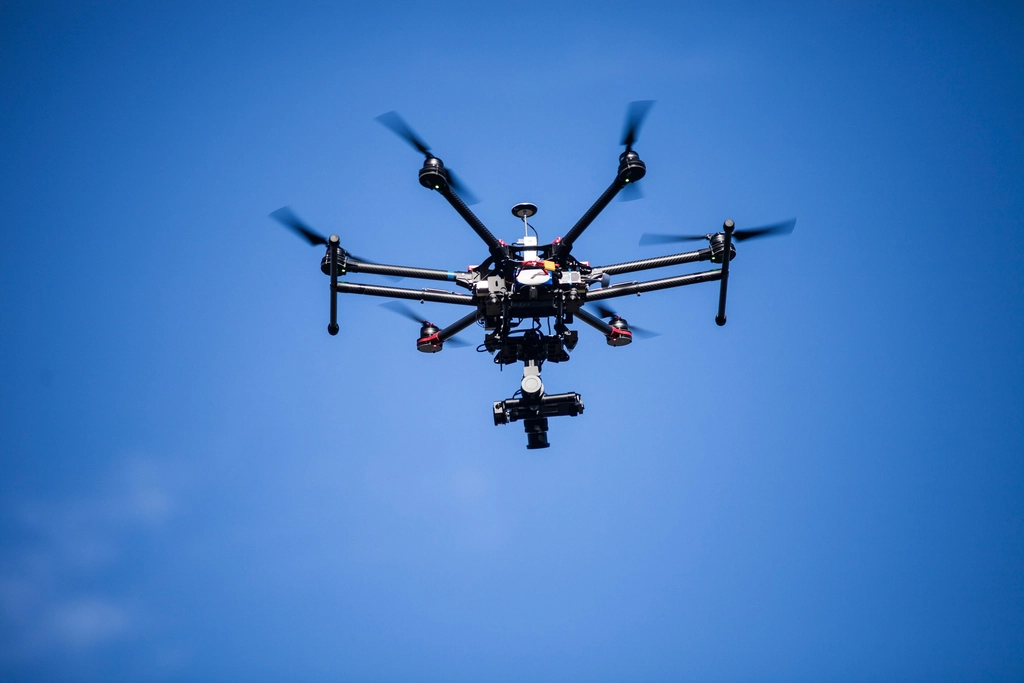
A reported Russia drone warning Europe alert set off a diplomatic denial on September 24, 2026. Spanish newspaper El Mundo claimed the CIA had told several southern European governments to prepare for a possible Russian drone operation. The target: Spain, France and Italy. French President Emmanuel Macron and Italy’s defence minister both rejected the report the same day. European officials still acknowledge that drone incidents linked to Russia are a real and growing pattern.
What El Mundo reported
El Mundo did not name its intelligence sources in the report. That omission is part of why both governments were able to dispute it so quickly. The Spanish paper reported that US intelligence had passed on information suggesting Moscow could launch drones from ships in the Mediterranean toward France, Spain or Italy. If true, the claim would have marked one of the more specific warnings yet about a Russian drone operation against a NATO member’s mainland. Most recent incidents have instead involved border incursions and airspace violations.
Why officials pushed back on the Russia drone warning Europe report
Neither leader offered an alternative explanation for where the report originated. Speaking in a joint interview on France 2 and TF1, Macron was direct. “We can deny this piece of information, the CIA did not inform France of this information and the Italian defence minister said the same thing,” he said. Italy’s Defence Minister Guido Crosetto denied the allegations on social media. He called the report unhelpful during a tense period. He said it was “not confirmed.” Both denials were specific to the CIA-warning claim. Neither addressed the broader possibility of a Russian drone threat.
The broader pattern Macron did not deny
European officials have grown more willing this year to name Russia directly after an incident, rather than describing attacks only as “unidentified.” That shift in tone is itself notable. Macron pointed to the drone attack on Leipzig/Halle Airport on August 4-5, 2026. German authorities attributed that attack to Russia. He called it evidence the underlying threat is real, even if this specific warning wasn’t confirmed. France has not experienced a comparable attack yet, he said. But “there have been several signs indicating that Russia is preparing to do this,” he added. Moscow, he said, views pressure on Europe as strategically tied to the war in Ukraine. That framing, real underlying risk but this particular report unconfirmed, echoes recent coverage of drone strikes tied to the Ukraine war elsewhere in Europe.
Why the denial itself is notable
A single unconfirmed newspaper report would normally pass with little comment from senior officials. This one did not. Governments do not typically comment on intelligence-sharing claims at all, whether true or false. Macron’s decision to address the report directly, on national television, signals how seriously European leaders are treating public perception of drone threats right now. Denying a false alarm carries its own risk: it can look reassuring in the moment, but it also invites scrutiny the next time a real warning is issued quietly through normal channels. Italy’s quick, matching denial suggests the two governments coordinated their response rather than reacting independently.
Where this goes from here
Spain and Italy have not issued their own detailed statements beyond Crosetto’s remarks, leaving open exactly how the three governments are coordinating behind the scenes. France has increased patrols near sensitive infrastructure this year as a precaution, officials have said separately, even without a confirmed incident on French soil. The denial closes this specific story. It does not close the underlying question it raised. European governments are now openly discussing drone incursions as a near-term possibility, not a hypothetical one. Expect continued statements from NATO members about air defense readiness. More reporting on Russian drone activity near European borders, confirmed or not, is likely to follow. For related developments, see our coverage of new US sanctions legislation targeting Russia and Iran.
Common Questions About the Drone Warning
What did the El Mundo report claim about a Russia drone warning to Europe?
It claimed the CIA had told Spain, France and Italy that Russia could launch drones from ships in the Mediterranean toward their territory.
Did Macron confirm or deny receiving a CIA warning?
Macron denied it directly, saying the CIA did not inform France of any such information.
Did any other government back up Macron’s denial?
Yes. Italy’s Defence Minister Guido Crosetto also denied the report and called it unconfirmed and unhelpful.
Does this mean the drone threat to Europe isn’t real?
No. Macron specifically pointed to the August 2026 Leipzig/Halle Airport drone attack, attributed to Russia by German authorities, as evidence the broader threat is genuine.
What is the Leipzig/Halle Airport incident Macron referenced?
A drone attack on the airport on August 4-5, 2026, which German authorities attributed to Russia.
Has France experienced a similar drone attack?
Macron said France had not experienced a comparable attack but that signs suggest Russia may be preparing one.
Sources
- Euronews — Macron denies CIA warned France of Russian drone attack. https://www.euronews.com/2026/09/24/french-president-emmanuel-macron-denies-claims-the-cia-informed-france-of-a-possible-russi
- Kyiv Post — Ukraine News Today: Breaking Updates & Live Coverage – September 25, 2026. https://www.kyivpost.com/thread/85360
Verification your users actually receive.
Send one-time passcodes over WhatsApp with a single API call. Replio can generate, hash and verify the code for you.
