
Never lose a customer to a missed message
An AI agent trained on your own business, replying in seconds, in any language, on every channel your customers already use.
Microsoft has unveiled the Microsoft Maia 300 chip, its third-generation in-house AI accelerator, as part of a custom-silicon programme the company says will become its primary inference hardware starting in 2027. Microsoft claims the new chip delivers up to seven times the token throughput per rack compared with its predecessor, Maia 200, in matched 96-accelerator configurations.
The chip is built around eight HBM4 memory stacks delivering 18 terabytes per second of bandwidth, with a thermal design power of 950 watts — about 200 watts more than Maia 200. It uses a chiplet design, with compute dies manufactured by TSMC on its advanced N2P process, paired with separate memory-controller and input/output chiplets.
What the Microsoft Maia 300 chip changes at the rack level
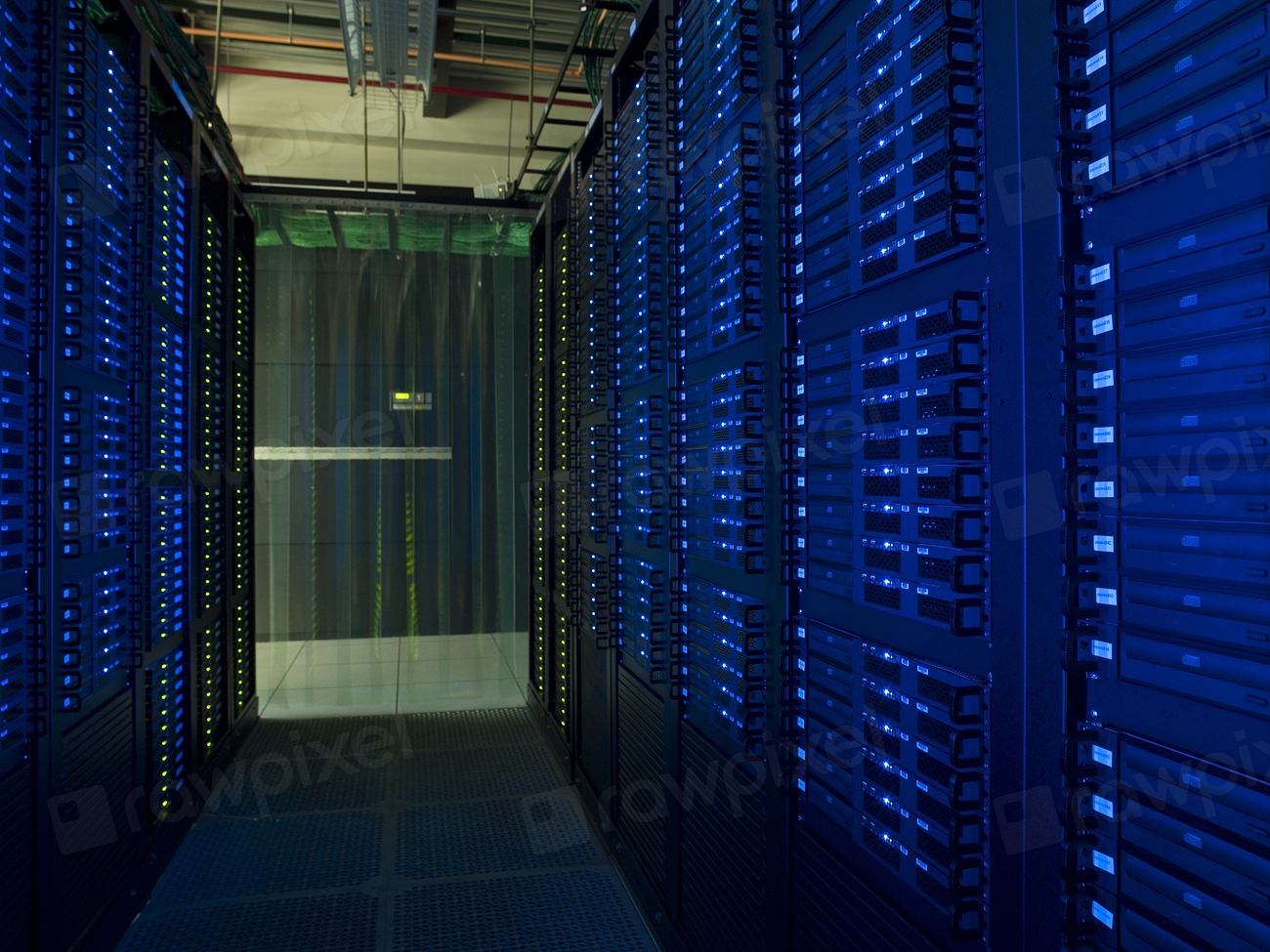
A full production rack holds 96 Maia 300 accelerators and draws about 167 kilowatts of power, aggregating to 27.6 terabytes of HBM capacity and 1.7 petabytes per second of combined memory bandwidth across the rack. Microsoft says the chip supports low-precision number formats, including an enhanced version of MXFP4, which reduces the memory needed for the “key-value cache” that large language models rely on during inference — a detail that matters because memory bandwidth, not raw compute, is increasingly the bottleneck in large-scale AI inference systems.
Scale-up communication between racks uses Microsoft’s own Ethernet-based AI transport protocol, which the company says can span anywhere from a single rack to an entire data centre, a design choice aimed at avoiding reliance on proprietary interconnects from chip suppliers.

How it compares with Maia 200
Maia 200, the current-generation chip now in production, is built on TSMC’s 3-nanometer process with 216GB of HBM3e memory and 7 terabytes per second of bandwidth, running at 750 watts. It already powers Microsoft Copilot and supports model development inside Microsoft’s MAI research team, and is rolling out across the US, Europe and Australia. Microsoft says Maia 200 delivers up to 1.7 times more tokens per watt than comparable GPU infrastructure for workloads including Teams, Copilot and Cowork AI features. GitHub Copilot and Microsoft Foundry support are both expected to go live on Maia 200 before the end of 2026.
Maia 300 is positioned as the next step up rather than a replacement arriving immediately — production rollout is scheduled for 2027, when Microsoft says the Maia family will scale to “multi-gigawatt deployments” and become the company’s primary inference hardware going forward.
The bigger picture: cutting dependence on external GPU suppliers
Microsoft’s push into custom silicon mirrors moves by Google, Amazon and Meta, all of which have built their own AI accelerators partly to reduce dependence on externally sourced GPUs amid years of tight supply and high prices. Microsoft has reportedly discussed securing roughly 300,000 Maia 300 units for 2027 delivery as part of scaling the programme, and the company’s own framing emphasizes efficient data movement — rather than raw processing power alone — as the main constraint on large inference systems today.
Notably, Anthropic has said it plans to run Claude models on Maia hardware, a detail that signals Microsoft is positioning the chip not just for its own internal workloads but as infrastructure other AI labs can use through Azure.
What comes next for Microsoft’s AI chips
The real test for Maia 300 will come once production ramps in 2027 and independent benchmarks can verify Microsoft’s internal performance claims against real workloads, rather than the company’s own marketing figures. Enterprise customers evaluating Azure AI infrastructure will be watching pricing and availability details that Microsoft has not yet disclosed, along with how quickly the chip reaches the “multi-gigawatt” scale the company has promised.
The broader AI hardware market will also be watching whether Maia 300’s efficiency claims hold up well enough to meaningfully dent Nvidia’s dominance in data-centre AI chips, or whether, as with Maia 200 before it, the chip mainly serves Microsoft’s own internal demand rather than reshaping the wider competitive landscape.
Maia 300 questions, answered
When does the Maia 300 enter production?
Microsoft says production rollout begins in 2027, when the chip becomes its primary inference hardware at multi-gigawatt scale.
How much faster is it than Maia 200?
Microsoft claims up to seven times the token throughput per rack in matched 96-accelerator configurations.
Who manufactures the chip?
TSMC produces the compute chiplets using its N2P process node.
What is HBM4 and why does it matter?
HBM4 is a high-bandwidth memory standard; the eight stacks on Maia 300 deliver 18 terabytes per second, addressing memory bandwidth as the main bottleneck in large AI inference workloads.
Will other AI companies use Maia 300?
Microsoft says Anthropic plans to run Claude models on Maia hardware, suggesting the chip will serve external Azure customers as well as internal workloads.
Does this replace Maia 200 immediately?
No. Maia 200 remains in production and continues rolling out through 2026, with Maia 300 arriving as the next generation starting in 2027.
Sources
- Techzine Global — Microsoft unveils Maia 300, designed for multi-gigawatt deployments. techzine.eu
- Techmeme — Microsoft says Maia 300 racks will hold 96 chips and use ~167 kW of power. techmeme.com
For related coverage, see our reports on the DRAM memory chip shortage and Finland’s halt on a Google data centre.
Verification your users actually receive.
Send one-time passcodes over WhatsApp with a single API call. Replio can generate, hash and verify the code for you.
