
Never lose a customer to a missed message
An AI agent trained on your own business, replying in seconds, in any language, on every channel your customers already use.
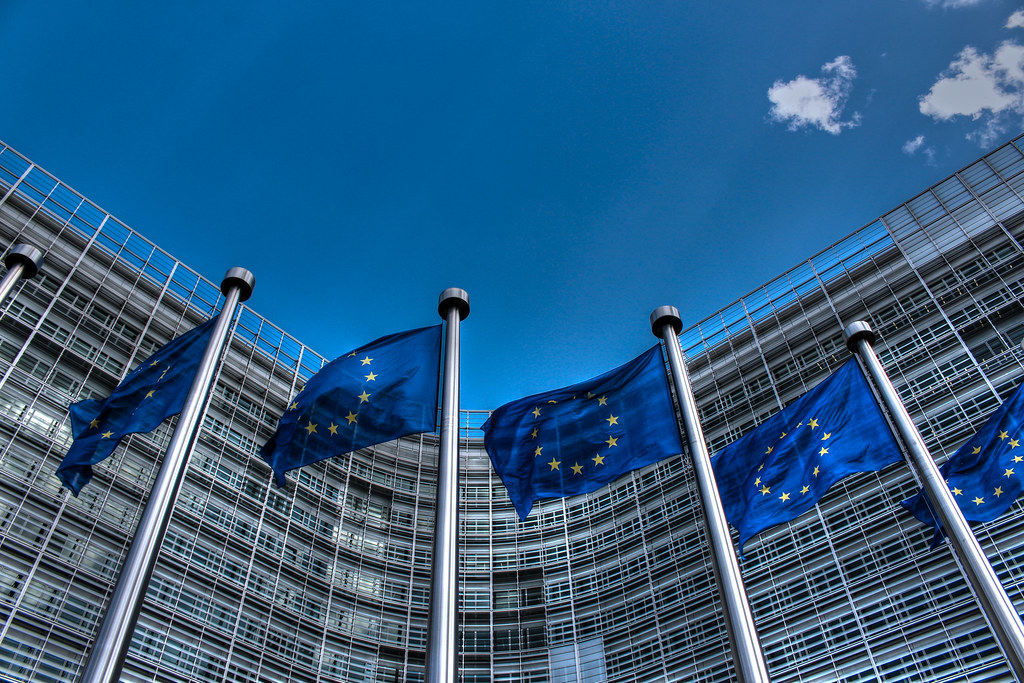
European Council leaders gathered in Brussels on October 15-16, 2026, for a summit that put EU frozen Russian assets back on the agenda. Once again, they left without resolving what to do with them. A senior European diplomat briefed reporters on condition of anonymity ahead of the meeting. Ukraine’s financing needs beyond 2026 would be discussed, the diplomat said — but no funding decision was expected this time around.
That holding pattern has defined the debate for the better part of a year. Roughly €210 billion in Russian central bank assets remain frozen across European institutions, most of it held through the Brussels-based clearing house Euroclear. Using that money to fund Ukraine’s defense and reconstruction has obvious appeal on paper. In practice, the EU has been unable to agree on how, or whether, to do it.
Why the EU Frozen Russian Assets Question Keeps Resurfacing
The idea came close to a breakthrough at the European Council’s December 2025 summit. The Commission proposed a so-called “reparations loan”: EU governments would advance Ukraine funds backed by the frozen Russian assets, to be repaid once Russia compensates Ukraine for the war. Belgium, which hosts most of the frozen holdings through Euroclear, blocked it. Belgian officials have repeatedly warned that unilaterally seizing sovereign assets, rather than merely freezing them, could expose Euroclear and the eurozone to legal and financial retaliation. That risk includes claims from Moscow and knock-on damage to confidence in European asset custody more broadly.
Instead of the reparations loan, the EU adopted a conventional €90 billion support package for Ukraine covering 2026 and 2027, approved in December. Officials say that package was expected to cover only around two-thirds of Ukraine’s financing needs over that period. That leaves a gap that frozen Russian assets were meant to help close — and still might, if Belgium’s objections can eventually be overcome.
What EU Leaders Actually Discussed in Brussels
According to the diplomat who briefed Interfax-Ukraine ahead of the summit, the October 15-16 talks were expected to revisit Ukraine’s financing gap without producing a concrete decision. Positions on using the frozen assets “have not changed” since December, the diplomat said. It remained unclear how the discussion among the 27 heads of state and government would unfold once they sat down.
A separate EU spokesperson confirmed that the €90 billion package was never meant to be the whole answer. Work with international partners is continuing to help close the remainder of Ukraine’s funding needs, the spokesperson said. Those partners include the United Kingdom, Canada and Norway. The spokesperson gave no timeline for when, or whether, the asset question itself would be resolved.
Belgium’s Objection Is the Real Obstacle
Belgium’s position matters disproportionately because of where the money physically sits. Euroclear’s Brussels headquarters makes Belgium the custodian of most of the EU’s frozen Russian holdings. That gives Brussels effective veto power over any scheme that touches the underlying assets, rather than just the interest they generate. EU governments have so far relied on windfall profits from the frozen assets, interest income rather than the principal, to help fund Ukraine. It’s a far more legally conservative approach than the reparations loan Belgium rejected.
That caution reflects a genuine legal question EU lawyers have not fully settled. Is seizing a sovereign state’s central bank reserves defensible under international law, even in response to an illegal invasion? Or would it set a precedent that other states, and markets, come to see as confiscation rather than enforcement? The EU has not answered that question yet.
What Happens Next on Ukraine’s Funding Gap
Nothing in the Brussels talks suggests the stalemate breaks soon. The €90 billion package keeps Ukraine funded through 2027 on paper, but officials acknowledge it falls short of the full bill. The reparations loan idea has not been formally withdrawn, only shelved pending a legal and political fix that satisfies Belgium. Expect the topic to return at the next European Council meeting. Expect the UK, Canada and Norway to keep absorbing some of the gap in the meantime through bilateral support, rather than a unified EU mechanism.
For Ukraine, the practical effect is a financing plan built one summit at a time, rather than the multi-year certainty a resolved asset question would provide. For more on how the EU’s internal politics are shaping Europe’s response to the war, see Tamara News’ coverage of France’s 2027 budget cuts and the IMF and World Bank’s October meetings in Bangkok, where Ukraine’s financing also featured on the sidelines.
Frequently Asked Questions
How much Russian money is actually frozen by the EU?
EU officials put the figure at roughly €210 billion, most of it held through the Euroclear clearing system in Belgium.
What did EU leaders decide about EU frozen Russian assets at the October summit?
No new decision. A diplomat briefed on the talks said positions remain unchanged from December, when Belgium blocked a plan to use the assets as collateral for a “reparations loan.”
Why does Belgium object to using the frozen assets?
Belgium hosts most of the holdings through Euroclear. It has warned that seizing the underlying assets, rather than just their interest income, carries legal and financial risk that a windfall-profits approach avoids.
Does the EU’s €90 billion package cover all of Ukraine’s needs?
No. EU officials have said it was expected to cover only about two-thirds of Ukraine’s financing needs for 2026-2027, with the rest meant to come from partners or an eventual resolution on the frozen assets.
Who else is helping fund Ukraine besides the EU?
The United Kingdom, Canada and Norway are named as continuing partners working alongside the EU, though no unified mechanism has replaced the stalled reparations loan.
Is a decision on the frozen assets likely before the end of 2026?
Nothing from the October summit suggests an imminent breakthrough. Officials describe the legal and political questions as unresolved, rather than close to agreement.
Sources
- Interfax-Ukraine — EU leaders to discuss further support for Ukraine; no new funding decisions expected. en.interfax.com.ua/news/general/1219439.html
- Council of the European Union — European Council meetings. consilium.europa.eu/en/meetings/european-council
Verification your users actually receive.
Send one-time passcodes over WhatsApp with a single API call. Replio can generate, hash and verify the code for you.
