
Never lose a customer to a missed message
An AI agent trained on your own business, replying in seconds, in any language, on every channel your customers already use.
A year after the guns were meant to fall silent, the Gaza ceasefire one year mark has arrived with a grim verdict from humanitarian groups. More than 100 of them, in a joint statement issued October 9, warned that the truce “exists in name only.” Signatories include Amnesty International, the Norwegian Refugee Council, Save the Children, Oxfam and Greenpeace. Their statement lands alongside separate figures from the United Nations Human Rights Office documenting over a thousand deaths since the ceasefire took effect.
The ceasefire itself began on October 10, 2025, under a US-backed framework known as the Gaza Board of Peace. One year on, two sets of casualty figures are circulating this week. They tell a similar story from different angles: a truce that stopped the heaviest fighting without stopping the killing.
What the Gaza Ceasefire One Year Mark Has Actually Verified
The UN Human Rights Office, OHCHR, says it has verified 1,076 Palestinian deaths in Gaza between the ceasefire’s announcement and the end of July 2026. Of those, 268 were children and 126 were women, meaning women and children made up 37% of verified fatalities. Ajith Sunghay, the OHCHR’s head for the Occupied Palestinian Territory, described continued violations during what was supposed to be a ceasefire as appalling. He said Palestinians continue to face attacks in what he called an “ever-shrinking area.”
The Palestinian Ministry of Health has put the toll higher, at more than 1,400 killed since the truce began. The OHCHR has verified 1,076 of those cases and says its own count is likely conservative, since it does not capture every civilian death among adult men. Separately, the 100-plus NGOs behind this week’s joint statement cited more than 1,400 deaths including at least 327 children in the year since the deal. Save the Children said nearly one child has been killed in Gaza every day since the ceasefire was announced.
The “Yellow Line” Keeps Moving
Central to the dispute is the so-called Yellow Line, a buffer zone established under the ceasefire framework that marks how far Israeli forces have withdrawn. Humanitarian groups say Israel has shifted the line further into Gaza than the original agreement intended, crowding Palestinians into smaller areas. The OHCHR recorded 331 deaths near the Yellow Line alone, including 66 children, 27 women and 238 men. Violence has continued in the days immediately around the anniversary. At least eight Palestinians were reportedly killed on October 8, and heavy tank fire was reported in Khan Younis on October 9.
A Health System Still Running on Fumes
None of Gaza’s 36 hospitals is currently operating at full capacity, hampered by shortages of medicine, equipment and fuel, according to the NGO coalition’s statement. More than 18,500 patients are said to need medical evacuation out of Gaza, including at least 4,000 children. More than 1,000 people have died while waiting for one to be arranged. The World Health Organization estimates roughly 24% of the wounded from the broader war have sustained life-changing injuries requiring long-term rehabilitation, a quarter of them children.
Those figures sit on top of a much larger total. The Palestinian Ministry of Health’s running count since October 2023 stands at 74,254 people killed, including at least 21,000 children, or roughly 3% of Gaza’s pre-war population. About 175,000 people have been wounded, the equivalent of 1 in every 13 residents. The ministry’s methodology counts only hospital-recorded or officially registered deaths, so the true toll is likely higher.
Shelter and Food Are Still a Crisis, Not an Afterthought
Nearly 2 million Palestinians need shelter, with about 80% of structures in Gaza damaged, the NGO statement says. Humanitarian groups blame Israeli restrictions on construction materials and equipment for blocking reconstruction and repair work. On food, the coalition projects that 1.4 million people will face crisis-level hunger or worse through the end of 2026. Amnesty International’s Secretary General, Agnes Callamard, framed the stakes bluntly: “Accountability cannot be buried under the rubble.” The signatory groups are calling on Israel to comply with the International Court of Justice’s binding orders related to humanitarian access.
What Comes Next for Gaza’s Reconstruction
None of this week’s reporting points to an imminent resolution. The ceasefire framework remains in place on paper, but the gap between its terms and conditions on the ground is now the subject of UN verification reports and NGO monitoring, rather than active negotiation. Reconstruction funding, movement of materials, and accountability for the Yellow Line’s position are all likely to remain open questions well into next year. For related coverage of how international accountability and sanctions pressure is playing out elsewhere this month, see Tamara News’ reporting on the UK’s sanctions against Iranian nationals and the new torture charges filed against Venezuela’s Maduro and Flores.
Questions Readers Are Asking About the Ceasefire’s First Year
When did the Gaza ceasefire actually start?
It took effect on October 10, 2025, under the US-backed Gaza Board of Peace framework.
How many people has the UN confirmed were killed since the ceasefire began?
The UN Human Rights Office has verified 1,076 deaths between October 2025 and the end of July 2026, while cautioning that its count is likely incomplete.
Why do the casualty numbers from different sources not match?
The Palestinian Ministry of Health’s count (over 1,400) and the UN’s verified figure (1,076) cover different methodologies and time windows. The UN has formally confirmed a subset of the ministry’s reported cases.
What is the Yellow Line and why does it matter?
It’s the buffer zone marking the extent of the Israeli military withdrawal under the ceasefire deal. Humanitarian groups say it has moved further into Gaza than agreed, and nearly a third of verified deaths since the ceasefire have occurred near it.
Is Gaza’s humanitarian situation improving a year on?
Not according to the NGOs and UN agencies cited here. None of Gaza’s hospitals are at full capacity, almost 2 million people need shelter, and 1.4 million are projected to face crisis-level hunger through the end of 2026.
What are humanitarian groups asking Israel to do?
The coalition of over 100 organizations is calling for compliance with the International Court of Justice’s binding orders on humanitarian access and accountability for ceasefire violations.
Sources
- Al Jazeera — Gaza ceasefire ‘exists in name only’, more than 100 NGOs say. aljazeera.com/news/2026/10/9/gaza-ceasefire-exists-in-name-only-more-than-100-ngos-say
- QNA — UN documents deaths of 1,076 Palestinians in Gaza since ceasefire last October. qna.org.qa/en/News-Area/News/2026-10/12/un-documents-deaths-of-1076-palestinians-in-gaza-since-ceasefire-last-october
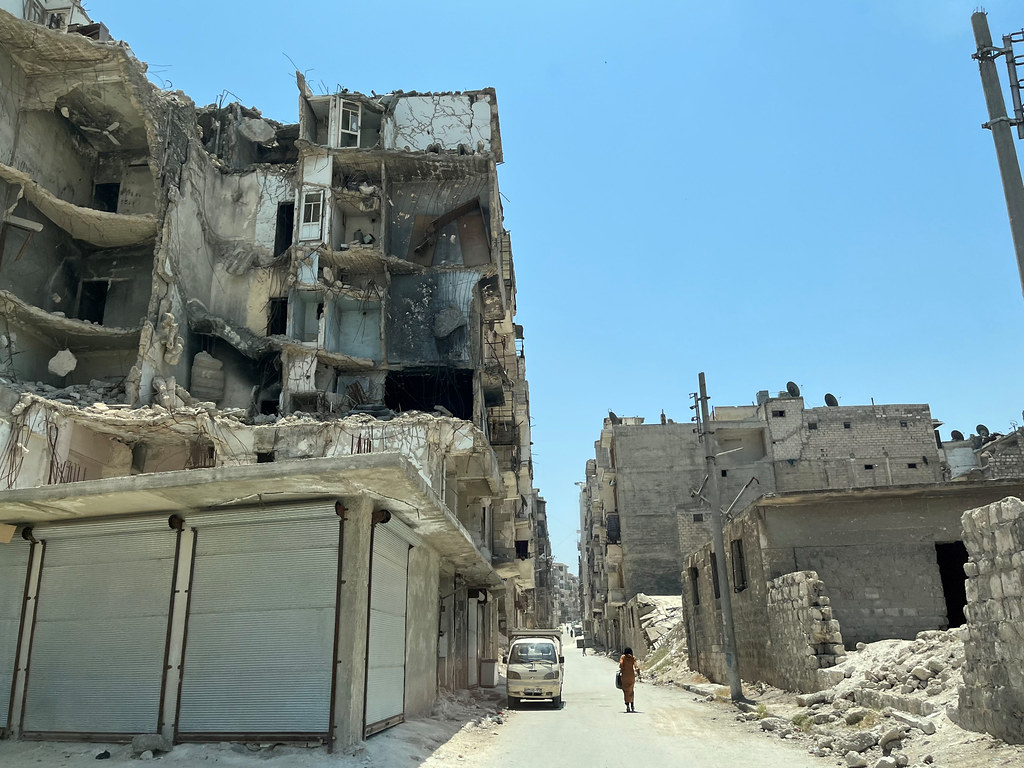
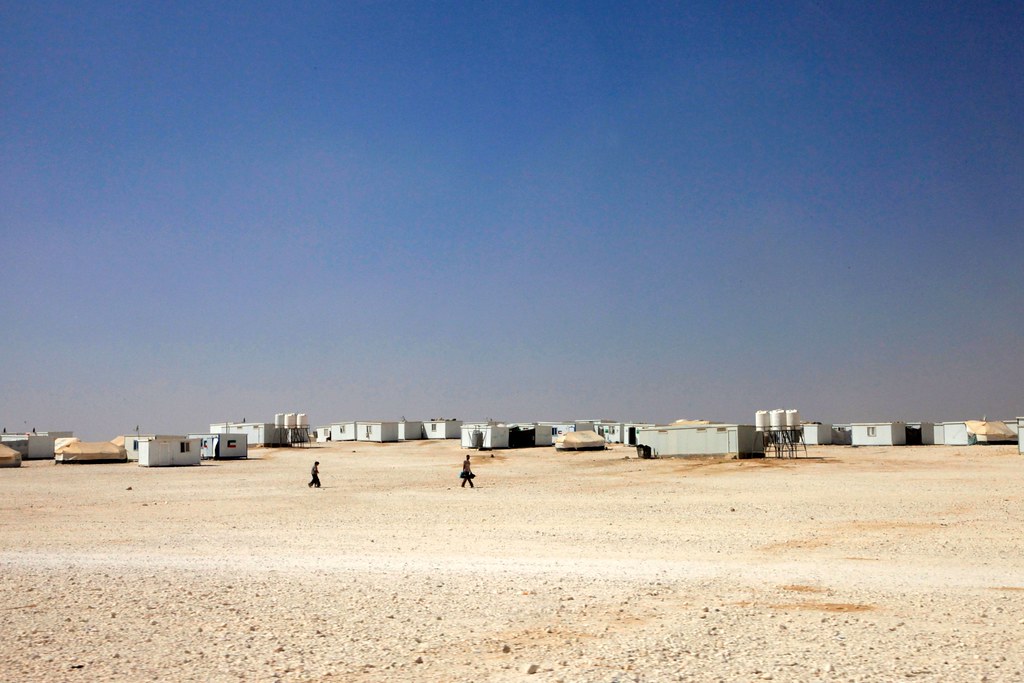
Featured image for illustration: war-damaged buildings in Aleppo, Syria (not Gaza), credit: EU Civil Protection and Humanitarian Aid / Flickr (CC BY 2.0). In-content image: Zaatari refugee camp, Jordan, credit: DFID – UK Department for International Development / Flickr (CC BY 2.0).
Verification your users actually receive.
Send one-time passcodes over WhatsApp with a single API call. Replio can generate, hash and verify the code for you.
