
Meet someone near you.
Live video chat with people nearby. One tap, free to start.

IBM reported its IBM Q3 2026 earnings on October 21, beating profit expectations and raising its full-year revenue outlook. The company said it now expects 4% to 5% revenue growth for 2026. That outlook is carried by strength in its software division and renewed demand for its IBM Z mainframe line. The results, filed with the SEC the same day, mark one of the stronger quarters in IBM’s multi-year turnaround effort.
What drove the IBM Q3 2026 earnings beat
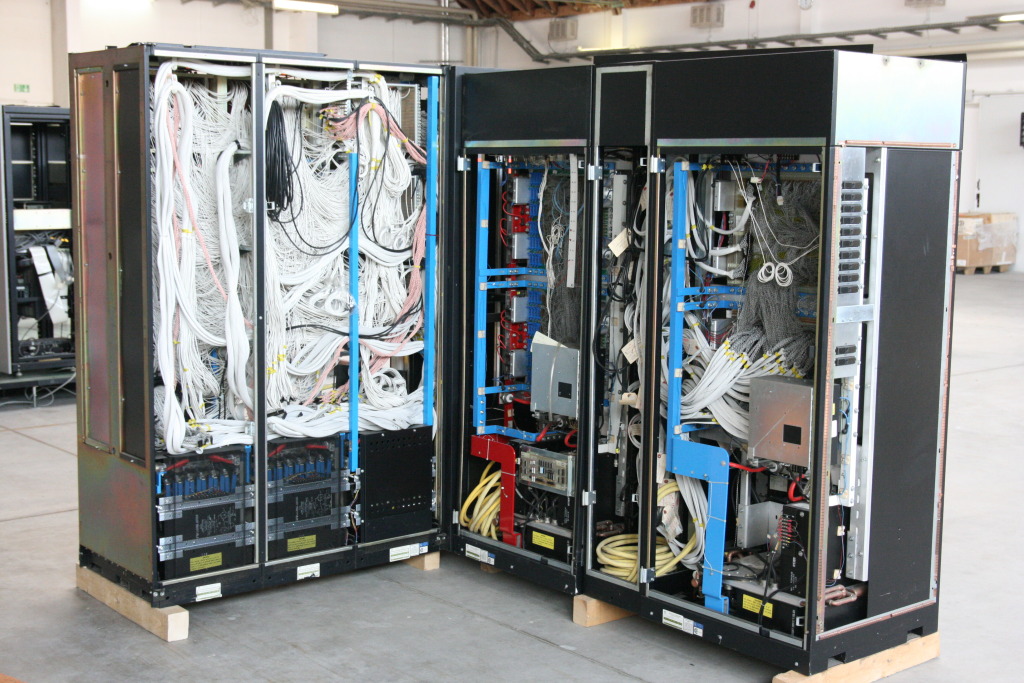
Two businesses did most of the work. Software revenue grew on continued enterprise adoption of IBM’s AI and automation tools. At the same time, the IBM Z mainframe franchise saw renewed order activity. That is a notable result for a product line many analysts had written off as a legacy business in slow decline. Coverage of the results described the mainframe performance as a surprise, given Wall Street’s expectations heading into the quarter.
IBM’s raised full-year guidance signals something specific: management expects both trends to hold through the rest of 2026, not just produce a one-quarter spike. A 4% to 5% revenue growth rate would be among IBM’s strongest full-year results in years. That marks a real shift. IBM’s top line barely grew for much of the past decade before this turnaround effort began.
Analysts covering the stock pointed to the mainframe order strength as the more surprising half of the beat. Software growth had already been trending upward for several quarters. A pickup in mainframe demand, though, was not something most forecasts had priced in heading into the earnings call.
AI spending reaches IBM’s traditional businesses
The quarter illustrates a broader pattern in enterprise technology spending. AI investment is no longer confined to chipmakers and cloud providers. IBM’s software gains came largely from clients layering automation and AI tooling onto existing systems. That includes the same mainframe environments that process the bulk of global banking and insurance transactions. This gives IBM a different kind of AI exposure than companies that sell GPUs or cloud capacity directly. IBM is monetizing AI adoption inside infrastructure enterprises already depend on, rather than selling the underlying hardware itself.
Whether that pattern continues depends on two things. First, enterprise IT budgets need to hold up through the rest of the year. Second, competitors need to stay unable to offer comparable automation tools at lower cost. IBM is betting that deep integration with mainframe and legacy systems is hard to replicate quickly. That is also why a mainframe order uptick matters more for IBM’s outlook than it would for a company without that same installed base of enterprise customers.
Enterprise buyers themselves have described the appeal in similar terms during recent industry surveys. Moving AI workloads onto systems they already run, rather than standing up new infrastructure, cuts both cost and integration risk at once. IBM’s quarter suggests that argument is translating into actual contract signings, not just survey responses. That distinction matters for anyone trying to gauge whether the trend has staying power.
What happens through the rest of 2026
IBM’s next real test comes with its full-year results early next year. That is when the 4% to 5% revenue growth guidance either holds or gets revised. Investors will also watch two other things. Does software momentum broaden beyond the segments that drove this quarter? And does mainframe order strength reflect a genuine multi-year refresh cycle among large customers? Or is it a shorter-term bump tied to a handful of specific deals?
If the mainframe strength proves durable, it would mark a turning point. IBM has spent years defending that product category against predictions of terminal decline. If it fades by the next earnings cycle, though, this quarter will likely be remembered differently: a one-off boosted by AI-era enthusiasm, rather than a lasting shift in enterprise buying patterns. Either way, the next two quarterly reports should settle the question one way or the other. Until then, IBM’s own guidance remains the clearest signal of how confident management is in what this quarter showed. The company has staked much of its multi-year turnaround narrative on exactly this combination of steady software growth and a revived mainframe franchise, so a repeat performance next quarter would carry real weight with investors who have watched IBM promise a comeback before.
More enterprise tech coverage
This earnings season is proving eventful across the technology sector. See our coverage of TSMC’s Q3 2026 earnings and AI chip demand, Microsoft’s Maia 300 chip plans, and Anthropic’s Q3 2026 revenue results.
IBM earnings: frequently asked questions
- Did IBM beat earnings expectations in Q3 2026? Yes. IBM’s third-quarter results beat profit expectations and came with raised full-year revenue guidance.
- What is IBM’s new 2026 revenue guidance? IBM now expects 4% to 5% revenue growth for 2026, an increase from its prior outlook.
- What drove IBM’s strong quarter? Software revenue growth and renewed demand for the IBM Z mainframe line were the two main contributors.
- Is IBM’s mainframe business growing again? Yes. Mainframe order activity picked up in the quarter, a result commentators described as a surprise given the product line’s legacy reputation.
- How is IBM benefiting from AI spending? IBM is monetizing AI adoption through automation tools sold into existing enterprise software and mainframe environments, rather than through chip or cloud sales.
- When will IBM’s next results confirm the trend? IBM’s full-year 2026 results, expected early next year, will show whether the revised guidance held.
Sources and further reading
- Constellation Research — IBM Q3 strong, carried by AI, IBM Z mainframe. https://www.constellationr.com/insights/news/ibm-q3-strong-carried-ai-ibm-z-mainframe
- SEC — International Business Machines Corp, Form 8-K, FY2026. https://www.sec.gov/Archives/edgar/data/0000051143/000005114326000093/ibm-20261021xex991.htm
Verification your users actually receive.
Send one-time passcodes over WhatsApp with a single API call. Replio can generate, hash and verify the code for you.
