• Mon - Fri 9.00 - 19.00

Yearly Archives: 2026

S&P Global Just Bought Its Way Into Africa’s Credit Market

The S&P Global acquisition deals announced on July 28, 2026, give the ratings giant a stronger foothold in two very different growth areas. One is African credit markets. The other is data-center infrastructure intelligence. In a single announcement, S&P Global said it had agreed to acquire a majority stake in Agusto & Co, a leading Pan-African rating agency. Separately, it agreed to acquire datacenterHawk, a data-center intelligence provider.

The company reported a jump in quarterly profit alongside the announcement of both deals. That timing shows S&P Global is expanding from a position of financial strength, not necessity. Together, the acquisitions reflect two long-term bets. African credit markets are due for deeper coverage. And the global data-center buildout tied to cloud computing and AI needs better independent intelligence.

The two S&P Global acquisition deals announced in July

Both agreements were disclosed the same day, July 28, 2026, alongside S&P Global’s quarterly earnings. The company frames the two deals as complementary but separate strategic moves, not a single combined transaction. Each expands a different part of its ratings and intelligence business.
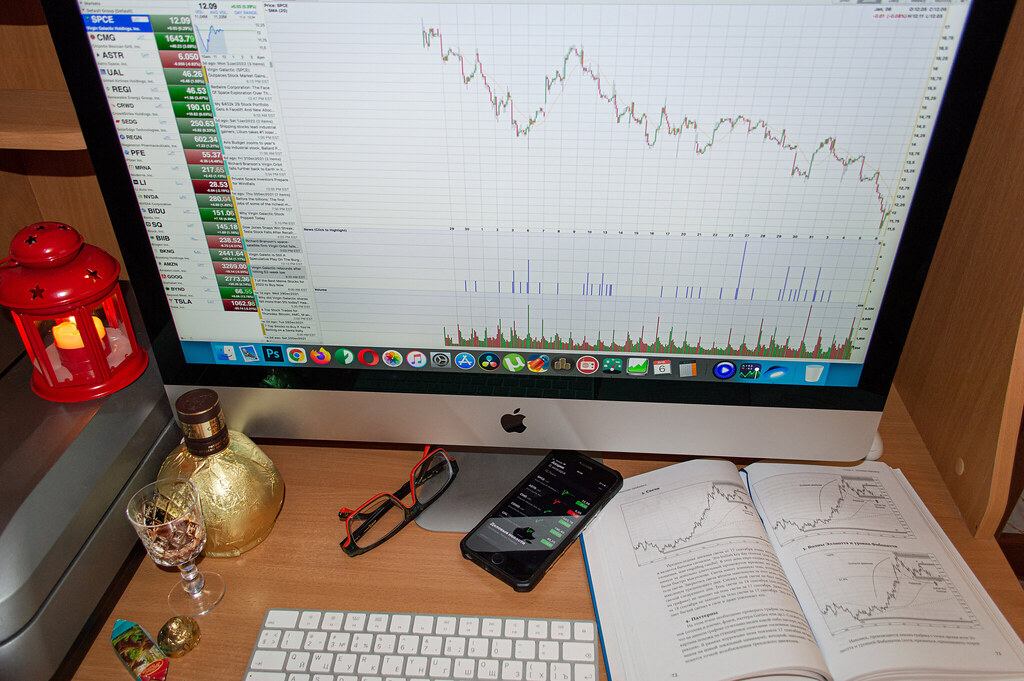
Stock market finance chart illustrating the S&P Global acquisition deals

Why Agusto & Co matters for African credit markets

Agusto & Co ranks among the most established Pan-African rating agencies, with operations spanning Nigeria, Kenya, Rwanda and Ghana. S&P Global describes the investment as a strategic step to support the growth of its Ratings segment across Africa. Local credit rating expertise carries particular weight there for governments and companies raising capital. Taking a majority stake, rather than building an in-house African ratings operation from scratch, lets S&P Global move faster. It also keeps Agusto’s existing regional relationships and expertise intact.

What datacenterHawk brings to the data-center boom

DatacenterHawk specializes in proprietary intelligence covering the global data-center, fiber-optic and related infrastructure markets. Those sectors have grown rapidly alongside the buildout of cloud computing and AI infrastructure. S&P Global said the deal will not materially affect the financial results of its Energy division. The company frames it as a targeted addition to its data and analytics capabilities, not a transformative acquisition on its own.

How the deals fit S&P Global’s growth strategy

S&P Global has spent recent years diversifying beyond its core ratings business into data, analytics and specialized intelligence products. Both the Agusto and datacenterHawk deals follow that pattern. The company buys established, focused players in markets where it wants deeper expertise, rather than building that expertise internally. Analysts have flagged the Agusto deal as part of a broader push by global ratings agencies to expand coverage of African markets, as governments and companies there increasingly seek international capital.

What happens next as regulators review the deals

Both transactions are expected to close in the second half of 2026, pending customary closing conditions, including regulatory approvals in the relevant jurisdictions. Until then, Agusto & Co and datacenterHawk continue operating independently, and S&P Global has not detailed integration plans for either business beyond the closing timeline.

Industry watchers expect the Agusto deal in particular to draw attention from rival ratings agencies also eyeing expansion into African markets, where economic growth has outpaced much of the developed world in recent years. The datacenterHawk deal, meanwhile, slots into a broader trend of financial data providers acquiring specialist infrastructure-intelligence firms as AI-driven demand for data-center capacity keeps climbing globally.

S&P Global’s Africa and data-center deals, explained

What did S&P Global acquire? A majority stake in Agusto & Co, a Pan-African rating agency, and all of datacenterHawk, a data-center intelligence firm.

When were the deals announced? Both on July 28, 2026, alongside S&P Global’s quarterly earnings.

What does Agusto & Co do? It rates credit risk for governments and companies across Nigeria, Kenya, Rwanda and Ghana.

What does datacenterHawk do? It provides intelligence on global data-center, fiber-optic and infrastructure markets.

When will the deals close? Both are expected to close in the second half of 2026, pending regulatory approval.

Will this move S&P Global’s overall numbers? The company said the datacenterHawk deal specifically is not expected to materially affect its Energy division’s results.

For related coverage, see our reporting on AI infrastructure debt in the bond markets and the Evergrande founder’s life sentence.

Sources: S&P Global press release, PR Newswire.
Apple Just Admitted Vision Pro Isn’t Working — 200 Jobs Are Gone

The Apple Vision Pro layoffs cut roughly 200 jobs in August 2026. The cuts split about evenly between the company’s Vision Pro division and its Siri and broader software teams. The move counts as one of Apple’s most visible workforce reductions in years. It lands just over a year after Vision Pro launched to heavy hype, followed by much quieter sales.

Around 100 of the cuts hit Vision Pro staff, concentrated in gaming and immersive video teams. The other 100 came from Siri and software groups. Apple has not issued a detailed public breakdown of the reasoning team by team. But the pattern of cuts points toward a deliberate pivot in where the company plans to put its engineering resources next.

What the Apple Vision Pro layoffs actually cut

The Vision Pro-side reductions concentrate on teams building games and immersive video content for the headset, not the core hardware or operating system group. That distinction matters. It suggests Apple isn’t necessarily halting Vision Pro development outright. Instead, the company appears to be scaling back investment in the content categories meant to make the headset a mainstream entertainment device.

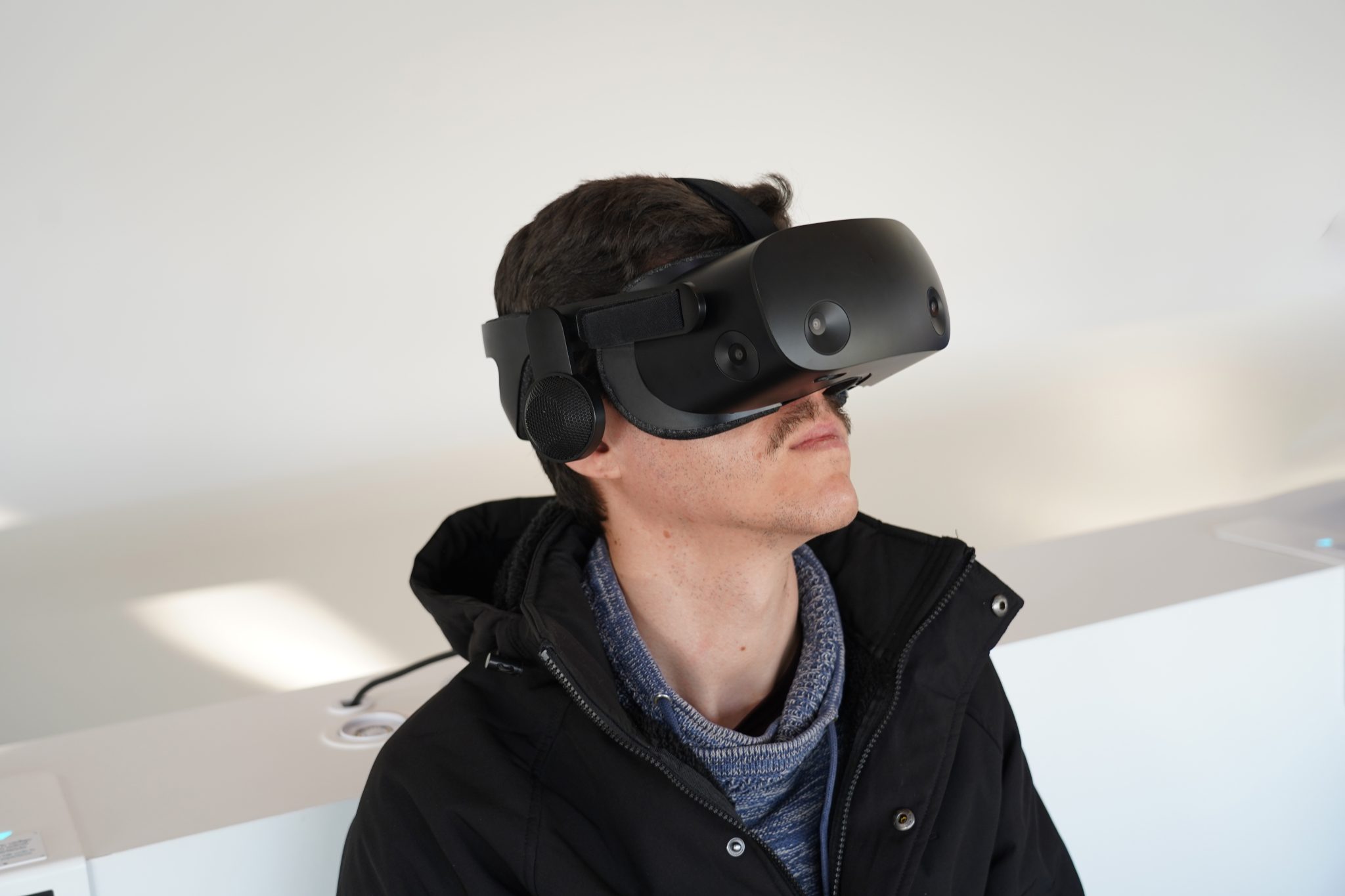
Virtual reality headset similar to Apple Vision Pro, subject of the layoffs

Why Siri’s old team is also affected

The Siri-side cuts target employees who worked on the assistant’s older architecture. Apple has been rebuilding Siri around newer generative AI models. That overhaul reportedly calls for different technical skills than the legacy voice-assistant codebase required. Workers on the older system, rather than the new AI-driven rebuild, appear to have borne the brunt of this round of cuts.

The bigger pivot: from headsets to AI glasses

Both sets of cuts point to the same underlying story. Apple is shifting resources away from Vision Pro’s original pitch as an immersive entertainment headset. Instead, the company is leaning toward lightweight, AI-powered smart glasses, alongside the generative AI rebuild of Siri. Vision Pro launched in 2025 amid enormous anticipation, but adoption has lagged well behind the hype. Apple has faced months of speculation about how committed it remains to mixed reality as a category.

How this fits Apple’s wider 2026 layoff wave

Apple’s cuts landed in the middle of a broader wave of technology-sector layoffs in August 2026. Reports of workforce reductions also hit TikTok, LinkedIn and Netflix during the same stretch. Apple rarely announces large layoffs. Cutting 200 positions across two flagship, forward-looking teams stands out even against that backdrop.

What happens next for Apple’s mixed reality bets

Apple has given no public timeline for a next-generation headset or its rumored AI glasses. The company has not said whether further Vision Pro-related cuts are coming. One thing is clear: near-term product priorities are shifting. Teams tied to Vision Pro’s original entertainment-first pitch now face a smaller role in that future than they did a year ago.

Apple is offering some affected employees internal transfers to teams working on the new Siri AI system and other active product lines, according to reporting on the cuts. Not every displaced worker is expected to find a matching role inside the company. Analysts covering Apple expect smaller, less publicized rounds of reshuffling to continue as the smart-glasses project moves from early development toward an actual product timeline.

Apple layoffs: what employees and buyers want to know

How many jobs were cut? Roughly 200, split about evenly between Vision Pro and Siri/software teams.

Which Vision Pro teams were hit? Mostly gaming and immersive video teams within the division.

Why cut Siri staff too? The cuts targeted the older Siri architecture, since the newer AI-driven Siri needs different expertise.

Is Apple discontinuing Vision Pro? No official discontinuation has been announced, but resources appear to be shifting toward AI glasses.

Is this part of a wider layoff trend? Yes, it coincided with layoffs at TikTok, LinkedIn and Netflix in the same period.

When did this happen? Reports surfaced in mid-to-late August 2026.

For related coverage, see our reporting on AI infrastructure debt and chipmakers and Nvidia’s H200 chip export rules.

Sources: TechCrunch, 9to5Mac.

Wall Street Is Watching One Speech for Clues on September Rates

The Jackson Hole economic symposium opened on August 27, 2026, in Wyoming. Investors are parsing every word for hints about where US interest rates go next. This year’s gathering, hosted by the Federal Reserve Bank of Kansas City, carries extra weight. It is the first edition under new Fed Chair Kevin Warsh, who took over the role in May 2026.

The three-day event runs through August 29. Organizers set this year’s theme as “Financial Innovation: Implications for Payments and Policy.” It brings together central bankers, academics and market economists from around the world. The symposium itself makes no policy decisions. But remarks from sitting Fed chairs have repeatedly moved bond and equity markets in the past. That history is why this year’s speeches are drawing outsized attention.

What the Jackson Hole economic symposium is

The Kansas City Fed has hosted the symposium since 1978. It has become one of the most closely watched fixtures on the global economic calendar. Central bank governors, finance ministers and leading academic economists present research there. They also hold closed-door discussions on the year’s defining monetary policy questions. In past years, symposium speeches previewed major shifts in Fed thinking well before those shifts showed up in official policy statements.

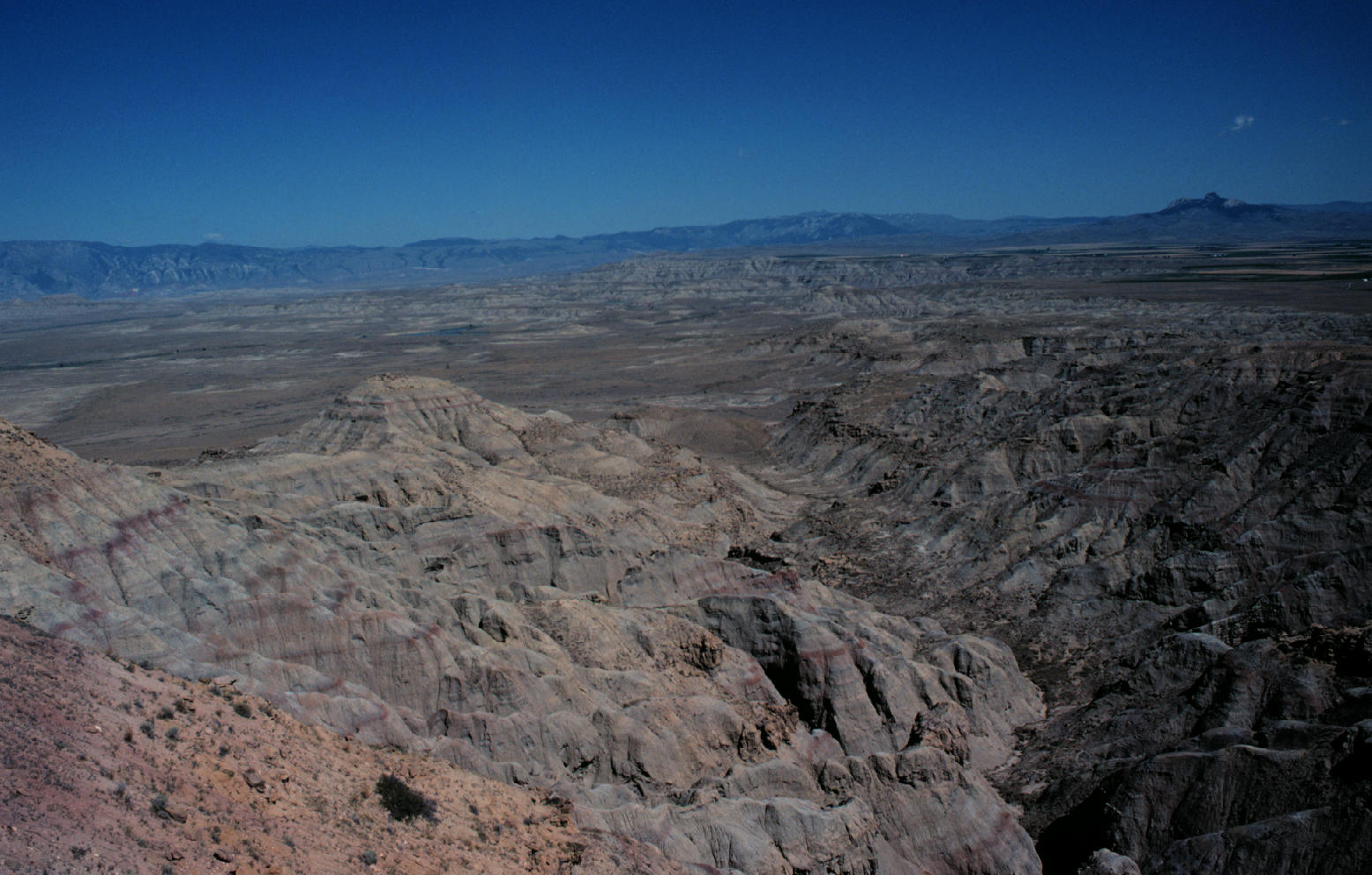
Wyoming mountain conference setting for the Jackson Hole economic symposium

A new Fed chair’s first turn at the podium

Markets are watching Kevin Warsh’s appearance at this year’s symposium closely. It gives investors a chance to get a clearer read on his approach after just a few months in the role. Warsh takes over at a moment when the Fed faces competing pressures. Inflation still runs above target in several major economies. And Fed officials disagree internally over whether the next move should be a cut, or, as some Federal Open Market Committee members argue, a further hike.

Why this year’s theme is financial innovation and payments

Organizers chose “Financial Innovation: Implications for Payments and Policy” as the 2026 theme. That choice reflects how central banks globally are grappling with faster payment rails, stablecoins and central bank digital currencies. Sessions this year cover how these innovations affect monetary policy transmission and financial stability. They sit alongside the more traditional focus on growth, employment and inflation.

What markets are pricing in for September

The Fed left its target range unchanged at 3.50% to 3.75% at its late-July meeting. Three Federal Open Market Committee members dissented in favor of a 25 basis point increase, which underscores how divided the committee is. US inflation has stayed more than a percentage point above the Fed’s 2% target for over five years. That gap keeps alive a scenario where the Fed’s next move goes up, not down. Traders are watching Jackson Hole speeches for any signal on how that debate is shifting ahead of the Fed’s mid-September meeting.

What happens next after Jackson Hole

Once the symposium wraps on August 29, attention shifts fast to incoming jobs and inflation data. That data will land before the Fed’s September meeting. Analysts expect to parse Warsh’s remarks sentence by sentence in the days after the event, much as they have done with past chairs’ Jackson Hole speeches.

Jackson Hole 2026: quick answers for investors

What is the Jackson Hole symposium? An annual Kansas City Fed-hosted conference where central bankers and economists discuss major monetary policy issues.

When is it happening this year? August 27-29, 2026, themed “Financial Innovation: Implications for Payments and Policy.”

Who is the Fed chair this year? Kevin Warsh, who became Fed chair in May 2026; this is his first Jackson Hole appearance in the role.

Did the Fed raise or cut rates in August? Neither. There was no scheduled Fed meeting in August; rates stayed at 3.50%-3.75% from the late-July decision.

Why does the market care so much about this event? Past Fed chairs have used Jackson Hole speeches to signal policy shifts ahead of the next scheduled meeting.

When is the next Fed rate decision? Mid-September 2026.

For related coverage, see our reporting on the Fed’s July rate hold and the Bank of England’s own rate decision.

Sources: Federal Reserve Bank of Kansas City, Federal Reserve Board.

Meta Agreed to Pay $17 Billion — Here’s What Teens Get

The Meta teen safety settlement closes out one of the largest legal fights the company has faced over how Facebook and Instagram treat young users. Meta agreed on August 26, 2026, to pay $17 billion. The company also agreed to a specific list of safety features. Those changes end a landmark trial brought by 47 states over teen social media addiction.

The case traces back to 2023, when 33 states sued Meta. The list included California, Virginia, Indiana, Kentucky and New Jersey. States accused Meta of knowingly building addictive features into its platforms. They said Meta kept internal research about the harm to minors out of public view. That case grew into a 47-state settlement. It covers some of the most sweeping product changes Meta has ever agreed to for teenage users.

Inside the Meta teen safety settlement

The $17 billion figure ranks among the largest settlements ever reached in a case tied to platform design. Most such cases involve a single product defect instead. Court filings describe the payment as covering direct compensation tied to the states’ claims. Some funding is earmarked for youth mental health programs. The exact allocation was still being finalized when the settlement was announced.

Courthouse steps representing the Meta teen safety settlement legal case

What 47 states accused Meta of doing

The states argued that Meta built features to maximize time spent on the platform by minors. Those features included infinite scroll, algorithmic recommendation feeds and visible engagement metrics such as like counts. The states said Meta knew about links to anxiety, poor sleep and body-image harm. Meta had previously pointed to its existing parental controls and argued that families bear responsibility for screen time. The company did not admit wrongdoing as part of the settlement.

New limits on Instagram and Facebook for under-18 users

Meta agreed to a defined package of safety measures under the deal. Users under 18 will face a default two-hour daily time limit on Instagram and Facebook. An overnight block will run from midnight to 6 a.m. Push notifications will switch off during weekday school hours. Meta also agreed to strengthen age-assurance technology to identify underage users more reliably. The company will add age-appropriate content controls for bullying and self-harm material. It will build more usable parental controls too. And it will limit features tied to social comparison, including visible like counts.

How this settlement compares to past tech accountability fights

Tech platforms have faced fines before over data privacy and antitrust issues. Design-focused cases like this one are harder to win. They hinge on proving intent behind product features, not a single rule violation. This settlement is unusually large. It also forces specific, measurable product changes rather than just a payment. Together, those two facts mark a shift in how these design-liability cases get resolved. The case follows a broader wave of litigation this year accusing major platforms of building addictive features for minors.

What happens next for enforcement

The settlement puts the burden on Meta to implement the agreed changes. State attorneys general involved in the case plan to monitor compliance. The case ended in settlement rather than a final court judgment. That means some granular technical requirements, including exact age-verification methods, will likely get worked out in follow-up filings over the coming months.

Meta settlement: the details parents are asking about

How much is Meta paying? $17 billion, to resolve claims brought by 47 states.

Which states sued Meta? The case began with 33 states in 2023, including California, Virginia, Indiana, Kentucky and New Jersey, and grew to 47 states in the final settlement.

What changes are coming to Instagram and Facebook? A default two-hour daily limit and overnight block for under-18 users, no school-hours notifications, stronger age checks, and limits on features like visible like counts.

When do these changes start? Meta is expected to roll them out on a defined schedule following the settlement; exact dates for each feature were still being finalized in late August.

Does this end all lawsuits against Meta? It resolves the state-led case that went to trial, but separate private lawsuits and claims elsewhere may continue.

Did Meta admit wrongdoing? No. The company agreed to the payment and the product changes without admitting the states’ claims.

For related coverage, see our earlier reporting on social media addiction lawsuits against Meta and Google and our piece on how small businesses use WhatsApp and Instagram.

Sources: MPR News, US News.

A Faulty AC Unit Killed 14 Newborns in One Pakistani Hospital

The Pakistan hospital nursery fire killed at least 14 newborn babies in Islamabad on August 26, 2026. An air-conditioning unit exploded inside a crowded maternity ward and set off the blaze. Flames tore through the nursery of the Mother and Child Centre at the Pakistan Institute of Medical Sciences, one of the country’s largest public hospitals, in a matter of minutes.

Officials say the fire began around 6:45 a.m. on the third floor. A compressor inside an air-conditioning unit exploded in the gynecology ward’s nursery. At least 15 newborns were in the unit at the time. Rescuers pulled only one baby out alive. The scale of the loss has triggered nationwide grief and an immediate government inquiry into how routine hospital equipment could kill so many infants so quickly.

How the Pakistan hospital nursery fire started

Hospital and district officials say the exploding compressor ignited nearby material inside the enclosed nursery space. Smoke and flames spread through the unit before staff could evacuate every infant. PIMS is a major referral hospital that serves patients from across Islamabad and the surrounding region. Its maternity and neonatal wards often run at or near capacity.

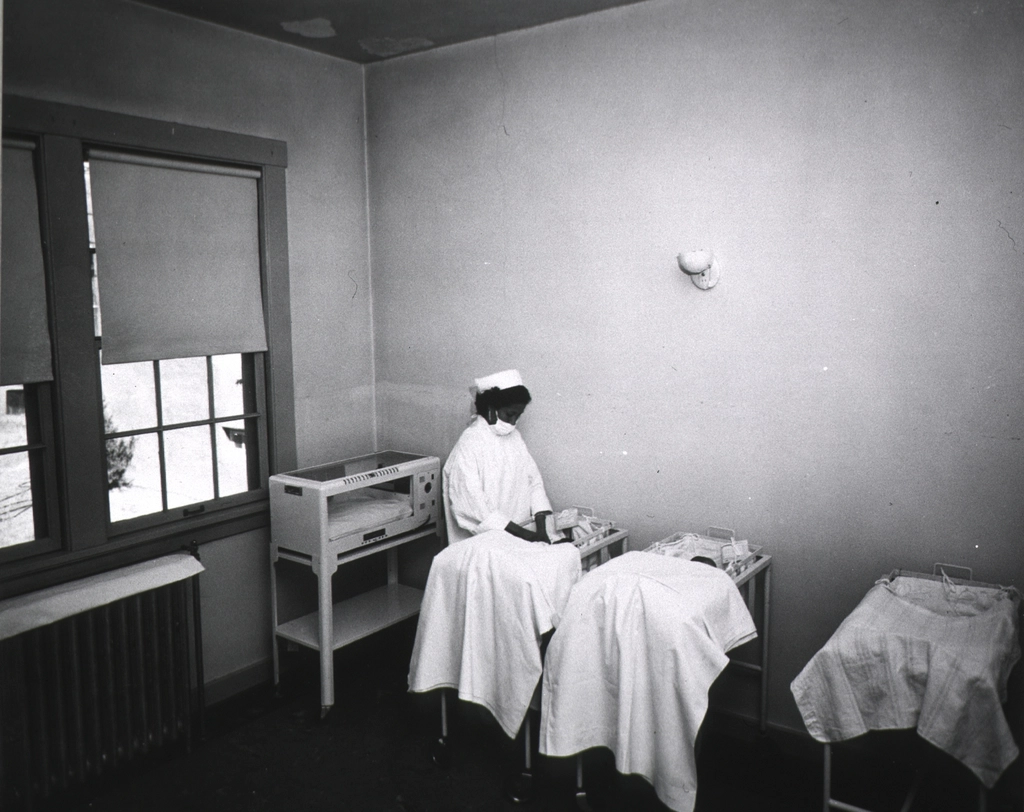
Hospital nursery ward similar to the one hit by the Pakistan hospital nursery fire

Early accounts from hospital staff and grieving relatives describe a chaotic scene. Some family members told reporters that staff locked them out of the ward during the response. That detail has added to public anger over how the emergency unfolded in the critical first minutes.

The scale of the loss at PIMS hospital

Hospital officials say the fire killed 14 of the 15 infants in the nursery at the time. Staff rescued the one surviving baby and moved the child to another part of the hospital for treatment. Newborns in a nursery ward depend entirely on staff for evacuation. That dependence is why the fire has renewed scrutiny of emergency protocols in maternity units where patients cannot move themselves to safety.

Government response and the inquiry underway

Islamabad’s district magistrate appointed a multiagency fact-finding committee within hours of the fire. The magistrate ordered the panel to submit findings within 24 hours, an unusually tight deadline meant to signal urgency. Prime Minister Shehbaz Sharif publicly voiced sorrow over the deaths and ordered an immediate investigation. The committee must establish how the fire started and spread, whether the ward’s fire-safety systems met standards, and how staff responded once the alarm sounded.

Questions about fire safety in Pakistan’s public hospitals

The fire has reopened a long-running debate in Pakistan over underinvestment in fire-safety infrastructure at public hospitals. Many of these hospitals run aging electrical and cooling systems under constant strain from high patient loads. Health workers’ unions and opposition politicians are now calling for an independent audit of fire-suppression equipment, sprinkler coverage and evacuation drills across government hospitals, not just at PIMS.

Pakistan has seen hospital fires before. This one stands out because the toll fell so heavily on newborns, which is part of why it has drawn such intense domestic and international coverage.

What happens next for the families and the investigation

The fact-finding committee’s report, once released, will likely shape two things: immediate accountability measures at PIMS and a broader review of fire-safety compliance across Pakistan’s public hospital network. Families of the newborns who died want answers about why the nursery lacked safeguards against this kind of equipment failure. Legal claims against the hospital administration look likely once the inquiry concludes.

Common questions about the Islamabad hospital fire

What caused the fire? Officials say an air-conditioning unit’s compressor exploded inside the nursery around 6:45 a.m., igniting the blaze.

How many babies died? At least 14 newborns were killed; one baby was rescued from the unit.

Where did it happen? On the third floor of the Mother and Child Centre at PIMS hospital in Islamabad.

Is there an investigation? Yes, a multiagency fact-finding committee was ordered to report within 24 hours, and the prime minister ordered an immediate inquiry.

What will the inquiry look at? The fire’s cause and spread, whether fire-safety measures were adequate, and how the emergency response was handled.

Has anyone been held responsible? Not as of August 27; the committee’s findings had not yet been made public.

For more on this week’s other major stories, read our coverage of the Nepal flash floods disaster and the measles outbreak in Pennsylvania.

Sources: NPR, Al Jazeera.