• Mon - Fri 9.00 - 19.00

Author Archives: Francisca Samuel

Author: Francisca Samuel

Francisca Samuel is an editor at Tamara News, where she covers immigration, travel, business and technology news for readers across Africa and the Gulf.

Musk and Bezos Are Skipping Macron’s Space Summit — On the White House’s Orders

A Paris space summit boycott by major American space companies is underway. The White House pressured firms including SpaceX and Blue Origin to skip a high-profile event. French President Emmanuel Macron organized the summit. It runs September 9-10. Organizers expected it to showcase European ambitions. A core goal: reducing dependence on US space companies for launches and satellite communications.

How the Paris space summit boycott came together

Yahoo News reported how the pressure campaign unfolded. The White House’s Office of Science and Technology Policy held a call about a week before the summit. It reached out to US space companies planning to attend. The message was blunt: their presence could be read as support for European policy positions the US disagrees with. Elon Musk’s SpaceX and Jeff Bezos’s Blue Origin were among the firms that pulled out. Stoke Space and Starcloud also withdrew, according to Modern Diplomacy.

What the summit was meant to showcase

The Eiffel Tower in Paris, host city of the summit at the center of the Paris space summit boycott

The event was set to feature speeches from Macron himself. European Commission President Ursula von der Leyen also planned to speak. European governments are ramping up investment in both civil and military space capabilities right now. A central theme of the summit: reducing Europe’s reliance on companies like SpaceX for satellite communications and rocket launches. The last-minute US absences may end up reinforcing that exact message, ironically.

Why the White House sees this as a policy fight

The pressure campaign reflects broader friction between Washington and European capitals. Disagreements span space policy and technology regulation more generally. Regulatory approaches to satellite communications and data remain a sore point. By discouraging attendance, the administration signaled something clear. It does not want American companies seen as endorsing Europe’s independent space strategy, even informally or by mere presence.

Germany and Italy have both signaled interest in joint European launch projects in recent months, adding momentum to the continent’s push for independence from American providers. None of those projects are expected to reach operational capacity for several years, which is part of why SpaceX and Blue Origin still dominate European commercial launch contracts today.

France’s response: more spending, not less

Macron did not scale back in response to the pressure. Instead, he used the moment to announce more spending. An additional $4.88 billion in military space spending is planned between 2026 and 2030. That brings France’s total planned military space spending to $11.85 billion. The move suggests something important. The boycott may accelerate European efforts toward space independence, rather than slow them down.

Japanese and Indian space agencies have also confirmed attendance at the Paris event, underscoring that the summit’s relevance extends beyond the transatlantic dispute. Their presence suggests the gathering will still carry weight as a venue for shaping international space policy, even without the biggest American commercial players in the room.

What happens at the summit without US companies

SpaceX, Blue Origin, Stoke Space and Starcloud will all be absent. The September 9-10 event will proceed anyway. Its lineup will skew toward European and other international space players instead. Analysts will watch two things closely. First, whether the outcome speeds up European contracts moving away from American launch providers. Second, whether other US companies face similar pressure ahead of future international space events.

The episode highlights a broader tension shaping global space policy: as more countries build independent launch and satellite capacity, Washington’s ability to informally coordinate industry behavior through companies like SpaceX may weaken over time. European officials have framed their space push as a matter of strategic autonomy rather than hostility toward the US, but the optics of a coordinated American boycott make that distinction harder to sustain publicly.

What readers are asking

What is the Paris space summit boycott?
It refers to major US space companies withdrawing from a Paris summit. The withdrawal followed direct White House pressure not to attend.

Which companies pulled out?
SpaceX, Blue Origin, Stoke Space and Starcloud all canceled their attendance.

Why did the White House object to the summit?
It said company attendance could suggest support for European policy positions the US disagrees with.

Who organized the summit?
French President Emmanuel Macron organized it. European Commission President Ursula von der Leyen planned to appear as well.

When is the summit taking place?
September 9-10, 2026, in Paris.

How did France respond to the US pressure?
Macron announced an additional $4.88 billion in military space spending through 2030. That brings France’s total to $11.85 billion.

For related coverage, see our reporting on the Roman Space Telescope launch and the EU’s new AI Act transparency rules.

Featured image: SpaceX, CC0, via Wikimedia Commons. In-content image: Benh LIEU SONG, public domain, via Wikimedia Commons.

A New Public Charge Rule Could Change Your Green Card Odds Next Week

A new public charge rule green card applicants need to know about takes effect September 18, 2026. It gives USCIS officers far more discretion. Officers can now weigh an applicant’s use of public benefits when deciding whether to approve a green card. The change rescinds a 2022 regulation that had narrowed which benefits counted against applicants. It reopens a broader test, one last used before that 2022 rule took hold.

What the public charge rule green card change actually does

The Department of Homeland Security published a final rule on July 20, 2026. It rescinds the 2022 public charge regulation. The new framework becomes effective September 18, according to Mondaq. Under the new approach, USCIS officers can consider a wider range of means-tested public benefits. That list includes food stamps, Medicaid and housing vouchers. Officers will weigh these when assessing whether an adjustment-of-status applicant is likely to become a public charge.

Which benefits count, and from when

Passport pages with stamps, relevant to the new public charge rule green card standard

Timing matters here quite a bit. USCIS issued its own policy alert explaining the split. Means-tested benefits received before September 18, 2026 still get evaluated under the older, narrower standard. That standard is largely limited to cash assistance for income maintenance and long-term institutionalization at government expense. Benefits received, applied for, or approved on or after September 18 fall under the new, broader framework instead. USCIS issued updated Policy Manual guidance on August 18, 2026. That guidance helps officers apply the change consistently across cases.

The wider factors officers can now weigh

Public benefits are not the only factor here. Officers evaluating a public charge rule green card case will also weigh an applicant’s health. Family situation matters too, along with employment history, education, skills, assets and other circumstances. All of these bear on an applicant’s ability to remain financially self-sufficient over time. This approach mirrors the broader “totality of circumstances” test used before the 2022 rule narrowed the standard.

Legal aid groups have set up hotlines to field questions from applicants confused by the transition. Immigration courts and USCIS field offices are expected to see a temporary bump in processing questions as the new standard beds in, based on patterns observed after previous major public charge policy shifts.

A new form is coming too

USCIS will publish a revised edition of Form I-485. That is the Application to Register Permanent Residence or Adjust Status. The revision reflects the new rule’s requirements. Older editions of the form will not work after a certain point. Any version postmarked or submitted electronically on or after September 18 must be the current one. Applicants filing around that date need to double-check which version they are using.

USCIS has said it will offer transitional guidance for cases already in process when the rule takes effect, though the agency has not detailed exactly how pending applications filed before September 18 will be handled during the changeover period. Applicants with cases already under review should watch for further updates directly from USCIS in the coming weeks.

What green card applicants should do before the deadline

Anyone with a pending or upcoming adjustment of status application should act now. First, confirm which version of Form I-485 is current as the rule takes effect. Second, prepare for more detailed questions about financial circumstances than the 2022 standard required. Immigration attorneys are already advising clients on this. They recommend reviewing public-benefits history now, since receipt before September 18 gets treated differently than receipt afterward.

Immigration attorneys note that the change effectively restores a standard similar to the one used for decades before 2022, meaning officers and applicants alike are returning to a more familiar, if broader, framework. Advocacy groups on both sides of the immigration debate have signaled they will watch closely how consistently USCIS field offices apply the new guidance once it takes effect, since uneven application was a criticism of similar rules in the past.

FAQ: the details that matter

When does the new public charge rule green card standard take effect?
September 18, 2026.

What benefits can now count against an applicant?
USCIS can weigh a wider range of means-tested benefits. That includes food stamps, Medicaid and housing vouchers, if received on or after September 18, 2026.

Does this rule apply retroactively to benefits received earlier?
No. Benefits received before September 18, 2026 get evaluated under the narrower prior standard.

Do I need a new form to apply for a green card?
Yes. USCIS is publishing a revised Form I-485. Older editions submitted on or after September 18 will not be accepted.

What other factors will officers consider?
Health, family situation, employment history, education, skills, assets, and other financial circumstances all factor in.

Why was the 2022 rule rescinded?
DHS published a final rule on July 20, 2026 rescinding the 2022 regulation. That returns the system to a broader discretionary standard for public charge determinations.

For related immigration policy coverage, see our reporting on the elimination of Duration of Status for student visas and the September 2026 visa bulletin retrogression.

Featured image: Don Ramey Logan, CC BY 4.0, via Wikimedia Commons. In-content image: Jon Rawlinson, CC BY 2.0, via Wikimedia Commons.

Sweden’s Election Just Got Too Close to Call

The Sweden general election race has tightened dramatically. Just over a week remains before the September 13 vote. A new poll shows the ruling right-wing coalition nearly erasing what had been a double-digit lead for the centre-left opposition. That shift makes the outcome far less predictable than it looked even a month ago.

How close the Sweden general election race has become

A new opinion poll shows Sweden’s four centre-left opposition parties holding a combined 50.3% of support. The ruling coalition sits at 47.7%. That gap is just 2.6 percentage points, within the margin of error. US News called it the smallest divide recorded in any survey published this year. As recently as mid-August, the opposition held a 10-percentage-point lead. That margin would have pointed clearly toward a change of government.

Why the gap narrowed so quickly

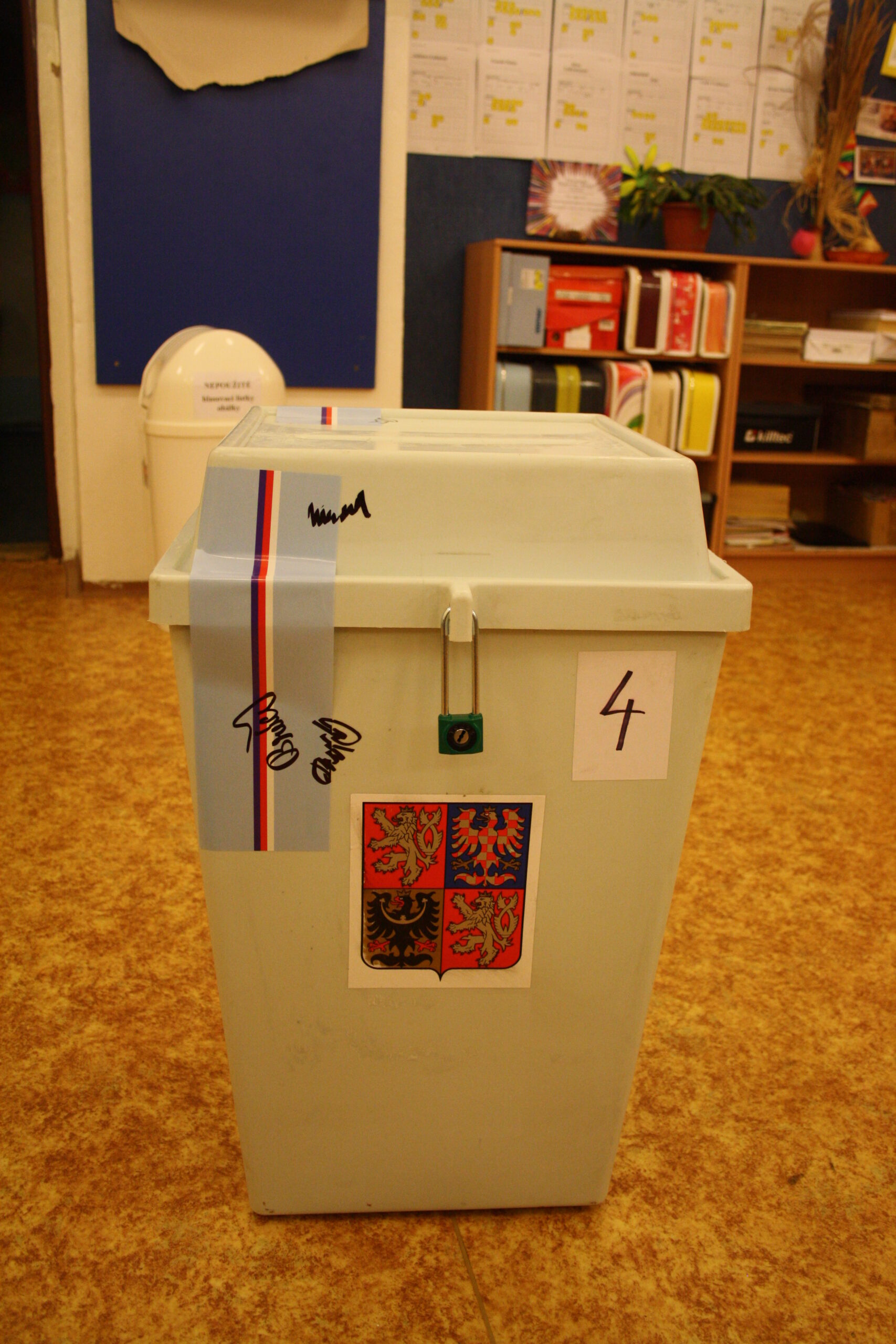
A ballot box used for voting, illustrating the close Sweden general election race

Polling shows the shift happened gradually but steadily. An August 11-23 survey put the coalition’s deficit at 6.8 percentage points. That was down from 9.5 points in June. Analysts point to a mix of factors common in tightening European races. Late-campaign momentum often favors the incumbent bloc. Enthusiasm among some opposition-leaning voters can soften as the actual vote approaches, too.

The coalition’s dependence on the Sweden Democrats

Sweden’s current minority government includes the Moderates, Christian Democrats and Liberals. It relies heavily on support from the right-wing populist Sweden Democrats to govern at all. In March 2026, the Liberals and the Sweden Democrats struck an agreement. Observers have dubbed it “the Sweden Promise.” It would hand the Sweden Democrats cabinet positions if the Tidö coalition wins a majority. That marks a significant shift for a party that previously supported governments only from outside the cabinet.

Sweden’s electoral system uses proportional representation, meaning smaller parties can still win seats even with modest vote shares. That structure makes coalition math unusually sensitive to small shifts in support, so a swing of even one or two points between now and election day could determine which bloc has enough partners to govern.

What a tightening race means for the vote itself

A margin this narrow raises the odds of genuine uncertainty on election night. Either bloc could plausibly form the next government. Turnout and undecided voters in the final days will likely decide it. A close result also raises the stakes around coalition negotiations afterward. Neither bloc looks likely to win a commanding majority outright at this point.

International observers, including delegations from other Nordic countries, are expected to monitor the vote given its potential to reshape regional alliances on migration and defense policy. A change of government in Stockholm would mark the first shift in Sweden’s ruling bloc in several election cycles.

What to watch before September 13

The final stretch of the Sweden general election race will likely bring more polling. New numbers could confirm the recent narrowing, or reverse it entirely. Whichever bloc ends up ahead, the closeness of the contest matters beyond the vote count itself. Post-election coalition talks are likely to be just as consequential. Much will hinge on whether the Sweden Democrats formally enter government for the first time in the party’s history.

Immigration policy, energy costs and law-and-order concerns have all featured heavily in this year’s campaign, echoing themes that have shaped elections across the Nordic region in recent years. Turnout in Swedish general elections typically runs above 80%, meaning the final result will hinge less on who shows up and more on how a relatively small share of undecided voters break in the campaign’s last days.

Quick answers to key questions

When is Sweden’s general election?
Sweden holds its general election on September 13, 2026.

How close is the Sweden general election race right now?
A recent poll put the centre-left opposition at 50.3% and the ruling coalition at 47.7%. That gap of 2.6 points sits within the margin of error.

Who is in Sweden’s current governing coalition?
The Moderates, Christian Democrats and Liberals govern as a minority. They rely on support from the Sweden Democrats.

What is “the Sweden Promise”?
It’s a March 2026 agreement between the Liberals and Sweden Democrats. It would give the Sweden Democrats cabinet positions if the coalition wins a majority.

How large was the opposition’s lead before it narrowed?
The centre-left opposition held roughly a 10-percentage-point lead as recently as mid-August.

Could either bloc win a majority outright?
Current polling suggests a close contest. That makes a clear majority for either side uncertain, with coalition talks likely afterward.

For more on elections and political shifts this year, see our coverage of Morocco’s general election and the opposition crackdown in Zambia.

Featured image: ArildV, CC BY-SA 4.0, via Wikimedia Commons. In-content image: Jiří Sedláček, CC BY-SA 3.0, via Wikimedia Commons.

A Hot Jobs Report Just Rattled Wall Street’s Rate-Cut Hopes

A stronger-than-expected August jobs report just pushed jobs report rate hike odds sharply higher. Wall Street fell on the news. Traders had to recalculate the chances of a Federal Reserve rate increase instead of a cut. Nonfarm payrolls rose by 162,000 in August. Economists polled by Dow Jones had expected only 53,000. Unemployment held steady at 4.1%.

Why the jobs report rate hike odds jumped so fast

CNBC reported the market reaction in detail. The surprise strength in hiring reignited a specific worry. Investors fear the labor market is running too hot for the Fed to comfortably cut rates. The Dow Jones Industrial Average fell 271.86 points, or 0.51%, to 53,414.25. The S&P 500 slid 0.38% to 7,718.60. The Nasdaq Composite dropped 0.29% to 26,506.99. Investors were pricing in a tougher path for monetary policy across the board.

What traders are now pricing in for the Fed’s September meeting

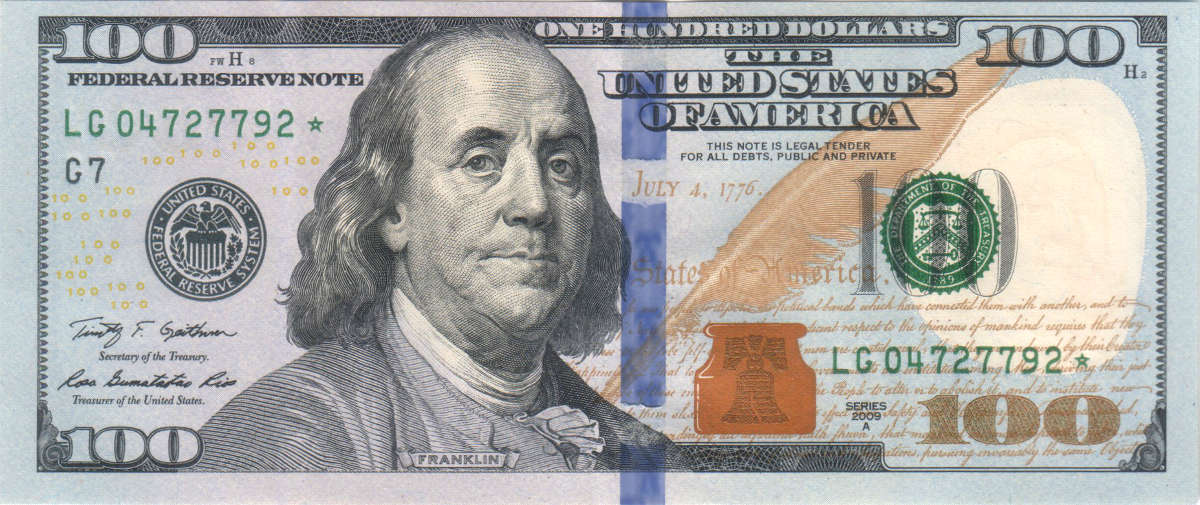
US Federal Reserve $100 note, tied to jobs report rate hike odds and Fed policy

Traders raised the odds fast. The implied probability of a 25-basis-point rate increase at the Fed’s September 15-16 meeting jumped to about 65%. That is up from roughly 55% before the report, based on CME Group’s FedWatch tool data cited by Reuters. This marks a real shift. Just weeks earlier, markets had leaned toward a possible rate cut rather than a hike. Now the mood has flipped.

The inflation data that could still change the picture

Ellen Zentner is chief economic strategist at Morgan Stanley Wealth Management. She cautioned that the jobs numbers are not the final word. “An upside surprise in payrolls will likely ramp up concerns about a rate hike, but that outcome is in the hands of next week’s inflation numbers,” Zentner said. Kiplinger quoted her directly. “If those come in cooler than expected, the Fed will likely feel comfortable discounting potentially inflationary signals coming out of the labor market.”

Bond markets moved alongside stocks on the news. The yield on the 10-year Treasury note ticked higher as investors priced in a tighter policy path. Higher yields tend to raise borrowing costs across the economy, from mortgages to corporate debt, which is part of why equity investors reacted negatively to a report that, on its face, signaled a healthy labor market.

How this compares with other central banks’ recent decisions

The Fed is not alone in wrestling with sticky inflation. The European Central Bank and the Bank of England have each held or adjusted rates in recent months. Both are balancing growth concerns against price pressures. A hawkish surprise from the Fed would put the US somewhat at odds with that trend. Most major central banks are holding steady or preparing to ease, at least for now. A US hike would stand out against that global backdrop.

Retail and manufacturing data due later this month will add further texture to the picture the Fed is weighing. A soft retail number could ease hiking pressure even if inflation comes in slightly warm, since policymakers weigh the full run of incoming data rather than any single report in isolation.

What happens between now and the Fed’s decision

The next major data point is the August inflation report. It arrives before the Fed’s September 15-16 meeting. That report is likely to be the deciding factor. It will determine whether the central bank raises rates, holds steady, or opens the door to a later cut. Markets are expected to stay volatile in the run-up. Every economic release between now and then will get scrutinized for its effect on rate-hike odds.

Wage growth figures released alongside the payrolls number offered a mixed picture, with hourly earnings rising modestly but not dramatically. That detail matters because it feeds directly into the Fed’s broader inflation calculus. A jobs market that adds workers quickly without pushing wages sharply higher gives policymakers more room to maneuver than a report showing both metrics running hot at once.

Common questions, answered

What drove the jump in jobs report rate hike odds?
August nonfarm payrolls rose 162,000. That was far more than the 53,000 expected. Traders responded by raising the odds of a Fed rate increase.

How did stocks react to the report?
The Dow fell 271.86 points. The S&P 500 dropped 0.38%. The Nasdaq slid 0.29% as investors repriced rate expectations.

What are the odds of a Fed rate hike now?
Traders were pricing in roughly 65% odds of a 25-basis-point increase at the Fed’s September 15-16 meeting. That is up from about 55% before the report.

Could the Fed still avoid raising rates?
Yes. Economists say next week’s inflation data will be decisive. A cooler-than-expected reading could ease pressure for a hike.

What is the unemployment rate right now?
Unemployment held steady at 4.1% in the August report.

When does the Fed meet next?
The Federal Reserve’s next policy meeting runs September 15-16.

For more on central bank policy this year, see our coverage of the Federal Reserve’s September rate outlook and the European Central Bank’s latest rate decision.

Featured image: Carlos Delgado, CC BY-SA 3.0, via Wikimedia Commons.

Apple’s App Tracking Rules Just Landed It a $2.7 Billion UK Lawsuit

Apple is facing a new Apple UK antitrust lawsuit. The claim is worth roughly £2 billion, or about $2.7 billion. Lawyers filed it at the UK’s Competition Appeal Tribunal on September 3. Thousands of British app developers stand behind the claim. It argues that Apple built its App Tracking Transparency system to steer users a certain way. Users get nudged away from letting rival apps track them. At the same time, the system quietly favors Apple’s own advertising business.

What the Apple UK antitrust lawsuit actually alleges

Ann Pope filed the collective action. She is a former senior director at the UK’s Competition and Markets Authority. Tech Times reported the details. The suit claims Apple designed its ATT consent prompts with a bias built in. They discourage users from allowing tracking by outside developers’ apps. But Apple presents a friendlier, less discouraging version of that same choice for its own services.

App Tracking Transparency launched back in 2021 as a privacy feature. It requires apps to ask permission before tracking users across other apps and websites for advertising. Apple has always framed it as a win for user privacy. This lawsuit argues it doubled as something else too: a competitive weapon aimed at rival ad networks.

Why UK developers say they were overcharged

Smartphone home screen with apps, central to the Apple UK antitrust lawsuit over tracking prompts

PhoneArena outlined the economic argument behind the claim. By suppressing rival ad-tracking while preserving its own, Apple allegedly pushed advertising spend toward its own platform. That shift indirectly raised costs for developers. Many of those developers rely on third-party ad networks to reach users effectively. This case joins a growing list. Several UK class actions have targeted large tech platforms over App Store and advertising practices in recent years.

UK collective actions of this size rarely move quickly. The £1.8 billion App Store case against Apple, filed earlier, took years just to reach a certification hearing. Legal analysts expect a similar timeline here, meaning any payout to developers is unlikely before 2028 at the earliest, even if the tribunal ultimately rules against Apple.

Apple’s likely defense

Apple has consistently defended ATT on privacy grounds rather than competition grounds. The company argues it applies the same consent requirement to every app, including its own. Apple has not yet filed a detailed public response to this specific claim. Previous UK App Store lawsuits against Apple offer a clue about timelines. Those cases have taken years to reach trial or settlement.

How this fits the wider antitrust pressure on Apple

The Apple UK antitrust lawsuit lands amid a broader run of scrutiny. Regulators and courts keep circling how dominant platforms treat rivals on their own infrastructure. Apple is also fighting a separate £1.8 billion UK App Store lawsuit right now. Regulators in the EU and US have opened their own inquiries into similar platform-dominance questions. Together, these cases suggest Apple’s app ecosystem will stay under legal pressure for years, not months.

What happens next in the case

The Competition Appeal Tribunal must first certify the case as a valid collective action. Only then can it proceed to a full hearing on the merits. Similar UK tech cases have taken a year or more to reach that stage. Apple is expected to contest two things: the size of the claimed damages, and the underlying allegation of anticompetitive intent. Developers named in the action will not see a payout unless the tribunal certifies the class. A ruling against Apple, or a negotiated settlement, would also need to happen first.

The case also lands at a moment when regulators are paying closer attention to how much control Apple exerts over discovery and monetization inside its own ecosystem. Developers have long complained that Apple’s rules leave them with few alternatives, since iPhone users can only install apps through channels Apple controls or approves. A ruling against Apple in this case could set a precedent that shapes how privacy features are designed across the wider industry, not just at Apple.

FAQ: what you need to know

What is the Apple UK antitrust lawsuit about?
It alleges Apple designed its App Tracking Transparency prompts to discourage tracking by rival apps. Meanwhile, the system favored Apple’s own advertising business. UK app developers filed the claim.

How much money is being claimed?
The claim is valued at roughly £2 billion. That equals about $2.7 billion.

Who filed the case?
Ann Pope filed it. She is a former senior director at the UK Competition and Markets Authority. Thousands of UK app developers back the claim.

What is App Tracking Transparency?
It is an Apple privacy feature launched in 2021. It requires apps to ask permission before tracking users across other apps for advertising.

Has Apple responded to the lawsuit?
Apple has not issued a detailed public response to this specific claim yet. Historically, Apple defends ATT as a privacy measure applied equally to every app.

Is this Apple’s only UK antitrust case?
No. Apple separately contests a £1.8 billion UK App Store lawsuit. Together they form a wider pattern of tech antitrust litigation in the UK.

For related coverage of tech platform accountability, see our reporting on the FTC’s case against Amazon over advertiser overcharging and the EU AI Act’s new transparency rules.

Featured image: Casper Moller, CC BY 2.0, via Wikimedia Commons.