• Mon - Fri 9.00 - 19.00

Category Archives: Visa Updates

US Public Charge Rule: What 18 September Means for Your Green Card

The US public charge rule changed for green card applicants on 18 September 2026. The 2022 rule was rescinded from that date, and USCIS guidance now applies to any Form I-485 postmarked or filed online on or after it. Officers can weigh a wider range of benefits than before. This guide explains what changed, who is covered and what the bond process looks like.

Jump to

What the US public charge rule changed on 18 September

USCIS released updated Policy Manual guidance on 18 August 2026, as summarised by Visaserve. The guidance follows the rescission of the 2022 rule. The new approach covers adjustment-of-status filings made on or after 18 September 2026.

What officers weigh in a public charge decision

Officers look at five statutory factors: age, health, family status, assets and financial resources, and education and skills. They may also consider a completed Form I-864 and other relevant evidence. One rule is firm. According to Visaserve, no single factor automatically disqualifies an applicant, except failing to provide a required Affidavit of Support.
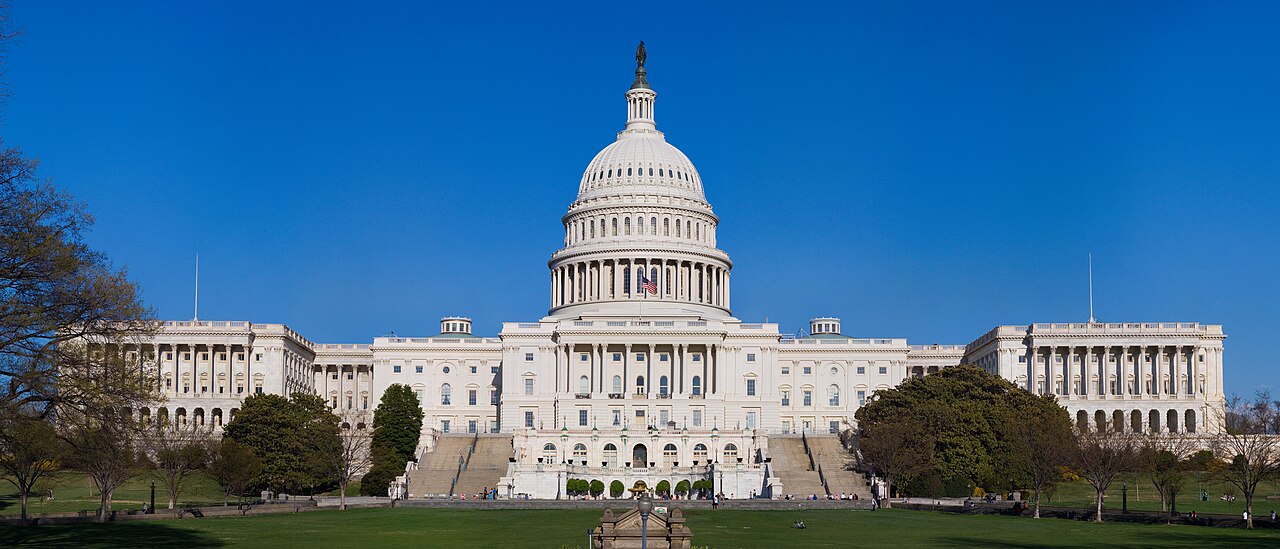
The US Capitol, where public charge law is set, shown for the US public charge rule explainer
The rule applies to many family and employment green card filings.

Which benefits now count against an applicant

This is the biggest practical shift. For benefits received before 18 September 2026, officers consider only cash assistance for income maintenance and long-term institutional care at government expense. For benefits received on or after that date, officers can consider “any and all means-tested public benefits,” including housing assistance, food stamps and college financial aid, per the summary. The Grape Law firm’s October update states the same split.

The Form I-945 public charge bond

If public charge is the only ground for refusal, USCIS may invite the applicant to post a bond on Form I-945. The bond amount reflects the assistance the person might realistically use over the next five years, per Visaserve. Applicants cannot offer a bond on their own. USCIS typically issues the invitation through a Notice of Intent to Deny and will reject a bond sent without one. The sources do not state a bond amount.

Who is covered and who is exempt

Most family-based and employment-based applicants are generally subject to review. Exempt groups include asylees and refugees, VAWA self-petitioners, T and U nonimmigrants, TPS applicants and diversity visa immigrants. Visaserve notes that the full exempt list is longer. A hypothetical example: Maricel, a Filipino nurse with an approved employment petition, files her I-485 in November 2026. She falls in a category the summary says is generally reviewed. Her salary, savings and work history would form her financial picture. Maricel is an illustration, not a real applicant.

What applicants should do now

Gather evidence of income, savings and employment first. Next, check whether any household member has used means-tested benefits since 18 September. Then complete the Form I-864 carefully if your category needs one. Finally, speak to an immigration attorney before you file, because eligibility turns on facts that a general article cannot assess. Related coverage includes the October 2026 Visa Bulletin and the PERM suspension for IT firms. To see which route may fit you, use our visa eligibility checker. This is general information, not legal advice.

Why a complete filing matters under the new rules

The Grape Law update reports that August 2026 USCIS guidance lets officers deny incomplete filings without first sending a Request for Evidence. That affects EB-1A and EB-2 national interest waiver cases, according to the update. The practical lesson applies to every green card category. Submit every required form and supporting document on the first filing, because an officer may not give you a second chance to fix gaps.

Public charge questions

When did the new public charge approach start?

The 2022 rule was rescinded effective 18 September 2026. The guidance applies to I-485 applications postmarked or filed online on or after that date.

Do pre-September benefits count?

Per the Visaserve summary, only cash assistance for income maintenance and long-term institutional care at government expense count for benefits received before 18 September 2026.

Can I post a bond voluntarily?

No. USCIS must invite a bond on Form I-945, usually through a Notice of Intent to Deny, and it rejects bonds sent without an invitation.

Is any single factor an automatic denial?

Only failing to provide a required Affidavit of Support, according to the summary. No other single factor automatically disqualifies an applicant.

Are refugees and asylees covered?

The summary lists asylees and refugees among generally exempt categories. It says the full exempt list is longer.

Sources

Australia Just Made It a Lot More Expensive to Visit

Australia visa application charges are rising by roughly 25% for the 2026-27 period. One of the steepest single-year increases in recent memory. The Australian government adjusts fees across most visitor, work and student visa categories.

Immigration lawyers tracking the change describe it as a significant jump rather than the routine annual adjustment applicants have become used to. The upfront cost of entering Australia is now meaningfully higher than it was just a year earlier.

How large the Australia visa application charges increase actually is

The roughly 25% rise applies broadly across Australia’s visa system. Affecting tourists, skilled workers, students and other applicants. Immigration law firms tracking the change note that this follows a pattern of near-annual fee increases in Australia. The scale this time is notably larger than recent years’ adjustments.

Australia visa application charges illustration

The timing coincides with other changes to Australia’s skilled migration settings this year. Including an updated salary threshold for employer-sponsored skilled visas. The government is recalibrating multiple parts of its immigration system at once rather than adjusting fees in isolation.

Who pays more and by how much

Because the increase applies across most visa categories. The practical effect varies depending on which visa an applicant needs. Visitor visa applicants, international students and employer-sponsored skilled workers all face higher upfront costs. The exact dollar increase depending on the specific visa subclass.

For families or employers sponsoring multiple applicants. Such as a company bringing in several skilled workers at once. The cumulative cost increase can be substantial even though each individual fee increase is proportionally the same.

Australia is not acting alone

The increase places Australia alongside New Zealand. Is also raising visa fees and its tourism levy in 2026. Japan, which raised certain visa fees fivefold earlier in the year. Immigration advisories suggest several Asia-Pacific governments are simultaneously revisiting how much of their visa processing costs should be recovered directly from applicants rather than general taxpayers.

What applicants should budget for now

Anyone planning to apply for an Australian visa in the 2026-27 period should check the current fee for their specific visa subclass directly through the Department of Home Affairs before applying. The increase is not identical across every category.

Employers sponsoring skilled workers should also factor the higher charges into recruitment budgets. Particularly alongside this year’s updated salary threshold requirements. Both changes raise the overall cost of bringing skilled staff into Australia.

Read more on Australia’s visa changes

This fee increase follows closely on our coverage ofAustralia’s updated skilled visa salary threshold and our earlier report on Australia’s student visa reform.

How this affects long-term planning

Prospective students and skilled workers weighing Australia against other destinations should treat the higher charges as part of a broader cost comparison. Alongside tuition, sponsorship obligations and the updated salary thresholds now in effect for employer-sponsored visas.

How Australia’s fee strategy compares with past years

Australia has raised visa fees most years for roughly a decade. Typically in smaller increments tied loosely to inflation. A roughly 25% jump in a single cycle breaks from that pattern. The government is using fee revenue more deliberately as a policy lever rather than simply keeping pace with rising administrative costs.

Education agents and migration lawyers have flagged the change as one more factor international students and skilled workers will weigh when comparing Australia against competing destinations such as Canada and the United Kingdom. Both of which have also adjusted their own immigration settings this year.

What this means for Australia’s international education sector

Universities and education agents that recruit international students have flagged the fee increase as one more cost students must weigh alongside tuition and living expenses. At a time when Australia is already competing harder for the same pool of applicants against Canada. The UK and other English-speaking study destinations.

Industry groups representing universities and migration agents have asked the government for clearer multi-year notice on future fee changes. Arguing that sudden, large increases make it harder for applicants and institutions to plan budgets more than a year in advance.

For now, the Department of Home Affairs has given no indication that the new charges will be phased in gradually. The full increase applies from the start of the 2026-27 period rather than ramping up over time.

Whether that approach changes once the full financial-year data comes in remains an open question worth watching for anyone with a stake in Australia’s migration and education sectors.

Frequently Asked Questions

How much are Australia’s visa application charges rising?

Visa application charges are increasing by roughly 25% for the 2026-27 period. Affecting most visitor, work and student visa categories.

Which Australian visas are affected by the fee increase?

The increase applies broadly, including visitor visas, student visas and employer-sponsored skilled worker visas. The exact dollar amount varies by subclass.

Is this connected to Australia’s new skilled visa salary threshold?

They are separate changes announced around the same time. Both raising the overall cost and requirements for skilled migration to Australia in 2026-27.

Are other countries raising visa fees too?

Yes. New Zealand is raising visa fees and its tourism levy in 2026. Japan raised certain visa fees fivefold earlier in the year.

Where can I check the exact new fee for my visa?

Australia’s Department of Home Affairs publishes current visa application charges by subclass. Applicants should check there directly before applying.

Sources

Planning a New Zealand Trip? Your Visa Just Got More Expensive

New Zealand visa fees 2026 are rising across most visitor and work categories this year. Alongside an increase to the International Visitor Conservation and Tourism Levy. Immigration New Zealand adjusts its service charges for the first time in several years.

The increases apply to visa application charges rather than the visa rules themselves. Eligibility requirements are largely unchanged. The upfront cost of visiting, working or studying in New Zealand is climbing for most applicants.

What is actually changing with New Zealand visa fees 2026

Immigration New Zealand has raised visa application service fees across visitor, work and other categories. Part of a broader government push to have visa processing better cover its own administrative costs rather than relying on general taxpayer funding. The exact increase varies by visa type. Advisories tracking the change describe it as a meaningful jump rather than a token adjustment.

New Zealand visa fees 2026 illustration

Separately, the International Visitor Conservation and Tourism Levy. A charge most visa-exempt and visa-required visitors pay on top of their visa fee, is also increasing. The levy funds conservation and tourism infrastructure and is a cost nearly every international visitor to New Zealand now factors into their trip budget.

Who is affected and when

The changes apply broadly across New Zealand’s visitor and work visa categories. Tourists, visiting workers and other temporary entrants will generally pay more than they would have a year earlier. Immigration advisories recommend checking the exact fee for a specific visa category directly with Immigration New Zealand before applying. Increases are not uniform across every visa type.

New Zealand’s move follows a broader regional pattern this year. Australia raised its own visa application charges by roughly 25% for 2026-27. Japan increased certain visa fees fivefold earlier in 2026. Pacific-region governments are simultaneously revisiting visa pricing.

The bigger picture for travellers to the region

Taken together with fee increases elsewhere in the Asia-Pacific region this year. The cost of visiting or working across several popular destinations has risen noticeably in 2026. Travellers planning multi-country trips through the region should budget for higher visa and entry costs than in previous years. Rather than assuming prices have stayed flat.

What applicants should check before booking

Anyone applying for a New Zealand visa should confirm the current fee and levy amount for their specific category directly through Immigration New Zealand’s official channels before submitting payment. The increases vary by visa type and may be adjusted further.

Travel agents and tour operators serving New Zealand-bound clients should also update cost estimates to reflect the new fee structure. Particularly for group bookings where small per-person increases add up quickly.

More on visa fee changes this year

See our coverage of Australia’s updated skilled visa salary thresholds and our report on Japan’s fivefold visa fee increasefor more on how fees are shifting across the region this year.

How this affects trip planning

Travellers building a multi-destination Pacific itinerary should treat visa and levy costs as a line item that has shifted meaningfully this year. Rather than assuming last year’s budget still applies. For families or groups, the levy increase in particular can add up quickly once multiplied across several travellers.

Why New Zealand is recovering more of its own costs

Immigration New Zealand’s fee increases reflect a wider government push to have visa and border services pay for themselves rather than drawing on general tax revenue. A principle several other popular destinations have cited when raising their own fees this year.

Critics of this approach argue it risks pricing out budget-conscious travellers from lower-income countries. Supporters say it ensures the cost of processing and verifying applications is borne by those actually using the system. Rather than subsidised broadly by taxpayers who may never visit.

What this looks like for a typical visitor

A solo traveller on a short visit will feel the increase mainly through a higher upfront payment before departure. A family of four or a tour group will see the levy increase multiply across every member. Making it one of the more noticeable line items in a New Zealand trip budget this year compared with previous seasons.

Those planning ahead should also watch for any further adjustments. Officials have not ruled out additional revisions once the current round of changes has been in effect for a full tourism season.

Frequently Asked Questions

Are New Zealand visa fees increasing in 2026?

Yes. Immigration New Zealand has raised application service fees across most visitor and work visa categories. Alongside an increase to the tourism levy.

What is the International Visitor Conservation and Tourism Levy?

It’s a charge most international visitors to New Zealand pay on top of their visa fee. Funding conservation and tourism infrastructure. It is also rising in 2026.

Do the fee increases change who is eligible for a visa?

No. The changes affect the cost of applying, not the underlying eligibility rules for each visa category.

Is New Zealand the only country raising visa fees this year?

No. Australia raised its visa application charges by about 25% for 2026-27 and Japan increased some visa fees fivefold earlier in 2026.

Where can I check the exact fee for my visa type?

Immigration New Zealand’s official website lists current fees by visa category. Advisories recommend checking there directly since increases are not uniform.

Sources

This New UK Rule Could Get You Turned Away at Check-In

UK ETA enforcement 2026 becomes mandatory from February 2026. When the UK will fully enforce its Electronic Travel Authorisation scheme for travellers from 85 visa-exempt countries. Anyone without a visa or an ETA will not be allowed to board a carrier bound for the UK.

The ETA has been rolling out gradually since 2023. Reports from immigration specialists describe the UK moving from a soft-launch phase. Where enforcement was inconsistent, to full carrier-level checks once the February 2026 deadline arrives.

What UK ETA enforcement 2026 actually changes

Until now, some travellers from visa-exempt countries have been able to board flights. Trains or ferries to the UK without an ETA. Checks happening unevenly at the border rather than before departure. Once full enforcement begins, airlines. Ferry operators and train services will be required to confirm a valid ETA or visa before allowing a passenger to travel at all. Shifting the check earlier in the journey.

UK ETA enforcement 2026 illustration

The scheme covers 85 nationalities that do not otherwise need a visa for short UK visits. Including much of Europe, parts of the Gulf, and several Asia-Pacific countries. Applicants pay a fee, submit basic biographic details online. Typically receive a decision within days, though the UK government recommends applying well ahead of travel.

Who needs to pay attention

Anyone planning UK travel from a covered country after the enforcement date needs a valid ETA in hand before booking transport. Not just before arrival. Immigration advisories note that this is a meaningful shift from the pre-ETA era. When visa-exempt travellers could simply show up with a passport. Travel agents and airlines are expected to build ETA checks into their booking systems ahead of the deadline.

The ETA fee itself has already risen once and immigration trackers expect further increases are likely. Consistent with a broader pattern across several countries this year of raising the cost of routine travel authorisation.

How this fits the UK’s wider border strategy

The ETA scheme is part of a broader UK push toward pre-arrival digital border checks. Mirroring similar systems the European Union has been rolling out for non-EU travellers. UK officials have framed the change as a security and border management upgrade. Screening travellers before they reach UK transport rather than only at the physical border.

What travellers should do before February

Anyone from one of the 85 covered countries travelling to the UK after the enforcement date should apply for an ETA well before booking flights. A rejected or delayed application could mean a carrier refuses boarding entirely. Checking current fees and processing times directly with UK government channels before travel is the safest approach given how recently the fee structure has changed.

Travel businesses serving UK-bound customers should also confirm their booking systems can verify ETA status. Carriers themselves will bear responsibility for enforcing the rule once it takes full effect.

Related immigration coverage

For how other countries are tightening pre-arrival travel rules, see our coverage ofthe EU’s own delayed ETIAS launch and our report on Thailand’s changed visa exemption rules.

How this compares with the EU’s own system

The UK’s approach mirrors, in broad strokes. The European Union’s own delayed rollout of pre-arrival travel authorisation for non-EU visitors. Both systems reflect a wider shift among wealthy destinations toward screening travellers digitally before departure rather than relying solely on checks at the physical border.

What the soft-launch period revealed

During the gradual rollout since 2023, immigration advisories reported inconsistent enforcement. Some travellers boarding without an ETA and facing questions only on arrival. Others encountered carrier staff who refused boarding outright. That inconsistency is exactly what full enforcement is designed to eliminate. By moving the check earlier and making it uniform across all carriers.

Industry advisories expect airlines in particular to tighten their own booking-system checks well ahead of the February deadline. Carriers themselves can face penalties for transporting passengers without valid travel authorisation once enforcement is fully in effect.

What happens at the actual check-in counter

In practice, enforcement will mean a carrier’s check-in system flags a missing or invalid ETA before a boarding pass is issued. Much as an expired passport would. Travellers who discover a problem only at the airport are unlikely to have time to resolve it before their flight. Is why advisories stress applying well in advance rather than treating the ETA as a formality to sort out later.

Frequently Asked Questions

When does the UK fully enforce its ETA scheme?

Full enforcement begins in February 2026. After which carriers must confirm a valid ETA or visa before allowing covered travellers to board.

Which nationalities need a UK ETA?

The scheme covers 85 visa-exempt nationalities who don’t otherwise need a visa for short UK visits. Spanning much of Europe, parts of the Gulf and several Asia-Pacific countries.

What happens if I don’t have an ETA after enforcement begins?

Carriers will be required to deny boarding to covered travellers without a valid ETA or visa. Rather than allowing border checks to catch the issue on arrival.

How much does a UK ETA cost?

The fee has already increased once in 2026. Immigration trackers expect further increases, so travellers should check the current fee directly before applying.

How long does a UK ETA take to process?

Decisions typically arrive within a few days of a complete online application. The UK government recommends applying well ahead of planned travel.

Sources

China Entry Ban Rules: False Visa Statements Can Now Mean 1–5 Years

China’s new Exit and Entry Administration Provisions took effect on 15 September 2026, and the China entry ban rules are the part travellers should read first. A foreign national who gives false materials or statements in a visa or port-of-entry application can now face a ban of one to five years. DLA Piper reports that the State Council issued the rules on 31 July 2026. Before, the usual result of a false statement was a visa refusal.

What this covers

How the China entry ban rules work

DLA Piper describes three triggers for foreign nationals under Article 5. The first is false information in a visa or entry application, which can bring a ban of one to five years. The second is a past criminal or administrative penalty for disrupting border administration, committing document fraud or crossing a border illegally, which can bring the same one-to-five-year ban. The third is placement on a countermeasures list, the Unreliable Entity List or the Malicious Entity List, which can lead to denial of a visa or entry.

The shift matters because of scale. A single wrong answer on a form now carries a multi-year consequence. The rules do not define a minor mistake, so applicants should treat every field as a sworn statement.

China entry ban rules apply to visitors, students and business travellers alike
The Great Wall at Badaling, one of China’s busiest visitor sites.

Exit bans on Chinese citizens

The Provisions also target Chinese citizens. According to DLA Piper, a person who commits fraud to obtain exit-entry documents, or crosses borders illegally, may face an exit ban of six months to three years after serving an administrative penalty. A person whose conduct overseas endangers national security or interests faces the same range after returning to China. Export-control and technology-transfer violations can also lead to an exit ban, with no fixed duration.

Authorities should generally tell the person in writing about the facts, reasons, legal basis and remedies. They can withhold notice where national security or a criminal case is involved. For multinational employers, the law-firm briefing at Brownstein Hyatt Farber Schreck says the rules raise the risk for staff who handle sensitive technology.

Visa agents must register

Intermediary agencies that provide immigration, visa and related services must register. New agencies have 15 days from establishment. Existing agencies have 90 days after the Provisions took effect. Foreign enterprises and institutions cannot provide these intermediary services in China, though lawfully established foreign-invested enterprises can.

The practical advice is simple. Ask any agent you hire whether it is registered, and keep your own copy of everything it submits for you. A recap from Clark Hill also notes that foreign visitors staying in private homes can register online within 24 hours. That recap gives no effective date for the online option, so confirm it with the National Immigration Administration.

What the rules leave open

The published summaries leave several questions unanswered. They do not define what counts as a false statement, and they do not say how officials will decide between an honest error and deliberate fraud. They also do not say whether a ban applies from the date of the false statement or from the date officials find it. Until China publishes guidance, travellers should assume the strictest reading.

The rules also arrive at a time when many firms send engineers and buyers to China on short notice. Short-notice trips make mistakes more likely, because staff copy answers from old forms. A five-minute review by a second person can prevent a problem that lasts years. Plan early. Check twice. Keep records.

What travellers should do before booking

Take a hypothetical Brazilian project manager, Rafael, who plans a factory visit in Shenzhen. He should answer each question on his application exactly, attach matching invitation documents, and avoid sharing a pre-filled form he has not read. If he later spots an error, he should correct it before submitting rather than hoping nobody checks. Rafael is an illustration only.

Employers should brief staff in the same way. The DLA Piper note advises companies to check that visa applications and entry declarations are truthful, accurate and complete. It also advises companies in controlled-technology sectors to remind staff about export-control rules before they travel.

If you are comparing visa-friendly destinations, see how Asia’s rules differ in our report on Thailand’s visa exemption rules and our note on Japan’s renewal fees. You can also run a quick check with our visa eligibility checker.

China rules: your questions

When did the new rules start?

The Exit and Entry Administration Provisions took effect on 15 September 2026, after the State Council issued them on 31 July 2026.

How long can an entry ban last?

For false information or past border-related penalties, DLA Piper reports a ban of one to five years.

Do the rules also affect Chinese citizens?

Yes. They allow exit bans of six months to three years for certain fraud, border and national-security offences, plus exit bans for some export-control violations.

Must visa agents register?

Yes. New agencies register within 15 days, and existing ones within 90 days after the rules took effect.

What is the safest way to apply?

Give accurate, complete answers, attach consistent documents and use a registered intermediary if you hire one.

Sources