One Country Is Blocking the EU’s Russia Sanctions — Again

The EU sanctions Russia extension due to take effect this month is stuck right now. Slovakia is blocking a push to move the renewal cycle from six months to twelve. The deadline is close: current measures expire September 15, just 12 days out. The standoff covers sanctions against more than 2,700 Russian individuals. That list includes President Vladimir Putin and Foreign Minister Sergei Lavrov.

Why the EU sanctions Russia extension is stalled

Eastern Herald reported on the standoff’s real cause. Slovak Prime Minister Robert Fico’s government is resisting the European Commission’s twelve-month plan. It is not opposing the underlying sanctions themselves. Instead, it wants compensation for economic losses tied to lost Russian gas transit revenue. A unanimity rule in the European Council makes this possible. Any single member state can block renewal under that rule. Slovakia has used that leverage repeatedly throughout this year.

Why the Commission wants a longer renewal cycle

A jetliner on an airport runway, illustrating the aviation-adjacent tensions around the EU sanctions Russia extension

The European Commission wants to move from six-month renewals to twelve-month ones. Two goals drive this push. First, cutting administrative friction across dozens of listed individuals and entities. Second, reducing the leverage individual holdouts get from frequent renewal votes. A twelve-month cycle would mean fewer chances for governments like Slovakia’s to extract concessions at each deadline. That is precisely why Bratislava is resisting the change now, rather than later.

Not the first time Slovakia has held up sanctions

This is not an isolated incident by any measure. In March 2026, both Slovakia and Hungary blocked a sanctions renewal together. They sought the removal of two Russian businessmen from the EU’s blacklist: Mikhail Fridman and Alisher Usmanov. That pattern reveals something structural. The bloc’s unanimity requirement gives individual governments recurring chances to reopen negotiations most member states consider settled.

Energy markets have watched the standoff closely, since further sanctions could affect residual Russian gas flows still moving through European pipelines. Slovakia has historically depended more heavily on Russian energy imports than most EU members, which helps explain why Bratislava keeps returning to compensation demands rather than outright opposition to sanctions.

The broader push for tougher sanctions

European Commission President Ursula von der Leyen has separately made her own vow. She wants to intensify sanctions on Russia and close loopholes used to evade existing restrictions. That statement followed an August 4 incident. Germany attributed a drone found near Leipzig/Halle Airport to Russian intelligence that day. The episode has hardened rhetoric in Brussels. Meanwhile, the more mundane fight over the renewal mechanism keeps dragging on separately.

Ukrainian officials have urged the EU to resolve the standoff quickly, warning that any lapse in sanctions enforcement, even a brief one, could be read in Moscow as a sign of fracturing Western resolve. Kyiv has no formal vote in the process but has lobbied individual EU capitals directly on the issue.

What happens if Slovakia doesn’t budge by September 15

EU officials have a fallback option if no agreement emerges before the deadline. They will likely pursue a short technical extension instead. That would avoid the sanctions lapsing outright. This pattern already played out in previous standoffs with Slovakia and Hungary. A longer-term fix to the twelve-month proposal looks unlikely for now. Bratislava’s compensation demands need addressing first. This fight is likely to resurface at the next renewal point, regardless of how the current deadline gets resolved.

Diplomats in Brussels have privately described the twelve-month proposal as a test case for whether the bloc can insulate its Russia policy from being renegotiated every few months by whichever government feels most aggrieved. Hungary has stayed quieter on this particular dispute than in past rounds, suggesting Budapest may be waiting to see how Slovakia’s gambit plays out before deciding whether to align with it or not.

Questions and answers

What is the EU sanctions Russia extension dispute about?
The EU wants to extend its sanctions renewal cycle from six months to twelve. Slovakia is blocking the change ahead of a September 15 deadline.

Why is Slovakia blocking the extension?
Slovakia is seeking compensation for economic losses linked to lost Russian gas transit revenue. It is not objecting to the sanctions themselves.

How many people are covered by the sanctions in question?
More than 2,700 Russian individuals, including President Putin and Foreign Minister Lavrov.

Has Slovakia blocked EU sanctions before?
Yes. In March 2026, Slovakia and Hungary jointly blocked a renewal. They demanded two Russian businessmen be removed from the sanctions list.

What happens if no deal is reached by September 15?
The EU would likely pursue a short technical extension. That would prevent the sanctions from lapsing while negotiations continue.

Why does one country have this much power over EU sanctions?
Individual EU sanctions require unanimous approval from all member states in the European Council. That structure gives any single government an effective veto.

For related coverage, see our reporting on Germany’s consulate closure with Russia and the Latvia import ban on Russia and Belarus.

Featured image: European Parliament from EU, CC BY 2.0, via Wikimedia Commons.

Sweden’s Election Just Got Too Close to Call

The Sweden general election race has tightened dramatically. Just over a week remains before the September 13 vote. A new poll shows the ruling right-wing coalition nearly erasing what had been a double-digit lead for the centre-left opposition. That shift makes the outcome far less predictable than it looked even a month ago.

How close the Sweden general election race has become

A new opinion poll shows Sweden’s four centre-left opposition parties holding a combined 50.3% of support. The ruling coalition sits at 47.7%. That gap is just 2.6 percentage points, within the margin of error. US News called it the smallest divide recorded in any survey published this year. As recently as mid-August, the opposition held a 10-percentage-point lead. That margin would have pointed clearly toward a change of government.

Why the gap narrowed so quickly

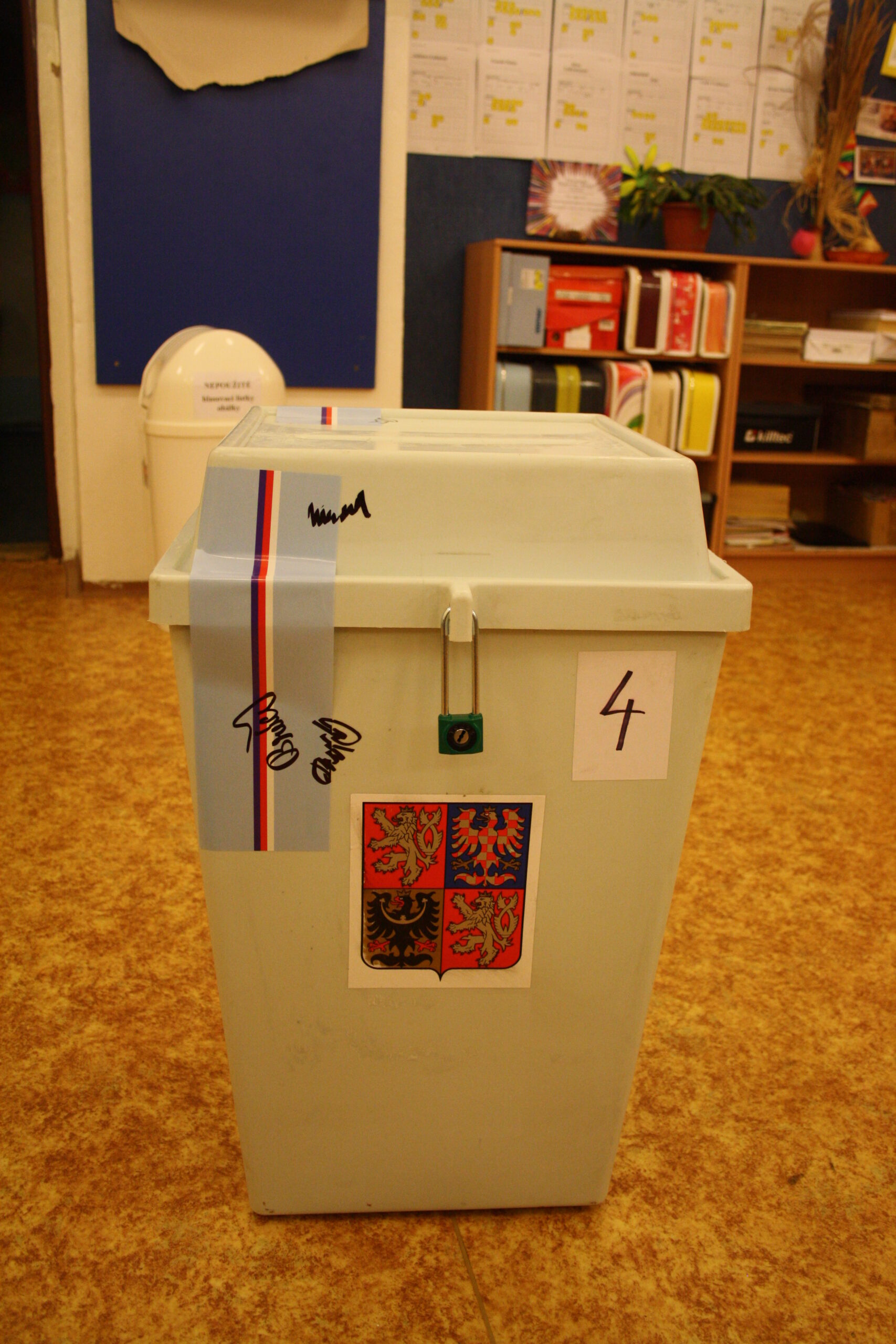
A ballot box used for voting, illustrating the close Sweden general election race

Polling shows the shift happened gradually but steadily. An August 11-23 survey put the coalition’s deficit at 6.8 percentage points. That was down from 9.5 points in June. Analysts point to a mix of factors common in tightening European races. Late-campaign momentum often favors the incumbent bloc. Enthusiasm among some opposition-leaning voters can soften as the actual vote approaches, too.

The coalition’s dependence on the Sweden Democrats

Sweden’s current minority government includes the Moderates, Christian Democrats and Liberals. It relies heavily on support from the right-wing populist Sweden Democrats to govern at all. In March 2026, the Liberals and the Sweden Democrats struck an agreement. Observers have dubbed it “the Sweden Promise.” It would hand the Sweden Democrats cabinet positions if the Tidö coalition wins a majority. That marks a significant shift for a party that previously supported governments only from outside the cabinet.

Sweden’s electoral system uses proportional representation, meaning smaller parties can still win seats even with modest vote shares. That structure makes coalition math unusually sensitive to small shifts in support, so a swing of even one or two points between now and election day could determine which bloc has enough partners to govern.

What a tightening race means for the vote itself

A margin this narrow raises the odds of genuine uncertainty on election night. Either bloc could plausibly form the next government. Turnout and undecided voters in the final days will likely decide it. A close result also raises the stakes around coalition negotiations afterward. Neither bloc looks likely to win a commanding majority outright at this point.

International observers, including delegations from other Nordic countries, are expected to monitor the vote given its potential to reshape regional alliances on migration and defense policy. A change of government in Stockholm would mark the first shift in Sweden’s ruling bloc in several election cycles.

What to watch before September 13

The final stretch of the Sweden general election race will likely bring more polling. New numbers could confirm the recent narrowing, or reverse it entirely. Whichever bloc ends up ahead, the closeness of the contest matters beyond the vote count itself. Post-election coalition talks are likely to be just as consequential. Much will hinge on whether the Sweden Democrats formally enter government for the first time in the party’s history.

Immigration policy, energy costs and law-and-order concerns have all featured heavily in this year’s campaign, echoing themes that have shaped elections across the Nordic region in recent years. Turnout in Swedish general elections typically runs above 80%, meaning the final result will hinge less on who shows up and more on how a relatively small share of undecided voters break in the campaign’s last days.

Quick answers to key questions

When is Sweden’s general election?
Sweden holds its general election on September 13, 2026.

How close is the Sweden general election race right now?
A recent poll put the centre-left opposition at 50.3% and the ruling coalition at 47.7%. That gap of 2.6 points sits within the margin of error.

Who is in Sweden’s current governing coalition?
The Moderates, Christian Democrats and Liberals govern as a minority. They rely on support from the Sweden Democrats.

What is “the Sweden Promise”?
It’s a March 2026 agreement between the Liberals and Sweden Democrats. It would give the Sweden Democrats cabinet positions if the coalition wins a majority.

How large was the opposition’s lead before it narrowed?
The centre-left opposition held roughly a 10-percentage-point lead as recently as mid-August.

Could either bloc win a majority outright?
Current polling suggests a close contest. That makes a clear majority for either side uncertain, with coalition talks likely afterward.

For more on elections and political shifts this year, see our coverage of Morocco’s general election and the opposition crackdown in Zambia.

Featured image: ArildV, CC BY-SA 4.0, via Wikimedia Commons. In-content image: Jiří Sedláček, CC BY-SA 3.0, via Wikimedia Commons.

Argentina Just Threatened Sanctions Over Oil Near the Falklands

Argentina’s government has announced new Falkland Islands oil sanctions. The move targets companies working near the disputed South Atlantic archipelago. It revives a sovereignty dispute with Britain that dates back more than four decades. President Javier Milei made the announcement on September 4. He wants a law change that allows tougher penalties. Those penalties would hit firms that service hydrocarbon exploration near the islands. The timing matters: a British-led drilling project is about to move forward.

What the Falkland Islands oil sanctions actually target

The Falkland Islands oil sanctions do not target the islands themselves. They target the companies that service offshore drilling nearby. Milei’s proposal would let Argentina penalize shipping companies, suppliers and insurers. Any firm that supports hydrocarbon exploitation in waters Buenos Aires still claims could face sanctions. Milei paired the sanctions push with a military announcement. He unveiled new funding for a naval base in Argentina’s southernmost province. That step would increase the country’s military presence near the islands.

The islands are known as the Malvinas in Argentina. Britain has administered them since 1833. Argentina and the UK fought a 74-day war over the territory in 1982. Britain won that war. Argentina has never dropped its underlying claim. Roughly 3,400 people live on the islands today, and referendums there have repeatedly shown strong support for remaining British.

Why the Sea Lion project reignited the oil dispute

Helicopter servicing an offshore platform, similar to operations covered by Falkland Islands oil sanctions

The trigger this time is Sea Lion, a deep-sea oil project. It sits about 220 kilometers north of the Falklands. British company Rockhopper Exploration and Israel’s Navitas Petroleum are developing it together. They plan to begin drilling in the coming months. First oil is targeted for 2028, according to CNN. Argentina has long objected to commercial exploitation of resources near the islands without its consent. The project’s advance toward active drilling appears to have accelerated Milei’s response now.

Trump’s comments give Milei new leverage

Milei’s escalation follows remarks from US President Donald Trump. Trump suggested Washington could revisit its long-standing position on Falklands sovereignty. That position is often called “strategic ambiguity.” It has accepted de facto British rule without formally endorsing either country’s claim. According to NPR, Milei seized on those comments quickly. He is framing the sanctions push as newly viable. His bet: a friendlier White House posture gives Argentina more room to press its case internationally.

Britain’s response to the Falkland Islands oil sanctions threat

UK Defence Secretary Wes Streeting rejected any suggestion that Britain’s position was under threat. “The Falklands are British because Falkland Islanders choose to be British,” he said. He described London’s commitment to the territory as “absolute and unshakeable.” Al Jazeera reported those remarks on September 4. British officials have made similar statements during past flare-ups in the dispute, and this one echoes that established pattern.

What comes next for the Falklands oil standoff

Milei’s sanctions plan still needs to clear Argentina’s congress. It is not yet clear how Argentina would enforce it against foreign companies operating outside its jurisdiction. Rockhopper and Navitas have given no public sign that political pressure will delay their drilling timeline. The bigger variable is Washington. If Trump’s administration follows through on reconsidering its neutral stance, that could reshape the diplomatic backdrop entirely. This is a dispute that has simmered largely unchanged since 1982. For now, both London and Buenos Aires are holding their positions. The Sea Lion project remains on track for drilling within months, regardless of the political noise around it.

Fishing and tourism remain the islands’ main industries today, alongside the hope that offshore oil could eventually diversify the economy. Argentina’s economy, meanwhile, has struggled with inflation and currency pressure for years, giving Milei a political incentive to rally nationalist sentiment around a cause with broad domestic support. Falklands sovereignty remains one of the few issues that unites Argentine politicians across the ideological spectrum, which helps explain why the topic keeps resurfacing regardless of who holds power in Buenos Aires.

Frequently asked questions

What are the new Falkland Islands oil sanctions?
They are penalties Argentina’s government wants to impose on companies that service oil and gas exploration near the Falkland Islands. The plan requires a change to Argentine law before it can take effect.

Which companies are involved in the Sea Lion oil project?
British firm Rockhopper Exploration and Israel’s Navitas Petroleum are developing the project. It sits about 220 kilometers north of the islands.

Why did Trump’s comments matter to this dispute?
Trump suggested the US could reconsider its neutral stance on Falklands sovereignty. Milei has cited that as an opening to press Argentina’s claim more forcefully.

Has the UK responded to the sanctions threat?
Yes. UK Defence Secretary Wes Streeting reaffirmed Britain’s commitment to the islands. He called it “absolute and unshakeable.”

When would Sea Lion oil actually start flowing?
Developers are targeting the start of production in 2028. Drilling itself is expected to begin within the coming months.

Is this the first clash between Argentina and the UK over the Falklands?
No. The two countries fought a war over the territory in 1982. Disputes over resource rights near the islands have recurred periodically since then.

For more on how governments are using trade and diplomatic pressure this year, see our coverage of Canada’s retaliatory tariff dispute with the US and the opening of this year’s UN General Assembly.

Featured image: European Space Agency, satellite image of the Falkland Islands. In-content image: James from Cheltenham, Gloucestershire, CC BY-SA 2.0, via Wikimedia Commons.

A UN Expert Says Zambia’s Post-Election Crackdown Is Getting Worse

The Zambia opposition crackdown has intensified in the roughly three weeks since the country’s contested presidential and parliamentary elections. A UN Human Rights Council-appointed special rapporteur issued a public statement urging Lusaka to reverse course. UN News and the Office of the High Commissioner for Human Rights both reported the warning. It describes systemic violence, mass arrests and detentions that extend beyond legally mandated limits without formal charges.

What the Zambia Opposition Crackdown Looks Like on the Ground

Security forces have arrested hundreds of opposition supporters since the election. Many were held past the timeframes Zambian law allows before charges must be filed, the UN statement said. Some detainees face what the rapporteur’s office called disproportionate or “concocted” charges. That group includes senior opposition alliance leader Brian Mundubile and his running mate Makebi Zulu, who face treason charges.

Zambian authorities have said the arrests connect to an alleged insurrection plot. Security forces reportedly seized weapons and arrested 11 people, including senior opposition figures, in a raid in the capital, Lusaka. Mundubile himself was found present at the scene, according to reporting compiled by People Daily. Tamara News has not independently verified the insurrection allegations. The government’s stated justification is reported here alongside the UN’s characterization of the crackdown as disproportionate.

The gap between the two accounts is stark. Government officials describe a security operation against an active plot. The UN’s rapporteur describes a pattern of mass detention without charge that extends well beyond anyone connected to the alleged raid. Both descriptions can be partly true at once. A genuine security concern does not, on its own, justify holding hundreds of people past legal time limits — the specific practice the rapporteur’s statement singles out.

A Pattern Beyond Individual Arrests

The rapporteur’s office also pointed to the government’s de facto cancellation of RightsCon, a summit on human rights and technology that had been expected to draw more than 5,000 attendees. Officials framed this as part of a broader pattern of closing space for civil society and independent scrutiny, not an isolated response to the election alone.

Why the Zambia Opposition Crackdown Is Drawing International Attention

UN special rapporteurs have no enforcement power. Their public statements still carry diplomatic weight, and they often precede more concrete responses from bodies like the UN Human Rights Council or individual governments considering aid conditions. The rapporteur has called for the immediate release of political detainees and protection of democratic freedoms. That framing turns the situation into a test of whether Zambia’s institutions can constrain executive power after a disputed vote.

Zambia’s situation echoes tensions playing out elsewhere on the continent this election season. Tamara News has also covered Morocco’s general election, part of a busier-than-usual African election calendar in September 2026.

What Comes Next for Zambia’s Opposition

Watch for whether the government responds to the UN rapporteur’s statement, or dismisses it as outside interference. That choice will likely shape whether the crackdown escalates or eases in the coming weeks. Mundubile and Zulu’s treason case is the one to watch most closely. How it proceeds through Zambia’s courts will be read internationally as a signal of whether due process survives a contested election, or whether it becomes a template for handling future opposition challenges. Regional bodies including the African Union and the Southern African Development Community have a track record here. Both have weighed in on post-election disputes elsewhere on the continent before. Pressure from those blocs, more than from the UN alone, has historically shifted outcomes in similar standoffs.

Neither body had issued a public statement on Zambia as of this report. Their silence so far stands in contrast to the UN rapporteur’s swift intervention. Diplomats watching the situation say regional bodies often move slower. They tend to prefer quiet pressure over public statements. That pattern could still shift if the crackdown escalates further.

Zambia’s own courts remain the most immediate venue where this plays out. Independent legal observers inside the country will be watching whether judges hearing the treason case face any political pressure of their own. A visibly fair trial process would do more to ease international concern than any diplomatic statement from Lusaka. A rushed or opaque one would likely deepen it instead, regardless of the eventual verdict. Zambia’s own bar association has historically been vocal on judicial independence issues, and its response to this specific case will be an early indicator worth watching in the weeks ahead.

UN Human Rights Council chamber addressing the Zambia opposition crackdown

A Few Common Questions

What triggered the Zambia opposition crackdown?
Zambia’s contested presidential and parliamentary elections, held roughly three weeks before the UN statement, which the opposition disputed.

Who are the main opposition figures facing charges?
Opposition alliance leader Brian Mundubile and his running mate Makebi Zulu, who face treason charges the UN rapporteur’s office described as disproportionate.

What does the Zambian government say about the arrests?
Authorities have linked the arrests to an alleged insurrection plot, saying weapons were seized and 11 people arrested in a raid in Lusaka.

What has the United Nations done in response?
A UN Human Rights Council-appointed special rapporteur issued a public statement calling for the immediate release of political detainees and an end to the crackdown.

Has any independent event been affected by the crackdown?
Yes. RightsCon, a human rights and technology summit expected to draw over 5,000 attendees, was effectively canceled by the government.

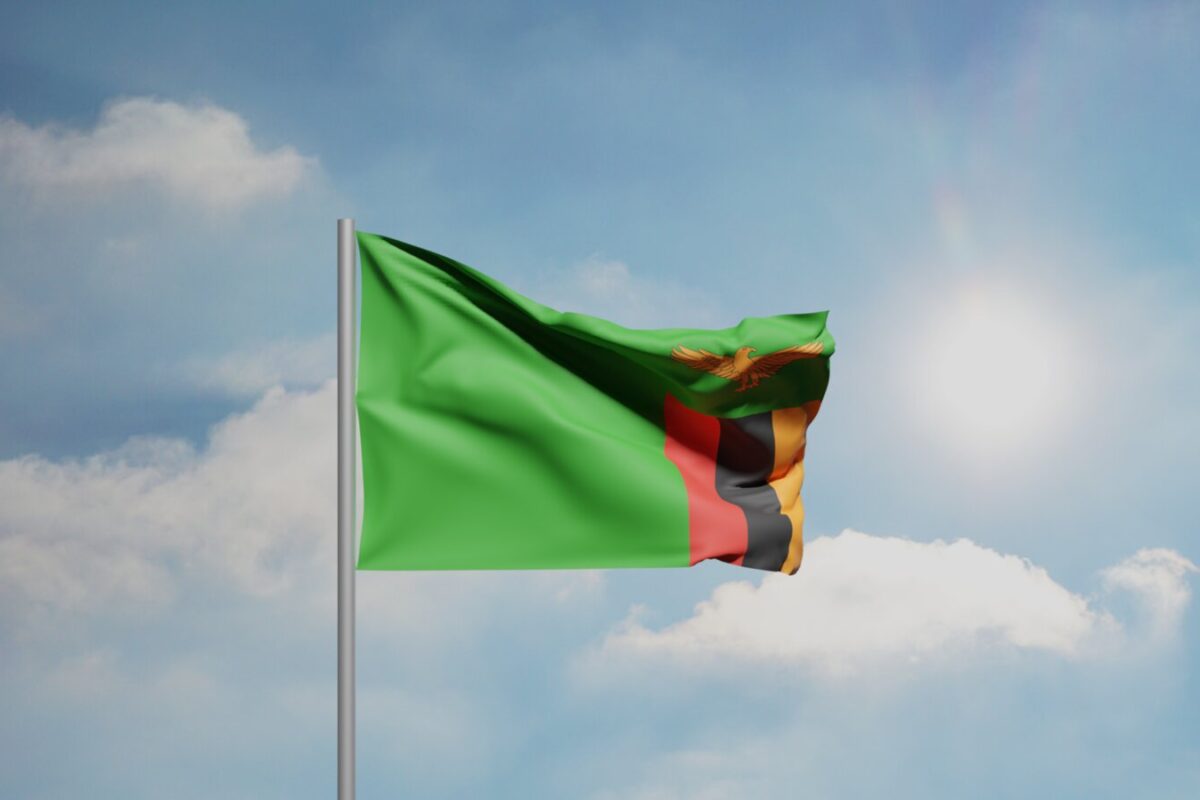
Featured image: “CGI Zambia Flag.png” by Aerra Carnicom (CC BY-SA 4.0), via Wikimedia Commons. In-content image: “UN Human Rights Council Chamber, Geneva” by U.S. Mission Geneva (CC BY 2.0), via Wikimedia Commons.

Related Guides

Xi Jinping Hadn’t Visited Egypt in a Decade. Here’s Why He Just Did

The Xi Jinping Egypt visit began on the evening of September 1, 2026. China’s president landed in Cairo for a state visit at the invitation of Egyptian President Abdel Fattah El-Sisi. It was Xi’s first trip to Egypt in ten years. The stop capped a longer swing through Central Asia. That trip also took Xi to Kyrgyzstan for the Shanghai Cooperation Organisation summit. The full itinerary ran from August 30 to September 3, 2026.

Xi and El-Sisi held formal talks on September 2. Xi visited the Grand Egyptian Museum near the pyramids of Giza during his three days in the country, according to Al Jazeera.

Why the Xi Jinping Egypt Visit Is Landing Now

The timing is not incidental. Xi’s visit comes as U.S. influence in the region has been strained by the ongoing military confrontation between the United States and Iran, which has flared again after a month-long lull. During his meeting with El-Sisi, Xi called on Middle Eastern countries to oppose external influence and to consider reshaping the region’s security order. Al Jazeera reported those remarks as a direct signal of Beijing’s ambition to position itself as an alternative security partner while Washington is preoccupied elsewhere.

ABC News described the visit as part of a broader pattern: “China seeking deeper influence across the Mideast” at a moment when traditional U.S. partners in the region are recalibrating their alliances.

Tamara News has covered the diplomatic backdrop to this moment in detail this week, including the opening of this year’s UN General Assembly session, where competing claims to global leadership are already a central theme. The Iran conflict has drawn most of Washington’s diplomatic bandwidth in recent weeks — exactly the gap Xi’s Cairo trip appears designed to exploit.

The Economic Relationship Behind the Xi Jinping Egypt Visit

China’s investment in Egypt already exceeds $10 billion. That includes stakes in Egypt’s New Administrative Capital east of Cairo and an electric rail line serving industrial zones in the Nile Delta. Egyptian exports to China nearly doubled in the first half of 2026, a trend that gives the diplomatic visit real economic weight rather than symbolic value alone.

Infrastructure financing of this kind has become China’s signature approach to expanding influence across Africa and the Middle East. Beijing trades capital and construction expertise for political goodwill and long-term economic ties, without the conditions typically attached to Western aid or loans.

Critics, including some Western officials, argue this model can leave recipient countries carrying debt tied to projects with uncertain returns. Egypt’s government has not raised that concern publicly about its own arrangements with Beijing. Nothing in the reporting around this visit suggests strain in the relationship — if anything, the near-doubling of Egyptian exports to China points the other direction.

How Egypt Is Positioned Between Two Powers

Egypt has long balanced two relationships. Washington provides significant military aid. Beijing has become an increasingly important economic partner. Hosting Xi for a rare state visit lets Cairo signal strategic flexibility. It does this without formally breaking from Washington, even while the U.S. stays consumed by the Iran conflict. Other regional governments are watching this hedging posture closely as they weigh their own positioning.

Egypt is not alone in this balancing act. Morocco’s own general election this month unfolds against a similar backdrop. Governments across the region are recalibrating alliances as global power dynamics shift. Both countries have deep, decades-old ties to Washington. Both have also deepened economic links with Beijing in recent years. That pattern is playing out across much of the region at once.

Analysts who track Chinese foreign policy note a consistent playbook. Beijing tends to lead with infrastructure and trade, then follow with security rhetoric once the economic relationship is established. Egypt fits that sequence closely. A decade of investment came first. Xi’s call for a new regional security order came only now, after the economic groundwork was already in place.

What Xi’s Visit Sets in Motion

Watch for concrete follow-through on the security framework Xi floated during talks with El-Sisi. Vague calls for a new regional order tend to either firm up into specific proposals within weeks or quietly disappear from official statements. Also worth tracking: whether Gulf states, several of which have their own extensive trade ties with China, echo Xi’s language about reduced external influence. They may instead keep their distance to avoid antagonizing Washington while the Iran conflict stays active.

Flag of Egypt, host of the Xi Jinping Egypt visit

Common Questions, Answered

When did Xi Jinping visit Egypt?
Xi arrived in Cairo on the evening of September 1, 2026, and held talks with President El-Sisi on September 2, staying three days.

Why was this visit significant?
It was Xi’s first trip to Egypt in a decade, and it came while U.S. attention and influence in the region are strained by the ongoing conflict with Iran.

What did Xi say during the visit?
He called on Middle Eastern nations to oppose external influence and consider a new regional security framework, according to Al Jazeera’s reporting on his remarks with El-Sisi.

How large is China’s economic relationship with Egypt?
Chinese investment in Egypt exceeds $10 billion, and Egyptian exports to China nearly doubled in the first half of 2026.

Did Xi visit other countries on this trip?
Yes. The same trip included a stop in Kyrgyzstan for the Shanghai Cooperation Organisation summit before Xi continued to Egypt.

Featured image: “Pyramids of Giza, Egypt – Cairo skyline in the background – panoramio.jpg” by David Broad (CC BY 3.0), via Wikimedia Commons. In-content image: “CGI Egypt Flag.png” by Aerra Carnicom (CC BY-SA 4.0), via Wikimedia Commons.