• Mon - Fri 9.00 - 19.00

Category Archives: World

A Faulty AC Unit Killed 14 Newborns in One Pakistani Hospital

The Pakistan hospital nursery fire killed at least 14 newborn babies in Islamabad on August 26, 2026. An air-conditioning unit exploded inside a crowded maternity ward and set off the blaze. Flames tore through the nursery of the Mother and Child Centre at the Pakistan Institute of Medical Sciences, one of the country’s largest public hospitals, in a matter of minutes.

Officials say the fire began around 6:45 a.m. on the third floor. A compressor inside an air-conditioning unit exploded in the gynecology ward’s nursery. At least 15 newborns were in the unit at the time. Rescuers pulled only one baby out alive. The scale of the loss has triggered nationwide grief and an immediate government inquiry into how routine hospital equipment could kill so many infants so quickly.

How the Pakistan hospital nursery fire started

Hospital and district officials say the exploding compressor ignited nearby material inside the enclosed nursery space. Smoke and flames spread through the unit before staff could evacuate every infant. PIMS is a major referral hospital that serves patients from across Islamabad and the surrounding region. Its maternity and neonatal wards often run at or near capacity.

Hospital nursery ward similar to the one hit by the Pakistan hospital nursery fire

Early accounts from hospital staff and grieving relatives describe a chaotic scene. Some family members told reporters that staff locked them out of the ward during the response. That detail has added to public anger over how the emergency unfolded in the critical first minutes.

The scale of the loss at PIMS hospital

Hospital officials say the fire killed 14 of the 15 infants in the nursery at the time. Staff rescued the one surviving baby and moved the child to another part of the hospital for treatment. Newborns in a nursery ward depend entirely on staff for evacuation. That dependence is why the fire has renewed scrutiny of emergency protocols in maternity units where patients cannot move themselves to safety.

Government response and the inquiry underway

Islamabad’s district magistrate appointed a multiagency fact-finding committee within hours of the fire. The magistrate ordered the panel to submit findings within 24 hours, an unusually tight deadline meant to signal urgency. Prime Minister Shehbaz Sharif publicly voiced sorrow over the deaths and ordered an immediate investigation. The committee must establish how the fire started and spread, whether the ward’s fire-safety systems met standards, and how staff responded once the alarm sounded.

Questions about fire safety in Pakistan’s public hospitals

The fire has reopened a long-running debate in Pakistan over underinvestment in fire-safety infrastructure at public hospitals. Many of these hospitals run aging electrical and cooling systems under constant strain from high patient loads. Health workers’ unions and opposition politicians are now calling for an independent audit of fire-suppression equipment, sprinkler coverage and evacuation drills across government hospitals, not just at PIMS.

Pakistan has seen hospital fires before. This one stands out because the toll fell so heavily on newborns, which is part of why it has drawn such intense domestic and international coverage.

What happens next for the families and the investigation

The fact-finding committee’s report, once released, will likely shape two things: immediate accountability measures at PIMS and a broader review of fire-safety compliance across Pakistan’s public hospital network. Families of the newborns who died want answers about why the nursery lacked safeguards against this kind of equipment failure. Legal claims against the hospital administration look likely once the inquiry concludes.

Common questions about the Islamabad hospital fire

What caused the fire? Officials say an air-conditioning unit’s compressor exploded inside the nursery around 6:45 a.m., igniting the blaze.

How many babies died? At least 14 newborns were killed; one baby was rescued from the unit.

Where did it happen? On the third floor of the Mother and Child Centre at PIMS hospital in Islamabad.

Is there an investigation? Yes, a multiagency fact-finding committee was ordered to report within 24 hours, and the prime minister ordered an immediate inquiry.

What will the inquiry look at? The fire’s cause and spread, whether fire-safety measures were adequate, and how the emergency response was handled.

Has anyone been held responsible? Not as of August 27; the committee’s findings had not yet been made public.

For more on this week’s other major stories, read our coverage of the Nepal flash floods disaster and the measles outbreak in Pennsylvania.

Sources: NPR, Al Jazeera.
A Himalayan River Swallowed Nine Bridges — And Hundreds of Lives

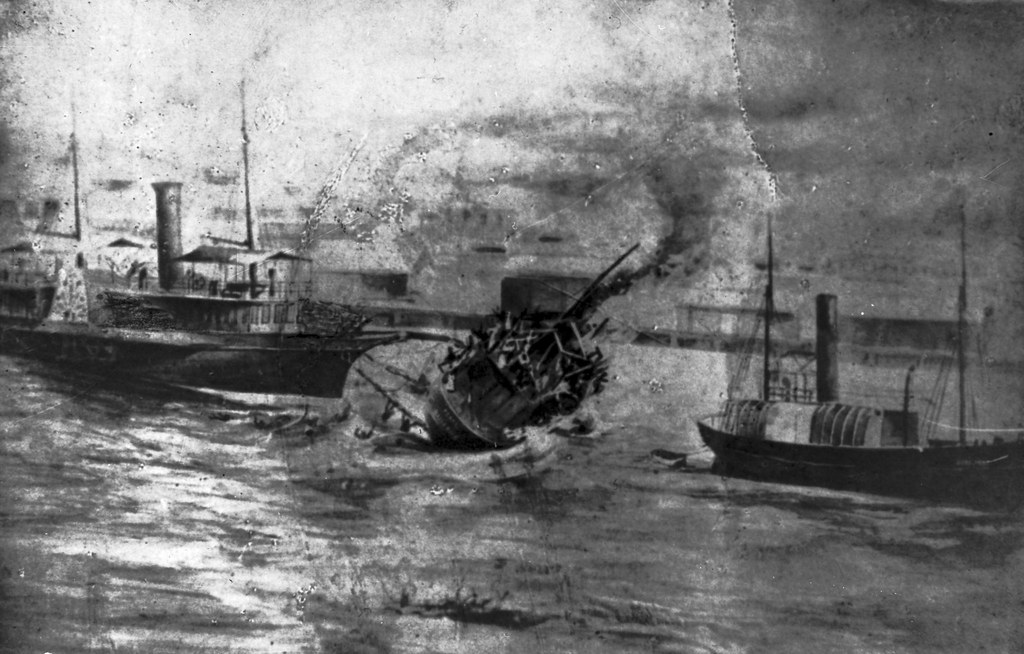
The Nepal flash floods disaster tore through the upper Trishuli River valley on the morning of August 26, 2026. Water swept through settlements in the Rasuwa and Nuwakot districts, then crossed into Tibet. Officials confirmed dozens of deaths on both sides of the border within a day. The number of missing people kept climbing as rescue teams struggled to reach the worst-hit villages.

By August 27, Nepali authorities had counted close to 100 confirmed deaths inside the country. Three more deaths were confirmed in neighboring Tibet. Several hundred more people were reported missing. The list includes foreign trekkers and mountain guides who were in the region for the peak of the secondary Himalayan trekking season. Aid workers say the toll will likely rise once crews clear flood debris and restore communications to cut-off hamlets.

What set off the Nepal flash floods disaster

Investigators suspect a glacial lake outburst or a landslide dam break on the Bhotekoshi tributary, which feeds into the Trishuli River. Heavy monsoon rain had already soaked the surrounding slopes for several days. When the natural dam gave way, a wall of water and debris raced down the narrow valley. It moved faster than local warning systems could react, catching villages, guesthouses and road crews off guard.

Rescue efforts after the Nepal flash floods disaster along a swollen river

Nepal sits in one of the most glacially active mountain ranges on Earth. Scientists who study the Himalayas have warned for years that retreating ice is creating more of these unstable glacial lakes. Nepal, Bhutan and northern India have all seen similar outburst floods more often over the past decade. Each event has its own trigger, and investigators are still confirming this one.

Confirmed deaths and a missing list that keeps growing

Nepal’s home ministry and disaster response agencies reported between 95 and 98 confirmed deaths inside the country in the first 24 hours. The Nepal Tourism Board separately released a preliminary missing-persons count of 384 people. That figure includes 291 foreign nationals and 93 Nepali citizens. Officials called the count provisional, since many communication lines in the valley remain down.

Search teams have recovered bodies several kilometers downstream from where victims were likely swept in, which complicates identification. Officials have asked families abroad to register missing relatives through their embassies rather than travel to Nepal directly. Road access into the disaster zone still relies mostly on helicopters and foot travel.

Foreign trekkers caught in the surge

August sits inside Nepal’s quieter but still active trekking window. The flooded valleys line routes travelers use toward the Rasuwagadhi border crossing with China. Consular officials from several countries, including the United States, said they were working to confirm the whereabouts of citizens known to be traveling through the area. Families of missing trekkers have turned to social media to share photos and last-known locations while they wait for official updates.

Bridges, roads and a trade route washed away

Nepal’s disaster management authority says the floodwaters destroyed nine bridges and nearly 40 kilometers of road. That destruction severed the main overland route between Kathmandu and the Rasuwagadhi border post. On the other side, the Gyirong Port crossing, a key channel for Nepal-China trade, has also taken damage. Supply lines that both countries rely on are now disrupted.

What happens next for search and rescue

Nepal’s army and armed police have sent helicopters to reach communities cut off by the collapsed roads. Chinese rescue teams are working the Tibetan side of the border. Aid groups, including UNICEF, say their immediate priority is reaching children and families stranded without supplies. Nepali officials have not given a timeline for reopening the Kathmandu-Rasuwagadhi highway or the border crossing. Rebuilding the destroyed bridges is expected to take months, not weeks.

Frequently asked questions about the Nepal flash floods disaster

What caused the flooding? Officials suspect a glacial lake outburst or a landslide dam break on a Trishuli River tributary, worsened by days of monsoon rain.

How many people have died? Nearly 100 confirmed deaths in Nepal and three in Tibet as of August 27, with officials warning the toll will likely rise.

How many people are missing? Nepal’s Tourism Board listed 384 people as missing in an initial count, including 291 foreign nationals.

Were foreign tourists affected? Yes. The flooded valley sits along a popular trekking corridor, and consular officials are working to confirm the status of foreign nationals.

Is the Nepal-China border crossing open? No. The Rasuwagadhi crossing and the Gyirong Port trade route are both disrupted after bridges and roads were destroyed.

Where can families get updates on someone missing? Nepal’s Tourism Board and home ministry are coordinating identification efforts; embassies remain the fastest point of contact for foreign nationals.

For related coverage of this month’s other emergencies, see our reporting on the deadly ambush on UN peacekeepers in South Sudan and the measles outbreak in Pennsylvania.

Sources: NPR, Al Jazeera.
Two People Just Died From Measles in Pennsylvania — the First U.S. Deaths This Year

Two unvaccinated residents of Lancaster County, Pennsylvania have died of measles. State health officials confirmed the deaths on Tuesday, August 25. Officials called them the first confirmed Pennsylvania measles outbreak deaths in 35 years, and the first measles deaths recorded anywhere in the US in 2026. Pennsylvania has now confirmed 393 measles cases. Health workers diagnosed 86 of those in just the past week. Hospitals have treated 70 people for complications. The deaths land amid the country’s worst measles year in more than three decades: the US had confirmed 2,777 cases nationwide as of August 20.

What happened in Lancaster County

Pennsylvania’s health department said both people who died were unvaccinated. Officials called the deaths the first in Pennsylvania linked to measles in 35 years. The department withheld further identifying details about the two residents, citing standard privacy practice around individual health cases.

Measles vaccine syringe, relevant to the Pennsylvania measles outbreak deaths

Inside the Pennsylvania measles outbreak deaths this week

State health officials confirmed the deaths on Tuesday. They called them the first confirmed measles-related fatalities recorded in the United States in 2026. Pennsylvania hasn’t recorded a measles death in 35 years. That makes Lancaster County’s outbreak the state’s most severe in a generation.

How the outbreak reached nearly 400 cases

Pennsylvania had confirmed 393 measles cases as of Tuesday. Health workers diagnosed 86 of those in the past week alone — a pace that suggests the outbreak is still accelerating. Hospitals have treated 70 people statewide for measles complications since the outbreak began.

The national measles picture in 2026

The Pennsylvania cluster sits inside a larger national surge. The US had confirmed 2,777 measles cases in 2026 as of August 20 — the highest annual count in 35 years. The CDC says it is “working closely with state and local health departments to strengthen response efforts, rapidly support affected communities across the state, and communicate the steps people can take to slow the spread of measles.”

Why vaccination rates matter here

Public health officials have long said outbreaks this size rarely happen in communities with high MMR vaccine coverage. Two doses of the vaccine give strong, durable protection against measles. Lancaster County’s outbreak has concentrated heavily among unvaccinated people, matching a pattern seen in several other clusters across the country this year. Officials keep urging families who are unsure of their vaccination status to check with a healthcare provider rather than wait for symptoms. Measles spreads through the air, and it can linger in a space for a period after an infected person leaves. That’s part of why health departments move fast to trace contacts once a case is confirmed.

What happens after these deaths

Pennsylvania’s health department continues to work with the CDC on containment. That includes case tracing and public messaging about vaccination. New cases keep appearing daily, and hospitalizations already stand at 70 statewide. Officials haven’t said when they expect the outbreak to peak. Case counts will likely keep climbing before any slowdown becomes visible.

How this outbreak compares with past years

Public health researchers have tracked measles case counts across the US for decades. This year’s national total, 2,777 cases as of August 20, already stands well above what health departments recorded in most recent years combined. Pennsylvania’s cluster is one of several driving that national number upward in 2026. Officials have not pointed to a single cause behind the broader surge. They consistently link outbreak size to local vaccination coverage, though. Health departments in neighboring states are watching Pennsylvania’s numbers closely. Outbreaks in one state can spread quickly to bordering communities when travel and school schedules bring people into contact. The state health department has not announced new school-based measures tied specifically to this outbreak, but officials have said they will keep monitoring case growth closely as the new school year begins.

Measles outbreak: frequently asked questions

Were the people who died vaccinated?

No. Pennsylvania health officials said both people who died of measles in Lancaster County were unvaccinated.

How many measles cases has Pennsylvania confirmed?

393 cases as of Tuesday, August 25, including 86 diagnosed in the previous week alone.

Is this the first US measles death in 2026?

Yes. State and national health officials say these are the first confirmed measles-related deaths in the United States this year.

How many measles cases has the US recorded overall in 2026?

2,777 confirmed cases nationwide as of August 20 — the highest count in 35 years.

Is measles contagious?

Yes. Public health agencies including the CDC describe measles as one of the most contagious viruses known. It spreads easily among unvaccinated people in close contact.

What is the CDC doing about the outbreak?

The CDC says it is working with Pennsylvania’s state and local health departments on response efforts and public messaging about vaccination and prevention.

What families in the outbreak area are being told

Pennsylvania’s health department has directed its outreach mainly at people in and around Lancaster County, where most cases have concentrated. Officials are encouraging anyone with an uncertain vaccination history to get checked before symptoms appear rather than after. That guidance mirrors standard CDC recommendations issued during measles outbreaks nationwide, not a new policy created specifically for this cluster. Local clinics and pharmacies in the affected area typically see a rise in vaccination requests once an outbreak draws wide public attention, a pattern health officials hope repeats here.

Related coverage on Tamara News

A NATO Ally Just Shot Down a Russian Drone Over Romania — And It Wasn’t the Host Nation

A Russian drone Romania airspace incursion turned into gunfire on the night of August 16. Radar caught the intruder at 4:44 a.m. local time. A Spanish F-18 on NATO air-policing duty shot it down about 17 minutes later, near Galați, close to the Moldovan border. NATO called this the fourth drone intercept over Romania this year. It was the first one flown by an allied jet rather than a Romanian aircraft. The incident adds one more entry to a growing list of drone incidents along NATO’s eastern edge.

Why a Russian drone Romania airspace intercept is different this time

Spain took over Romania’s NATO air-policing rotation from Britain’s Royal Air Force earlier in August. The Spanish detachment includes about 200 personnel, seven fighter jets and three helicopters. Tuesday’s shoot-down marked the first of 2026’s four intercepts flown by a rotating ally rather than a Romanian unit. NATO officials pointed to that detail as proof the alliance’s shared air-policing system works as designed.

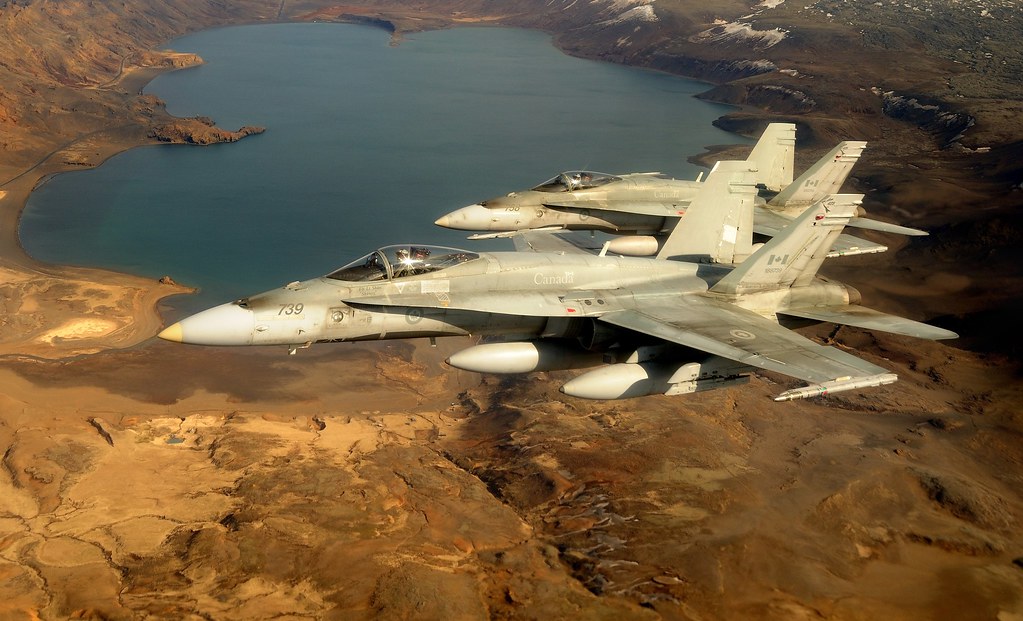
NATO fighter jet involved in a Russian drone Romania airspace intercept

What happened over Galați

Ground radar picked up the intrusion at 4:44 a.m. local time on August 16. The object had entered Romanian airspace from Moldova, about 24 kilometers north of Galați. Spanish controllers scrambled the F-18. The jet engaged and destroyed the drone within roughly 17 minutes of the first detection. NATO later said “the drone appears to be Russian” — language that signals likely origin, not absolute certainty.

How NATO’s rotating air-policing mission works

NATO built its air-policing system roughly two decades ago. It covers alliance members that lack a full fleet of fast jets. Larger air forces rotate detachments through for months at a time. These crews fly quick-reaction alert missions alongside host-nation pilots. Romania keeps its own fighters on alert too. But like other eastern-flank allies, Romania now leans more heavily on reinforced rotations. Russia’s full-scale invasion of Ukraine in 2022 pushed drone and missile activity much closer to NATO’s borders. Spain’s current deployment is one of several reinforcements now rotating through the region.

The pattern building across NATO’s eastern flank

This was the fourth confirmed drone intercept over Romanian territory in 2026. Ukraine has also stepped up long-range drone strikes on Russian territory this month. That timing underlines how tightly the war’s drone campaigns now overlap with NATO’s own airspace. Regional officials say stray war debris and deliberate probing both remain plausible explanations for individual incidents. They also say it isn’t always possible to tell the two apart in the moment. Each confirmed incident still gets treated individually by NATO investigators, since attributing a specific drone to a specific actor takes time and technical analysis that a same-day statement can’t capture.

What comes next for air policing in Romania

Spain’s rotation continues. NATO has given no sign that it plans to change the mission’s rules of engagement. Each new intercept adds pressure on allied governments to keep reinforcing eastern-flank air defenses. Tuesday’s incident did not trigger a formal Article 4 consultation or any wider alliance response beyond the shoot-down itself. Allied officials expect the current rotation schedule, including Spain’s deployment, to continue as planned unless a major escalation changes that calculus.

Why Galați sits on a sensitive stretch of border

Galați sits close to where Romania and Moldova share a border, not far from Ukraine’s own border region. That geography puts the area near some of the drone activity linked to the Ukraine war. NATO has not said whether it expects more incursions specifically near Galați, but the alliance has treated each confirmed intercept over Romania this year as part of the same broader pattern along its eastern flank. Tuesday’s episode stood out mainly because Spanish forces detected and destroyed the drone quickly, before it could travel further into Romanian territory.

Common questions about the Romania drone intercept

What is NATO air policing?

It is a standing NATO mission. Allied air forces rotate through member states that lack enough fighter jets of their own, providing round-the-clock radar coverage and interceptors.

Has this happened before in Romania in 2026?

Yes. NATO said the August 16 shoot-down was the fourth confirmed drone intercept over Romanian airspace this year.

Who flew the intercepting jet?

A Spanish Air Force F-18. It belongs to the detachment that took over Romania’s air-policing rotation from the UK’s Royal Air Force earlier in August.

Was anyone hurt?

No. The drone was destroyed after entering from Moldova near Galați, and no injuries were reported.

Does NATO know for certain the drone was Russian?

NATO described the drone as one that “appears to be Russian.” That phrasing signals likely origin, not confirmed certainty.

What happens if these intercepts keep happening?

NATO has not announced any change to the air-policing mission’s rules. But a repeated pattern of intercepts usually pushes allied governments to sustain or expand eastern-flank air-defense rotations.

NATO’s broader eastern-flank posture

Air policing is only one piece of NATO’s presence in the east. The alliance has steadily added rotating troops, air-defense systems and naval assets to eastern member states since Russia’s 2022 invasion of Ukraine. An intercept like Tuesday’s does not count as a direct NATO-Russia clash. NATO treats it as a defensive response to an unidentified or hostile object, since no Russian aircraft or personnel were directly involved in the incident.

Related coverage on Tamara News

Barcelona Airport Strike Disrupts Spain’s Summer Travel Peak

Travelers moving through two of Spain’s busiest airports have faced weeks of cancellations and delays as labor disputes disrupt peak summer operations. The Barcelona airport strike disruption began August 4, 2026, when nearly 1,200 ground-handling staff at Barcelona–El Prat Airport walked out indefinitely, while a parallel strike planned at Palma de Mallorca was called off at the last minute after workers reached a deal.

What’s behind the Barcelona airport strike disruption

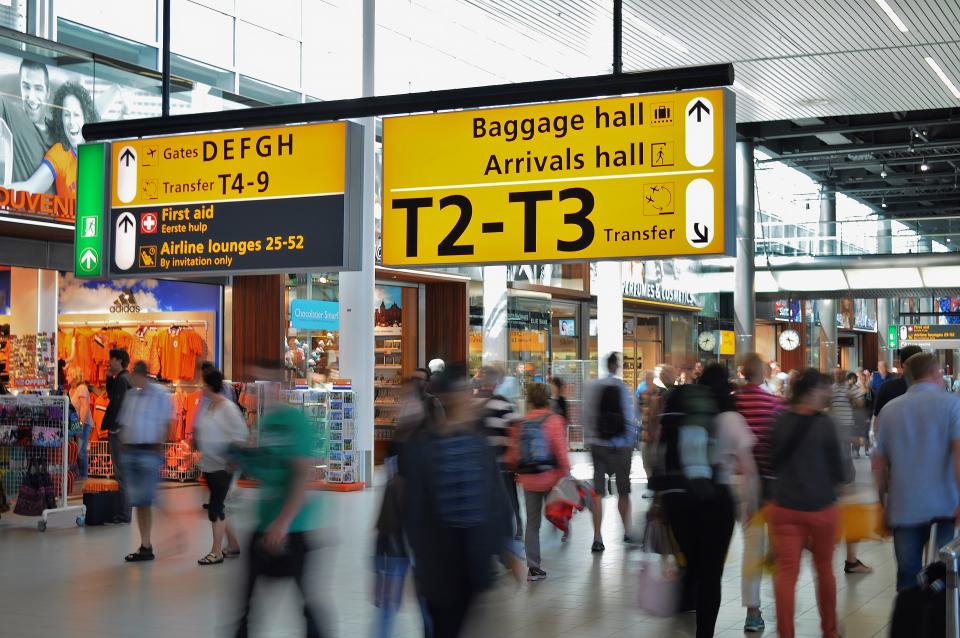
Barcelona airport strike disruption

All 1,179 Groundforce staff at Barcelona airport went on indefinite strike over unresolved disputes on staffing levels, excessive overtime, rest periods, safety training and basic occupational health measures, according to AirHelp. Spanish officials estimated the strike could affect roughly 11,600 flight movements and around 2 million passengers at Barcelona alone through the end of September if it continues at that scale.

By mid-August, between 150 and 170 flights had already been cancelled since the walkout began, with around 3,000 pieces of luggage left stranded at the airport, according to reporting from FTNNews. Eighteen flights were cancelled on August 13 alone, with Lufthansa Group carriers among the hardest hit.

Why Palma’s strike was called off but Barcelona’s wasn’t

Swissport, the ground handler at Palma de Mallorca, reached an agreement covering all of its workers’ demands just before the planned August 4 walkout, averting disruption there. Barcelona’s Groundforce dispute has proven harder to resolve, with talks over staffing and working conditions dragging on for months without a breakthrough, leaving the strike open-ended rather than tied to a fixed end date.

What it means for travelers this month

Passengers flying through Barcelona should expect continued disruption risk through the rest of the summer travel peak, and airlines have been rebooking affected passengers where possible. EU passenger rights rules still apply during ground-handling strikes, though compensation eligibility can depend on whether an airline or a third-party contractor is deemed responsible for a specific cancellation. Travelers with connections through Barcelona should build in extra buffer time and monitor their airline’s advisories directly.

The disruption adds to a summer already marked by strained travel logistics across Europe, from earlier walkouts in Germany to staffing shortages at other major hubs. Travelers weighing costs for an international move, not just a holiday, may find it useful to compare how upfront requirements differ by destination, as we outlined in our breakdown of proof-of-funds requirements across the UK, Canada and Australia, since flight disruption is often just one of several logistical hurdles international travelers face this year.

What travelers should expect next

Talks between Groundforce and unions are ongoing, but neither side has signaled an imminent resolution. Spanish transport authorities have faced pressure to intervene given the scale of passenger disruption during peak season, though any mediated settlement would still need union ratification. Until an agreement is reached, airlines operating out of Barcelona are expected to keep adjusting schedules to manage ground-handling capacity. Some carriers have already begun shifting connecting traffic through alternative Spanish airports where possible, though capacity constraints limit how much rerouting can realistically absorb during the peak weeks of late August and early September. Travelers with visa or entry-document appointments tied to a Barcelona connection should also build in extra buffer time, a lesson that applies broadly to the kind of bureaucratic timelines we’ve covered in our reporting on the Netherlands’ single permit processing delays, where missed connections have similarly compounded existing administrative backlogs.

Travel advisers are also flagging the broader pattern of European staffing disputes as a planning consideration for anyone booking trips into the autumn, not just this summer. With similar disputes having already flared at hubs in Germany earlier this year, industry groups are pushing for longer-term reforms to ground-handling contracts across the EU aviation sector, though any regulatory response is unlikely to arrive before the current disputes are resolved.

Barcelona airport strike: frequently asked questions

When did the Barcelona airport strike disruption begin?
The indefinite strike by Groundforce staff at Barcelona–El Prat Airport began on August 4, 2026.

How many passengers could be affected?
Spanish officials estimated around 2 million passengers and 11,600 flight movements could be affected at Barcelona through the end of September.

Was Palma de Mallorca affected too?
A parallel strike at Palma was called off after Swissport reached an agreement with workers just before the planned August 4 walkout.

What are the workers striking over?
Disputes center on staffing levels, excessive overtime, rest periods, safety training and occupational health measures.

How many flights have been cancelled so far?
Between 150 and 170 flights had been cancelled at Barcelona by mid-August since the strike began.

Are affected passengers entitled to compensation?
EU passenger rights rules still apply, but eligibility can depend on whether the airline or a ground-handling contractor is deemed responsible for a given cancellation.