
Never lose a customer to a missed message
An AI agent trained on your own business, replying in seconds, in any language, on every channel your customers already use.
The Falklands sovereignty dispute has flared again. A shift in Washington’s tone is doing as much to inflame it as anything said in Buenos Aires or London. Argentine President Javier Milei has threatened sanctions against oil companies drilling near the islands. US President Donald Trump has stopped short of promising that Washington would still back Britain if the standoff escalates. The dispute was largely dormant since the 1982 war. It is now tied to a live offshore drilling project and a United Nations resolution the two governments read very differently.
What Milei is threatening
In a televised address on September 4, 2026, Milei called the islands “Argentine, by history and by right.” He added “there is no debate about it.” He threatened economic sanctions against companies working near the Falklands. “If we do not act swiftly, in a few months they will have the material capacity to access the oil that lies underneath our sea,” he warned. He said he would send a bill to Argentina’s Congress toughening penalties on firms operating in the area without Buenos Aires’ approval. The measures could extend to suppliers, shareholders and directors. In the harshest form, they could mean a complete ban on operating in Argentina.
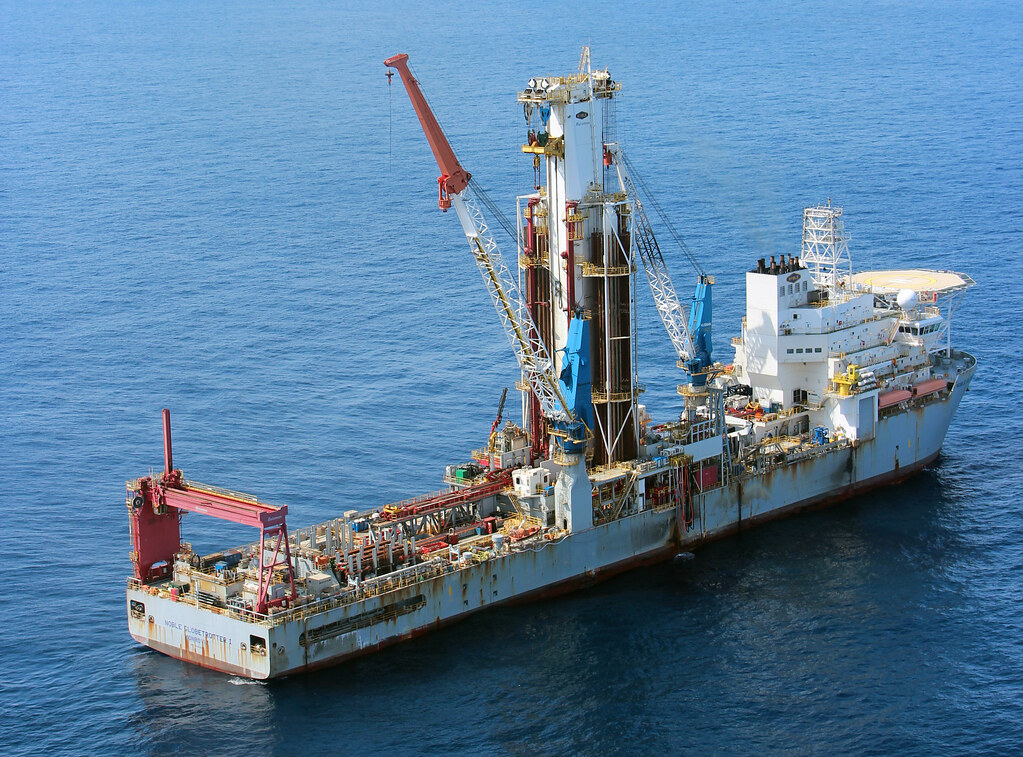
The trigger is Sea Lion, an oilfield roughly 140 miles north of the islands. British firm Rockhopper Exploration and Israeli company Navitas Petroleum estimate it holds 1.7 billion barrels of oil. Extraction is targeted to begin within about 18 months. Rockhopper’s share price fell around 10% after Milei’s speech. Navitas Petroleum dropped at least 4.5%. That is a sign investors are taking the sanctions threat seriously, even before any bill becomes law.
Why the Falklands sovereignty dispute is resurfacing now
Milei has cited a UN resolution urging Argentina and the UK to avoid unilateral action around the islands. He argues that oil development without Buenos Aires’ consent breaches its spirit. He raised the issue again while addressing the UN General Assembly on September 23, arguing the international body has ignored rising tension over the drilling. What has genuinely changed is Washington’s posture. Trump said the US position on Falklands sovereignty is “under review.” “I always review every position. That’s just one of many,” he told reporters. Asked directly whether the US would back Britain if Argentina pressed its claim, he declined to answer. That is a departure from the traditionally pro-UK tilt Washington has held since the 1982 war.
Why oil, not history, is driving this phase
The Falklands War in 1982 was fought over sovereignty in the abstract. This phase of the dispute is different. It is anchored to a specific, dated commercial project with a real production timeline. That makes the stakes easier to quantify and, for investors in Rockhopper and Navitas, easier to price into a stock. It also gives Milei’s government a concrete grievance to point to, rather than a decades-old historical claim alone. Oil at 1.7 billion estimated barrels is large enough to matter to Argentina’s economy if any share of it were ever contested or redirected.
Britain’s response
UK Defence Secretary Wes Streeting dismissed Milei’s speech. It “tells us more about domestic politics in Argentina than it does about the Falkland Islands,” he said. The UK government points to the roughly 4,000 Falkland Islanders who voted overwhelmingly to remain British in a 2013 referendum. It argues their right to self-determination, including control over resource development, is not open to negotiation.
What happens next for the Falklands dispute
Argentine war veterans and environmental lawyers have already filed legal challenges against Sea Lion. Milei’s promised legislation would add a political and financial layer to that opposition. Rockhopper and Navitas are still targeting extraction within 18 months and production by 2028. That timeline assumes calm financing and insurance markets despite the sanctions threat. The larger unknown is Washington. If Trump’s “under review” comment becomes an actual policy shift, it would remove a pillar of diplomatic support Britain has counted on since the war. This dispute is unfolding alongside a busy month of diplomacy, including the Trump-Xi trade summit, covered elsewhere on this site.
Falklands Dispute: Frequently Asked Questions
What is the Falklands sovereignty dispute currently about?
Argentina is threatening sanctions against oil companies drilling near the islands, and it’s now unclear whether the United States will continue backing Britain’s position.
Why is Argentina threatening oil company sanctions now?
The Sea Lion oilfield, estimated to hold 1.7 billion barrels, is moving toward extraction, which Milei says would let companies access resources Argentina considers its own before Buenos Aires can act.
Has the US changed its position on the Falklands?
Trump said the US stance is ‘under review’ and declined to confirm the US would support Britain, a shift from Washington’s traditional pro-UK neutrality.
What is the Sea Lion oil project?
It’s an oilfield about 140 miles north of the Falklands being developed by UK-based Rockhopper Exploration and Israel’s Navitas Petroleum, with extraction targeted within 18 months.
What did the 2013 referendum decide?
Roughly 4,000 Falkland Islanders voted overwhelmingly to remain a British Overseas Territory.
Could the Falklands dispute escalate into conflict again?
There is no reported military mobilization, but political, legal and financial pressure is rising as Argentina’s sanctions bill and the drilling timeline both advance.
Sources
- Time — Why the Falklands Is a Pressure Point For the U.K.—and How Milei, Trump Are Stoking Tensions. https://time.com/article/2026/09/04/falkland-islands-britain-argentina-sovereignty-dispute-Milei-threats-trump/
- Al Jazeera — Argentina’s Milei threatens sanctions as he refocuses on Falklands. https://www.aljazeera.com/news/2026/9/4/argentinas-milei-threatens-sanctions-as-he-refocuses-on-falklands
Verification your users actually receive.
Send one-time passcodes over WhatsApp with a single API call. Replio can generate, hash and verify the code for you.
