• Mon - Fri 9.00 - 19.00

Tag Archives: air travel

A Hurricane Just Grounded Dozens of Hawaii Flights and Delayed a Cruise Ship

Hurricane Nolo Hawaii flights began being cancelled on September 25 as the slow-moving storm approached the Big Island. Hilo Airport lost at least 21 flights, and airlines across the state issued weather waivers ahead of what forecasters are calling potentially catastrophic rainfall.

How Hurricane Nolo Hawaii flights were affected first

Hawaiian Airlines cancelled 13 flights and Southwest cancelled 8 at Hilo Airport for Friday and Saturday, according to Hawaii News Now’s reporting. Hawaiian Airlines cancelled its final Hilo flight Thursday evening and its first Friday morning flight specifically to avoid having aircraft grounded on the tarmac during the worst of the weather. Airline CEO Diana Birkett Rakow said: “Our highest priority is to make sure that everybody is safe. That means our guests and our teams.”

Bigger carriers waived fees across multiple islands

Hurricane Nolo Hawaii flights airport terminal delays

Delta Air Lines issued weather waivers covering Honolulu, Kahului on Maui, and Kona on the Big Island for flights on September 26 and 27. American Airlines extended similar waivers to the same three airports plus Lihue on Kauai, according to TravelPulse’s coverage. Both carriers are letting eligible travelers change flights without a change fee. American, Delta and United have all extended some form of flexible rebooking to passengers with weekend travel to the islands.

A cruise ship changed course too

Travel disruption has not been limited to flights. Norwegian Cruise Line postponed the September 26 departure of its Pride of America from Honolulu to September 28, shortening the itinerary from seven nights to five, citing “the approaching storm and related restrictions.” The change shows how far in advance cruise operators are adjusting schedules, given how slowly Nolo has been moving toward the islands.

Why this storm is different from a typical pass-through system

As of Friday morning, Nolo was positioned roughly 250 miles south of the Big Island and moving north at just 5 miles per hour. It had strengthened to Category 1 hurricane status Thursday night, with the potential to intensify further. That slow track matters because it gives the storm more time to dump rain over the same terrain. The National Hurricane Center has warned of “life-threatening, potentially catastrophic flash flooding and mudslides,” particularly in mountainous areas, alongside dangerous surf and damaging winds through the weekend.

Forecasters are projecting up to 35 inches of rain on the Big Island and up to 15 inches on parts of Maui. Those rainfall totals put this storm well beyond routine tropical weather disruption for the islands.

Hawaii County has opened nine shelters across the Big Island, four on Wednesday night and five more Friday morning, including sites in Hilo, Honokaa, Waimea and Ocean View, according to the Hawaii Tribune-Herald. Mayor Kimo Alameda urged residents to finish storm preparations, saying: “We are looking at both the possibility of life-threatening flash flooding and strong, damaging winds.”

What travelers should watch for next

With Nolo still crawling toward the islands rather than making a fast pass, airlines and cruise operators are likely to extend or adjust waivers as the forecast firms up over the weekend. Travelers with Hawaii trips booked in the coming days should check flight status directly with their airline, rather than assuming a booked flight will operate as scheduled. That is especially true for Big Island and Maui routes closest to the projected rainfall bands.

More travel disruption coverage

Related reading: Typhoon Dujuan’s disruption to Tokyo flights, flight disruptions across the northeastern US, and the new TSA REAL ID and ConfirmID fee.

Hurricane Nolo travel questions answered

How many flights have been cancelled so far?

At least 21 flights at Hilo Airport, made up of 13 Hawaiian Airlines flights and 8 Southwest flights scheduled for Friday and Saturday.

Which airlines are offering waivers?

Delta and American have issued fee-free rebooking waivers covering Honolulu, Kahului, Kona and, for American, Lihue, while United has offered some flexible rebooking as well.

Has the storm affected cruise ships?

Yes. Norwegian Cruise Line postponed the Pride of America’s September 26 Honolulu departure to September 28 and shortened the cruise from seven nights to five.

How strong is Hurricane Nolo?

It reached Category 1 strength Thursday night and was classified as a Category 2 storm as it moved slowly toward the Big Island, with forecasters warning it could strengthen further.

How much rain is expected?

Forecasters project up to 35 inches of rain on the Big Island and up to 15 inches on parts of Maui, with the National Hurricane Center warning of catastrophic flash flooding and mudslides.

Storm reporting sources

Flying Without a Real ID Now Costs You $45 and 30 Minutes

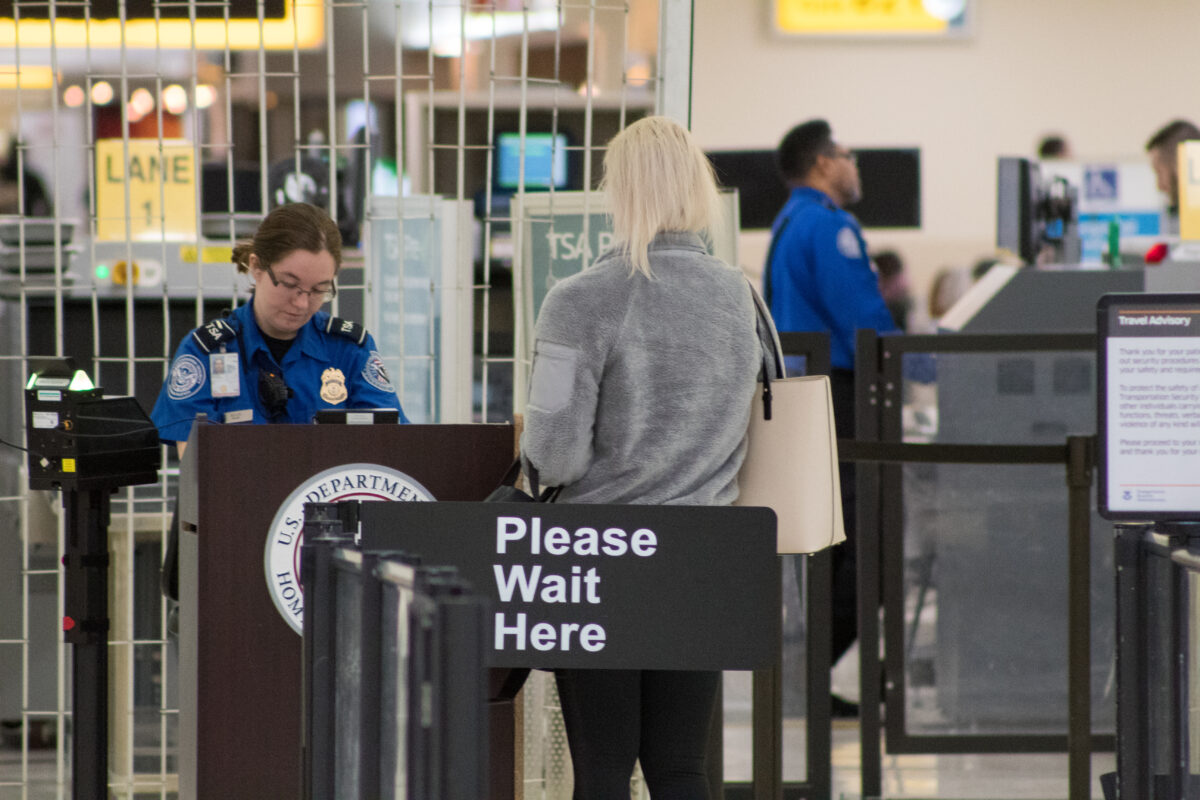
Show up at a US airport security checkpoint today without a compliant ID, and the TSA Real ID fee will cost you $45. On top of that, a screening process can eat 30 minutes or more of your layover buffer.

The fee applies through TSA ConfirmID. That is the biometric and biographic verification system now used to screen travelers who lack REAL ID-compliant identification. It is the latest step in a rollout that took nearly two decades to reach full enforcement.

Passport and travel documents affected by the TSA Real ID fee

How the TSA Real ID Fee Actually Works at the Checkpoint

Travelers without a compliant ID must pay the $45 fee. They must also submit to identification checks through TSA ConfirmID before they can fly. Screening scope varies by airport. TSA has warned travelers to expect delays of 30 minutes or more versus standard processing.

Why It Took This Long to Enforce

TSA finally began enforcing the REAL ID Act on May 7, 2025. That came after multiple deadline extensions stretching back years. The fee and full ConfirmID screening only became mandatory on February 1, 2026. That gave travelers a further window to get compliant documents first.

The original REAL ID Act passed nearly two decades earlier. Repeated delays meant most travelers grew accustomed to flying with almost any state-issued ID. Its formal compliance status rarely mattered in practice. That long grace period is part of why the fee’s arrival still caught some travelers off guard, despite years of advance warning.

The 94% Who Won’t Pay a Thing

TSA data shows 94% of passengers already arrive for flights carrying a REAL ID or another acceptable form of identification. That means the fee and extended screening affect a relatively small share of travelers. For that minority, though, the combination of cost and delay is enough to disrupt a tight connection.

What Documents Actually Count as Compliant

A REAL ID-compliant license or state ID card is marked with a star in the upper corner. A standard US passport or passport card also satisfies the requirement on its own. TSA’s accepted list additionally includes military ID, permanent resident cards and certain federally issued trusted-traveler cards, among a handful of other options.

Travelers sometimes assume any government-issued photo ID will work. That assumption is what catches people out at the checkpoint. A standard, non-compliant driver’s license without the star marking will trigger the fee, even though it remains valid for driving.

How Screening Time Varies by Airport

TSA has not published a single fixed screening time that applies everywhere. Officials say ConfirmID wait times depend on checkpoint staffing and how many non-compliant travelers arrive at a given hour. A busier hub airport at peak travel times is likely to see longer queues for ConfirmID screening than a quiet regional airport, simply because more checkpoint lanes are already under pressure.

How to Avoid the Fee Before Your Next Flight

Travelers can sidestep both the fee and the ConfirmID screening. Carry a REAL ID-compliant driver’s license or state ID. A valid US passport works too, as does another document already on TSA’s accepted list. State motor vehicle agencies have processed REAL ID applications for years. Most travelers can get one without a long wait.

How This Fits the Broader Travel Documentation Push

The REAL ID rollout is one piece of a wider tightening of identity verification across US travel this year. Privacy advocates have raised concerns about the growing footprint of biometric data collection built into programs like ConfirmID. TSA maintains that the system speeds up screening for the vast majority of compliant travelers.

For now, the fee and screening apply only to domestic flyers without compliant ID. International travelers navigating passport requirements remain largely unaffected. That could change if the program expands, though TSA has not signaled plans to do so.

What to Do Before You Book Your Next Flight

Anyone planning domestic travel who is unsure whether their ID is compliant should check with their state’s motor vehicle department before heading to the airport. Enforcement is now fully in effect, with no further grace period expected. The $45 fee and added screening time are here to stay for noncompliant travelers.

Travelers with a tight connection face the most risk, since a 30-minute delay at security can mean missing a flight. Checking ID compliance days ahead of travel, rather than at the airport itself, remains the simplest way to avoid the disruption entirely.

Traveler Questions on the New Fee

What is the TSA Real ID fee?

A $45 charge for domestic flyers who arrive at security without a REAL ID-compliant identification document.

What happens besides paying the fee?

Travelers must also complete TSA ConfirmID screening, a biometric or biographic verification process that can add 30 minutes or more to checkpoint time.

When did enforcement begin?

TSA began enforcing the REAL ID Act on May 7, 2025, with the ConfirmID fee and screening process taking full effect February 1, 2026.

How many travelers are actually affected?

TSA says 94% of passengers already arrive with a REAL ID or another acceptable form of identification.

How can I avoid the fee?

Obtain a REAL ID-compliant driver’s license or state ID, a valid US passport, or another TSA-accepted document before your next flight.

Sources

Related reading on Tamara News: 868 delays in a day: what’s fueling the US flight delays surge and the US flight ban over the Ebola outbreak.

868 Delays in a Day: What’s Fueling the US Flight Delays Surge

Air travelers across the United States are living through a US flight delays surge this September. On September 16, 2026, flight-tracking data showed more than 868 delays and at least 45 cancellations nationwide, according to FlightAware-based figures reported that day. Two days later, the FAA’s daily air traffic report flagged thunderstorms, low clouds and gusty winds from Atlanta to San Francisco. The pattern keeps repeating. Rough weather meets a stretched air traffic system, and delays spread fast.

Inside the US Flight Delays Surge: What the Numbers Show

The September 16 snapshot came from FlightAware’s public disruption tracker. Travel-industry reporting cited it that same day. It counted more than 868 delayed flights. It also logged 45 cancellations tied to the US airspace system. The cancellation count stayed modest next to total daily operations. The delays did more damage. They forced missed connections. They also strained crew schedules and left aircraft stuck in the wrong city overnight.

US flight delays surge: passengers waiting near an airport departure gate

Four days earlier, on September 12, a separate count told a bigger story. It put that day’s toll at 2,919 delays and 118 cancellations across 25 US airports, according to travel-news reporting from that date. The exact totals move day to day. The underlying pattern does not. Weather and traffic-flow limits at a small group of hubs ripple through the whole national schedule.

Why Weather Keeps Grounding Flights at Major Hubs

The FAA’s daily air traffic report for Friday, September 18, 2026 named five thunderstorm risk cities: Atlanta, Charlotte, Denver, Fort Lauderdale and Miami. Low clouds threatened Boston, San Francisco, San Diego and the New York airports. Las Vegas faced gusty wind. None of these conditions are unusual for September. What makes them costly is timing. Several regions hit turbulence at once. That leaves airlines less room to reroute traffic around the trouble.

Miami and Fort Lauderdale carried extra risk on September 18. The National Weather Service put the chance of rain at Miami International at 70 percent that afternoon. The FAA flagged a possible ground stop for South Florida, according to its own planning advisory that day. San Francisco and San Diego dealt with low cloud ceilings too. Both airports also have ongoing runway and taxiway construction. The FAA says that combination reduces operational flexibility.

Dallas/Fort Worth added a delay of its own. A Ground Delay Program ran there on September 18 because of runway construction, not weather. That is a useful reminder. Not every delay traces back to storms.

Air Traffic Control Strain Adds to the Flight Disruption

Weather explains a large share of September’s delays. It does not explain all of it. The FAA’s national airspace status system listed a ground delay program at Nashville International on September 18. It attributed the delay directly to controller staffing. Average delays ran close to 46 minutes that evening, per FAA airport-status data reported that day. Seattle-Tacoma and San Diego carried similar ground delay programs on September 16, according to FAA status pages cited in flight-tracking coverage from that date.

The staffing gap behind these programs is not new. It is not small either. The FAA employed close to 10,800 fully certified controllers as of June 2026. Its internal target sits near 13,800, according to reporting reviewed that month. The agency has stepped up hiring. Training a controller still takes years, so the shortfall carries into this fall’s peak travel season. It has already forced the FAA to cap flights at Chicago O’Hare through October 24, and to extend flight cuts at Newark through late October.

Technology adds a second layer of strain. Official records reviewed through September 18, 2026 show at least 28 significant air traffic control technology disruptions worldwide this year. Several involved US facilities. Jacksonville Center suffered a communications outage in January. An equipment and communications failure triggered ground stops at Dallas/Fort Worth and Dallas Love Field in April. A New York Center communications outage in June set off a separate FAA alert. No single incident caused September’s numbers by itself. Together, they show a system with less spare capacity than travelers might assume.

How Travelers Can Protect Their Trips During the Delays

A few practical habits cut the risk of getting stranded during a disruption spike like this one.

  • Check the operating airline’s app first. Airlines usually post rebooking options there before phone lines or airport counters catch up.
  • Cross-check flight status with a public tracker. FlightAware’s disruption map shows whether a problem is local or systemwide.
  • Watch the FAA’s national airspace status page. It lists active ground stops and Ground Delay Programs by airport.
  • Build extra time into connections through the hubs named in the FAA’s daily report. That means Atlanta, Miami, Fort Lauderdale, Denver and the Bay Area airports especially.
  • Ask about an earlier flight if your app allows a same-day change. Earlier departures usually recover faster than late-day flights caught in a cascading delay.
  • Keep receipts for meals, hotels and other costs. Documentation speeds up reimbursement requests and travel insurance claims.

What Happens Next as US Flight Delays Persist

The Department of Transportation runs an airline customer-service dashboard tracking what carriers promise during controllable delays and cancellations. It covers airlines representing about 96 percent of domestic scheduled passenger traffic, according to DOT data cited in reporting from September 18, 2026. Weather and air-traffic constraints sit outside airlines’ direct control, so voluntary commitments narrow when storms or staffing cause the delay. Refund rights are simpler. If an airline cancels a flight and a passenger declines the rebooking, US rules entitle that passenger to a refund regardless of the reason. A domestic arrival three hours or more late can also count as a significant change that opens refund options.

On staffing, the FAA’s own workforce plan sets clear hiring targets. It projects roughly 2,200 new controllers in fiscal 2026. It plans for 2,300 more in fiscal 2027 and 2,400 in fiscal 2028. Fiscal 2025 ended with the highest trainee intake since 2008. That pipeline will not fix this month’s delay boards. It does suggest the current staffing-driven ground delay programs will persist. Airports such as Nashville, Newark and the Southern California hubs are unlikely to see relief before 2027 at the earliest. Travelers flying through the busiest US airspace this fall should plan around continued disruption risk rather than a quick fix.

Frequently Asked Questions About the US Flight Delays Surge

What is driving the US flight delays surge in September 2026?
Severe weather is hitting multiple hubs at once. Staffing shortages and lingering technology problems add to the strain. FAA daily reports name thunderstorms and low clouds as the immediate trigger most days.

How many flights were delayed on September 16, 2026?
FlightAware-based tracking counted more than 868 delayed flights that day, plus 45 cancellations. Totals like this change hour by hour and should not be read as a fixed figure for other dates.

Which US airports are most affected right now?
Coverage through September 18, 2026 names Atlanta, Charlotte, Denver, Fort Lauderdale and Miami as thunderstorm risks. Boston, San Francisco, San Diego, New York and Las Vegas face weather delays. Nashville, Newark and Southern California face separate staffing programs.

Is the air traffic controller shortage really a factor?
Yes. As of June 2026, the FAA employed close to 10,800 fully certified controllers against an internal target near 13,800. Staffing-related delay programs have already hit Nashville this month.

What should I do if my flight gets delayed or canceled?
Check the airline’s app right away and compare it against a public flight tracker. If the airline cancels the flight and you decline the new option, you can claim a refund under US rules.

Will the US flight delays surge ease before the end of 2026?
Not quickly. The FAA’s hiring plan does not add meaningful controller capacity until 2027. Flight caps at Chicago O’Hare and Newark already run into late October 2026.

Related Coverage

Sources

Heathrow, Gatwick and Manchester Just Told Passengers: Check Before You Leave

Major UK airports issued an urgent UK airport travel disruption notice on September 14, 2026. London Heathrow, Gatwick and Manchester all warned travelers to verify flight status before heading to the terminal. Operational recovery efforts continue across the country’s airspace.

What’s Behind This UK Airport Travel Disruption

The advisory covers the country’s three busiest aviation gateways at once. That scale typically points to an airspace-wide capacity or weather issue. It’s not a problem isolated to one terminal or airline. UK airports have already faced a difficult stretch this month. A runway closure at Gatwick recently triggered one of the airport’s worst evenings of the year. It delayed roughly 90% of flights, with average waits of 71 minutes. Early September also brought a wave of US-bound delays and cancellations. Labor Day travel volumes and separate weather systems both contributed.

This Follows a Rough Few Weeks for European Airports

UK airport travel disruption

UK airports aren’t operating in isolation here. Tamara News previously covered how a single bad day in Berlin rippled across a dozen European airports. That story showed how quickly one hub’s problem can cascade through connecting itineraries continent-wide. The September 14 advisory suggests UK airports are trying to get ahead of a similar cascade risk. They are warning passengers early, rather than waiting for delays to compound before communicating.

What Passengers Should Actually Do

Airlines and airports are directing travelers to check their specific flight’s status directly with the operating carrier. Do this before leaving for the airport. General advisories alone aren’t enough to plan around. UK261 passenger rights rules still apply during weather- or air-traffic-linked disruption in many circumstances. That means affected travelers may be entitled to rebooking, refunds or compensation. It depends on the cause and length of delay. Airlines can still decline compensation claims tied to extraordinary circumstances, such as severe weather.

How This Compares to Recent US Flight Disruption

The UK advisory lands just over a week after nearly 1,700 US flights were delayed in a single day. That’s part of a broader pattern of early-September disruption on both sides of the Atlantic. Aviation analysts point to a mix of causes straining major hubs this particular September: congestion, weather, and schedule limits. No single cause explains every incident. Together, that pattern makes this month look more turbulent for air travel than usual. That’s true even before counting the UK’s specific runway and airspace issues.

What Frequent Flyers Are Doing Differently This Month

Business travelers with tight connections through Heathrow or Gatwick have changed their habits this month. Many are now building in extra buffer time between flights, according to travel advisors quoted in UK coverage of the disruption. Some are shifting to earlier departure slots too. That helps them avoid the afternoon congestion windows that have produced the longest delays. Airlines have also expanded same-day rebooking options at some UK hubs. That lets affected passengers move to a later flight without paying a change fee during active disruption periods.

What Airlines Are Telling Passengers Directly

Several carriers operating out of the three hubs have pushed direct notifications to affected travelers through their apps, rather than relying on passengers to check airport-wide advisories alone. That shift reflects lessons learned from the Berlin disruption, where delayed communication left many travelers finding out about cancellations only after arriving at the terminal. Airlines say the goal this time is giving passengers enough notice to rebook or adjust plans before they leave home. Frequent-flyer forums have also filled with real-time reports from travelers at all three airports, which airlines and journalists alike have used to spot developing problems faster than official channels sometimes manage.

What to Watch as Recovery Efforts Continue

Airports have not given a firm timeline for when normal operations will resume across all three hubs. Passengers with near-term travel through Heathrow, Gatwick or Manchester should plan carefully. Treat the next 24 to 48 hours as the most likely window for continued knock-on delays. Recovery from a multi-airport disruption typically takes longer than a single bad day. Clearing connecting aircraft and crew schedules back into position simply takes time. Anyone flying long-haul into or out of the three hubs this week should build extra time into ground transport plans too, since knock-on delays tend to hit connecting rail and coach services around major airports as well. Passengers connecting through a fourth UK airport, such as Stansted or Luton, should still check status directly, since disruption at one hub can spill over onto shared airspace corridors.

Frequently Asked Questions

Which UK airports issued the disruption advisory?
Heathrow, Gatwick and Manchester all issued advisories on September 14, 2026. They warned passengers to verify flight status before traveling to the terminal.

What caused this round of UK airport travel disruption?
The advisory follows a recent Gatwick runway closure and broader operational recovery efforts. Airports haven’t attributed the September 14 notice to one specific cause.

Am I entitled to compensation if my flight is delayed?
UK261 rules can entitle passengers to rebooking, refunds or compensation. It depends on the cause and length of delay, and airlines can decline claims tied to severe weather.

Is this connected to recent US flight delays?
Not directly. But it follows a similar pattern of early-September disruption in the US, where nearly 1,700 flights were delayed in a single day.

How long will the disruption last?
Airports haven’t given a firm timeline. Multi-airport disruptions typically take longer than a single day to fully clear from connecting schedules.

Sources

  • NomadLawyer — UK Airport Disruption Advisory: Heathrow Delays, UK261 Compensation Rights. nomadlawyer.org

Nearly 1,700 Flights Were Delayed in One Day — Here’s What Went Wrong

US flight operations were widely disrupted on September 8, 2026. Aviation tracking data recorded 1,649 delays and 181 outright cancellations by mid-afternoon. The worst bottlenecks concentrated in Florida, New England and the Midwest. That came just days after the Labor Day travel period had already tested the system.

Miami International Airport recorded an average ground delay of 211 minutes following a disabled aircraft on the runway. Boston Logan logged 142 delays amid active runway construction, according to flight tracking data cited in travel industry reporting.

Both airports rank among the busiest in their respective regions, handling a mix of domestic and international traffic that makes them important connection points for the wider US network. Delays at hubs of this size rarely stay contained to a single airport, since aircraft and crews scheduled for later flights elsewhere often originate from the affected location earlier in the day.

Aviation analysts track disruptions like this using ground delay programs, a Federal Aviation Administration tool that slows arrival rates at an airport to manage congestion safely rather than allowing aircraft to stack up in holding patterns. Miami’s 211-minute average reflects how long that kind of program held aircraft back on September 8.

Airlines typically absorb the direct cost of these delays through crew overtime, rebooking fees and fuel burned during extended taxi and holding time. Passengers bear a different cost. It shows up as missed connections and disrupted travel plans that airlines cannot always fully compensate through rebooking alone.

What drove the US flight delays surge on September 8

Unlike a single-cause event, the September 8 disruption reflected several factors compounding at once. A disabled aircraft blocked a runway in Miami. Ongoing construction work reduced capacity at Boston Logan. Delays at both major hub airports then rippled outward to connecting flights across the country.

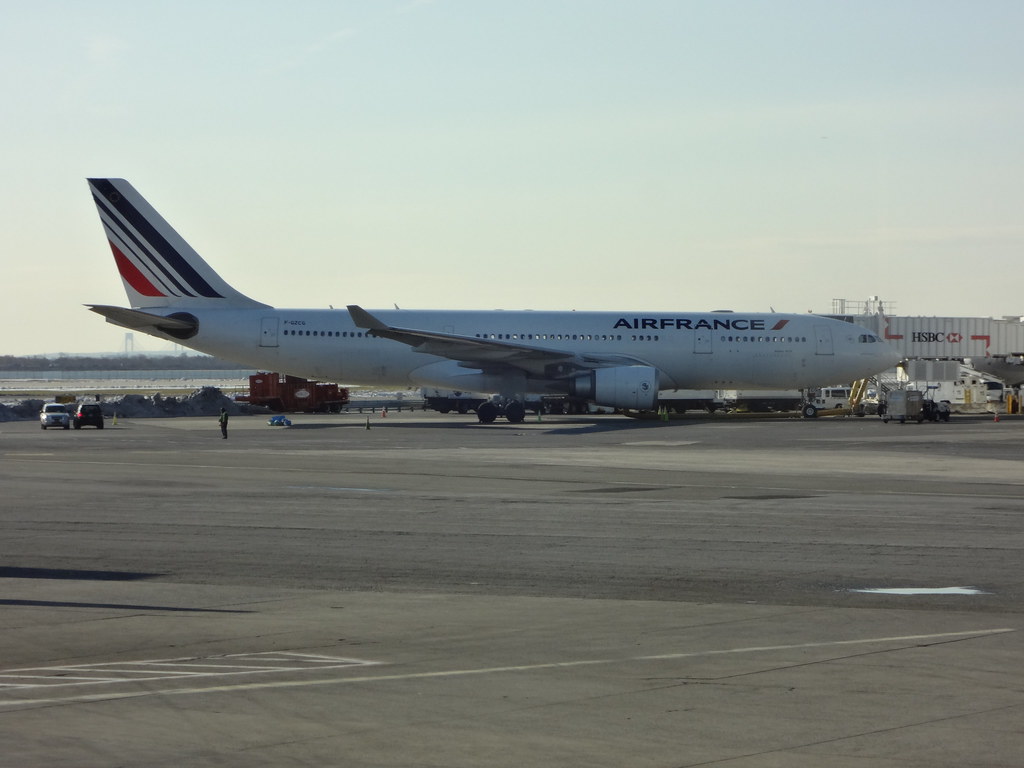
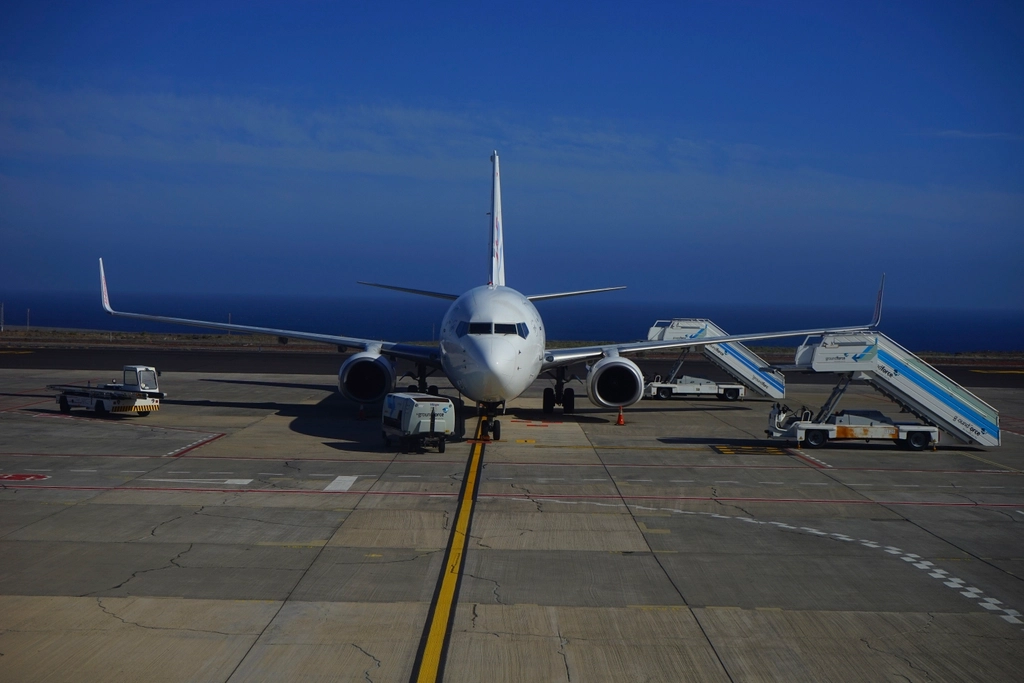
Airplane on airport tarmac representing the US flight delays surge in September

The timing compounded the impact. Labor Day weekend, spanning roughly September 3 to 7 in 2026, had already pushed the aviation system close to capacity. The September 8 disruptions landed on a system with little slack left to absorb new problems.

How this differs from the Labor Day disruptions

Labor Day weekend delays typically stem from simple volume, as more travelers fly over the holiday than the system is built to handle smoothly. The September 8 event was distinct because it combined that lingering volume pressure with specific operational failures: the disabled aircraft in Miami and construction-related capacity limits in Boston. Together those factors produced a sharper single-day spike than holiday volume alone would typically cause.

Airlines and airports generally recover from single-day operational disruptions within 24 to 48 hours. That recovery window holds as long as no additional weather or mechanical issues compound the initial problem.

Which travelers were affected most

Passengers connecting through Miami and Boston faced the steepest delays. The ripple effects extended to travelers on connecting itineraries booked through those hubs, even if their own origin or destination airport was unaffected. This kind of network disruption is common in the US hub-and-spoke aviation system. A localized problem at one major airport can delay aircraft and crews scheduled to operate flights elsewhere later the same day.

Travelers with tight connections or same-day return itineraries typically face the greatest risk during events like this. Airlines have limited flexibility to rebook when an entire day’s schedule is already disrupted.

What airports are doing to prevent a repeat

Miami International has not detailed publicly what steps it is taking to prevent a similar runway obstruction, though airport operators generally review clearance procedures after an incident of this kind. Boston Logan’s construction project is expected to continue for a defined period, and the airport has not indicated any change to that schedule in response to the September 8 delays. Airlines flying frequently through both airports have historically built additional schedule buffer into flights during known construction windows, a practice that tends to reduce, though not eliminate, cascading delays.

Federal aviation officials have not announced any new oversight measures specific to this event as of early September.

What happens as the system recovers

Airlines typically work through accumulated delays over the following one to two days as aircraft and crews return to their scheduled positions, assuming no further weather or mechanical disruptions occur. Miami’s runway obstruction and Boston’s construction-related capacity limits are the two specific factors travelers in those markets should watch for recurrence risk in the near term.

Airports experiencing active construction, like Boston Logan, are likely to see intermittent capacity constraints continue until the work is completed. Travelers booking near-term flights through that airport should account for that risk.

Questions about the September 8 disruptions

  • How many flights were affected? Aviation tracking data recorded 1,649 delays and 181 cancellations by mid-afternoon on September 8.
  • Which airports were hit hardest? Miami International and Boston Logan saw the most significant delays.
  • What caused the Miami delays? A disabled aircraft on the runway caused an average ground delay of 211 minutes.
  • What caused the Boston delays? Active runway construction reduced airport capacity.
  • Is this connected to Labor Day travel? The disruption landed just after the Labor Day travel period, when the system already had limited slack.
  • How long do these disruptions typically last? Airlines generally recover within 24 to 48 hours absent further weather or mechanical issues.

Related coverage on Tamara News

See our coverage of the Labor Day flight disruptions, the European airport flight disruptions, and the Dubai and Abu Dhabi flight disruptions.

Sources

  • The Traveler — US Flight Delays and Cancellations Disrupt Early September Travel. thetraveler.org
  • The Traveler — Over 709 U.S. Flights Delayed as Travel Disruptions Spread. thetraveler.org