
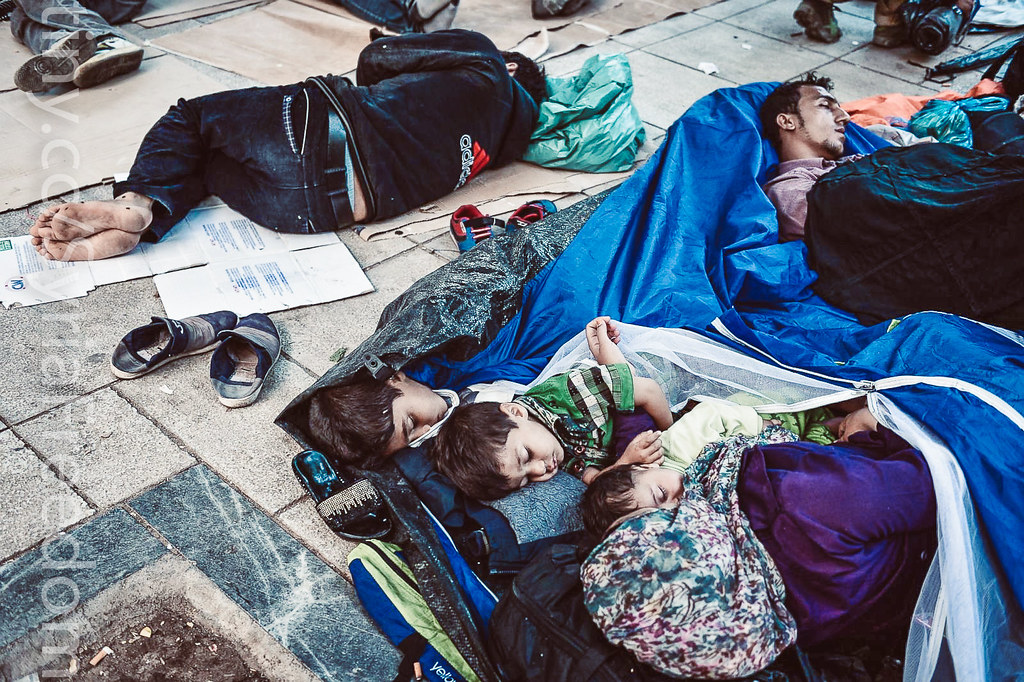
The Yemen displacement crisis has escalated sharply, with the United Nations reporting that at least 76,000 people have fled their homes since July — a figure that quadrupled in the space of a single week as Houthi forces pushed a large-scale offensive against government positions.
The International Organization for Migration described a situation deteriorating by the hour. UN News reported the surge on 12 September, with the sharpest concentration in the southwest.
Taiz is bearing most of it
Roughly 8,300 households — close to 50,000 people — have been displaced from districts in Taiz province alone. That is about two-thirds of the total from one governorate.
Taiz has been a front line for most of the war, but the current fighting is different in pace. The Houthis launched their offensive last week and have taken position after position, in fighting that Arab News reported has left hundreds dead. We covered the opening phase in our report on the week that killed 129; the toll and the displacement have both moved substantially since.
Why the numbers moved so fast
A quadrupling in one week is not a gradual humanitarian deterioration. It is the signature of a front line collapsing and civilians leaving ahead of it.
Displacement in Yemen has generally been incremental — families moving short distances, often repeatedly, as shelling shifts. A step change of this size indicates territory changing hands quickly enough that people are leaving in a single wave rather than over months.
It also means aid agencies are responding to a distribution of need that did not exist a fortnight ago. Stocks positioned for a static front are in the wrong places.
The Red Sea coast changes the map
Alongside the inland advance, Houthi forces took Yemen’s Red Sea coast, consolidating control over the approaches to the Bab al-Mandab Strait.
That has consequences well beyond Yemen — the strait is the southern gate to the Suez route and a corridor for Saudi oil exports, which we examined in our coverage of the fall of Mocha. But it has a humanitarian dimension too. Yemen imports the overwhelming majority of its food and fuel, and it does so through ports. Who controls the coast controls what reaches the interior, and on what terms.
What 76,000 people moving actually involves
Displacement figures are easy to read past. It is worth being concrete about what the number describes.
Most of those who flee move short distances — to a neighbouring district, to a relative’s house, to open ground on the edge of a town that already hosts people displaced in earlier rounds. Very few reach a formally managed camp. UPI’s report on the exodus describes families leaving with what they can carry.
The immediate needs are consistent and unglamorous: water, shelter material, cooking fuel, and cash. The medium-term problem is that host communities in Yemen have been absorbing displaced families for the better part of a decade and have very little left to share. Each new wave is landing on thinner ground than the last.
The funding problem underneath
Yemen’s aid operation has been running below requirement for years. A displacement surge of this speed lands on a system that was already rationing.
The mechanics are unglamorous and decisive: shelter materials, water trucking, and cash transfers all have procurement lead times measured in weeks. When 50,000 people move in seven days, the gap between need and delivery is filled by host communities that are themselves poor, or it is not filled.
No new funding appeal had been announced at the time of the UN’s report.
There is a structural reason Yemen struggles for attention even at moments like this. The war has run long enough to lose novelty, and it competes for the same donor budgets as more visible emergencies. Displacement figures that quadruple in a week are precisely the kind of data point that moves funding decisions — but only if they are noticed while they are current.
What determines the next month
Whether the offensive stops. If the Houthis consolidate what they have taken, displacement flattens and the response becomes a logistics problem with a known shape. If the advance continues toward Aden or further into Taiz’s remaining government-held districts, the 76,000 figure will be obsolete quickly.
Watch, too, for port access arrangements. Whether humanitarian cargo continues to move through Red Sea ports under the new control arrangement will determine whether this stays a displacement emergency or becomes a food security one.
Reader questions
How many people have been displaced in Yemen since July?
At least 76,000, according to the United Nations. The figure quadrupled during the week to 12 September.
Which area is worst affected?
Taiz province, where roughly 8,300 households — nearly 50,000 people — have been displaced from districts within the governorate.
What triggered the surge?
A large-scale Houthi offensive against Yemeni government forces launched the previous week, which has taken multiple positions and left hundreds dead.
Have the Houthis taken the Red Sea coast?
Yes. Houthi forces captured Yemen’s Red Sea coast, strengthening their control over the Bab al-Mandab Strait.
Is there a new humanitarian appeal?
No new appeal had been announced when the UN reported the displacement figures. The IOM has warned that the situation is worsening rapidly.
Why does Yemen’s coastline matter for aid?
Yemen imports most of its food and fuel through seaports. Control of the coast determines what supplies reach the interior and under what conditions.
Our continuing Yemen coverage tracks both the humanitarian situation and the shipping consequences — start with the escalation report.