You Have Until 6 October to Land a Fully Funded Stanford Degree

If a fully funded graduate degree at Stanford is on your list, the clock is short. The
Knight-Hennessy Scholars deadline to join the 2027 cohort falls at 1:00pm Pacific Time on
6 October 2026. That is under two weeks away, and the application is not one you can rush at the last hour.

The Knight-Hennessy Scholars deadline, precisely

The application closes at 1:00pm Pacific Time on 6 October 2026, according to the
program’s official deadlines page.
The date is the same for every applicant, whatever Stanford degree you pursue. Convert it to your own time
zone and treat the earlier moment as your true cut-off, not midnight.
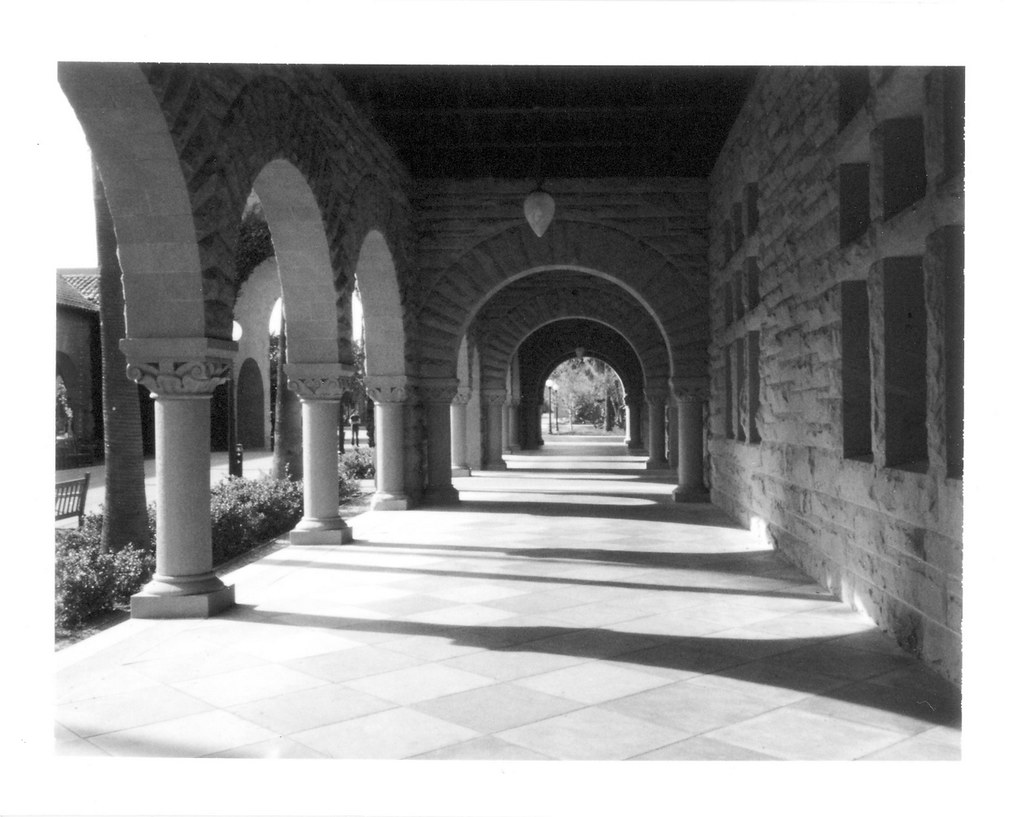
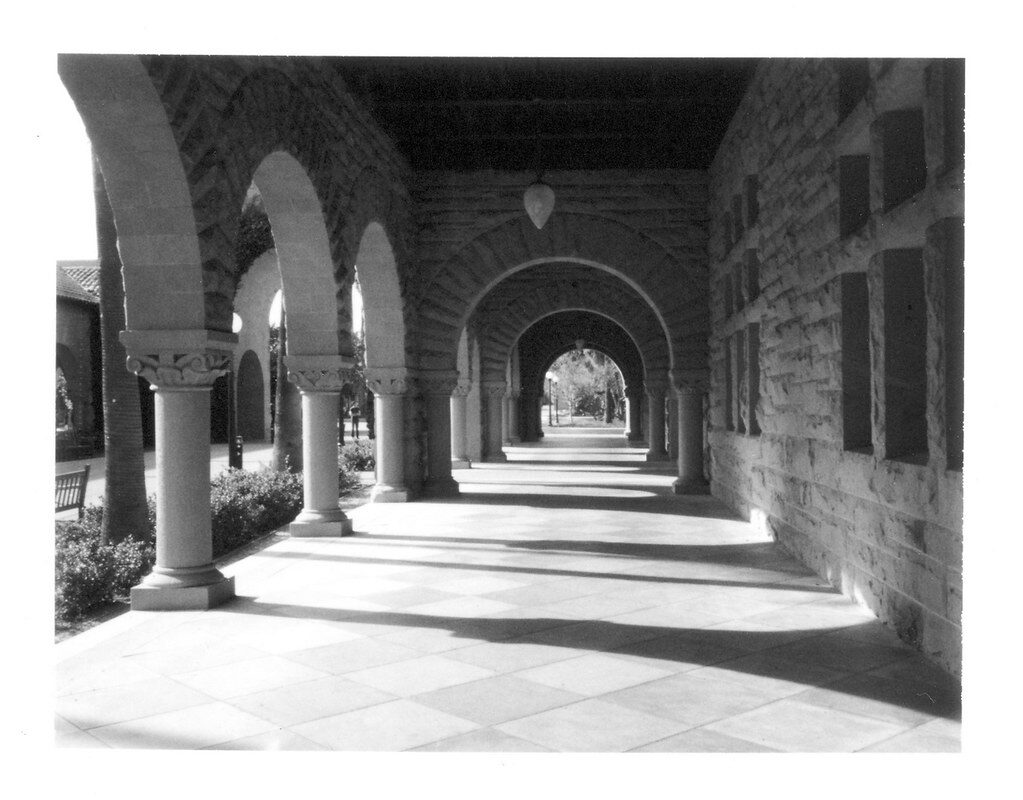
Sandstone arcade at Stanford, the campus behind the Knight-Hennessy Scholars deadline
Knight-Hennessy scholars pursue any full-time graduate degree at Stanford.

What the award actually covers

Knight-Hennessy funds up to three years of any graduate degree at Stanford. According to the
program’s funding page,
each of the first three years includes:

  • A fellowship applied directly to tuition and associated fees
  • A stipend for living and academic expenses
  • A travel stipend for one annual economy round-trip to Stanford
  • A one-time relocation stipend for newly enrolling scholars

For degrees that run longer than three years, such as a PhD or MD, the degree program funds the
remaining years under its own standard commitment. The stipend is taxable, and the program does not
reimburse taxes, so budget for that.

The scale of the award is what sets it apart. Knight-Hennessy is one of the largest fully funded
graduate fellowships in the world, and it is open across every discipline Stanford teaches. There are no
quotas by field or world region. That breadth is rare. Most large scholarships tie you to one subject or
one degree; this one follows you into whatever full-time Stanford graduate program admits you.

Who is eligible for the Knight-Hennessy Scholars deadline

The program encourages applicants from every country and sets no quotas by discipline or world region.
Two baseline rules apply. First, you must also apply to, be admitted to, and enrol in a full-time Stanford
graduate program. Second, you must have earned your first bachelor’s degree in January 2020 or later.
Applicants who served in the military get two extra years of eligibility.

This is the crucial catch: Knight-Hennessy and Stanford graduate admission are two separate
applications. Your degree program deadline may fall before or after 6 October, and it varies by program.
Confirm it directly with the department.

What to do before the deadline closes

With under two weeks left, work backwards from 6 October.

  1. Lock your recommenders today. Two letters take the longest and are outside your control.
  2. Draft the essays and short answers. The program wants evidence of independence of thought, purposeful leadership and a civic mindset.
  3. Confirm your Stanford program deadline. Missing that application makes you ineligible for Knight-Hennessy, even with a perfect scholarship submission.
  4. Check transcripts and test scores. Order anything that ships slowly now.

If Stanford is one of several targets, keep other funded routes open. Our guides to the
Chevening scholarship deadline
and the DAAD EPOS scholarship
cover fully funded options in the UK and Germany with their own autumn timelines.

Working back from 6 October

The single most common way strong candidates fail is treating the two applications as one. They are not.
Knight-Hennessy closes on 6 October; your Stanford degree program has its own deadline, which for some
programs is the earlier of its own date or 1 December 2026. Map both dates now. Then protect the recommender
timeline, because a late letter can sink an otherwise excellent file. If you cannot finish a competitive
application by 6 October, it is usually better to aim for next year’s cycle than to submit a rushed one.

Common questions about applying

When is the Knight-Hennessy Scholars deadline?

The application to join the 2027 cohort closes at 1:00pm Pacific Time on 6 October 2026. The deadline is the same for all applicants regardless of degree program.

What does the scholarship cover?

Full funding for up to three years of any Stanford graduate degree: a fellowship covering tuition and fees, a living stipend, a travel stipend, and a one-time relocation stipend for new scholars.

Who can apply?

Citizens and residents of any country. You must also apply to and be admitted to a full-time Stanford graduate program, and you must have earned your first bachelor’s degree in January 2020 or later.

Do I need to apply to Stanford separately?

Yes. Knight-Hennessy is separate from Stanford graduate admission. You submit two applications, and the graduate program deadline can differ from the 6 October Knight-Hennessy date.

Does it cover PhD or MD programs longer than three years?

Knight-Hennessy funds up to three years. For longer programs such as a PhD or MD, the degree program covers the remaining years under its own standard funding commitment.

Can I defer a Knight-Hennessy offer?

No. The program does not defer scholar offers. If selected and unable to enrol, you must reapply for the year you intend to start.

Sources

Featured image: Stanford campus arcade, photo by DanWri, licensed CC BY.
The Fulbright Route to a Funded US Master’s Opens Soon

A funded US degree is not a fantasy reserved for geniuses. Every year the Fulbright Foreign Student Program sends ordinary, driven people to American universities with tuition, living costs, and airfare paid. Applications for 2027 study open across the coming weeks, with most country deadlines landing in September and October 2026. If a master’s or PhD in the United States sits on your dream list, this is the route worth understanding now, long before the forms are due.

By the Travel Explore editorial desk. Last updated 17 July 2026.

Skip ahead

What the Fulbright Foreign Student Program covers

Money is the headline. The Fulbright Foreign Student Program funds a full master’s or PhD in the United States, covering tuition, a living stipend, airfare, and health cover. The US Department of State runs it for “graduate students, young professionals and artists.” This is not a loan. It is a grant, and it comes with J-1 exchange status. That status usually carries a rule to return home for two years after your studies, which shapes long-term plans.

Chasing a funded degree abroad? Explore your options at https://wa.link/i9l1ec

Who the program looks for

Strong grades help, but leadership and impact matter more. Take Linh, a public-health graduate from Hanoi who ran a rural vaccination drive between jobs. That story carries weight. Selection favours people who will return home and put the degree to work. Most tracks want relevant experience, a sharp study plan, and evidence you will give back. Brilliance alone rarely wins. A clear purpose usually does.

Building an application that stands out

Start early. The program runs through the Fulbright Commission or US Embassy in your country, and 2027 deadlines cluster between September and October 2026. Draft a focused study objective, line up referees who know your work, and prepare for English testing. Small details sink strong candidates, so proofread everything. Check your wider study-abroad eligibility with our visa eligibility checker while you build the file.

Key points at a glance

  • The Fulbright Foreign Student Program funds a full US master’s or PhD.
  • It covers tuition, living costs, airfare, and health insurance.
  • Most 2027 deadlines fall between September and October 2026.
  • Selection favours leadership, impact, and a plan to return home.

Fulbright Foreign Student Program: key questions

Is the Fulbright Foreign Student Program fully funded?

Yes. It covers tuition, living costs, airfare, and health insurance for the study period.

What visa do Fulbright students use?

The J-1 exchange visitor visa, which usually carries a two-year home-residency requirement.

When are the 2027 deadlines?

Most country deadlines fall between September and October 2026. Check your local Fulbright commission.

Do I need work experience?

Many tracks prefer relevant experience and a clear plan to use the degree back home.

More funded-study routes

Share this story

  • LinkedIn: A fully funded US master’s is closer than you think. The Fulbright 2027 window is opening. Here is how it works.
  • Twitter: Fulbright Foreign Student Program 2027: tuition, stipend, airfare covered. Deadlines Sept-Oct 2026. Save this.
  • Facebook: Dreaming of studying in the US for free? The Fulbright route opens soon. Read before you apply.

Start your funded-study journey

A funded US degree can change a career and a family’s path. Give yourself months, not days, to build a strong case, and begin planning today at https://wa.link/i9l1ec

Sources

The US Is Ending Open-Ended Student Visas: What It Means for You

September 2026. That is the earliest a rule that reshapes American student immigration could take effect. The US student visa rule that let international students stay for the full length of their studies is set to be replaced by a hard four-year cap on admission. Millions of F-1 and J-1 holders would feel it. If you plan to study, research, or send a child to a US campus, the clock has started.

By the Travel Explore editorial desk. Last updated 12 July 2026.

In this article

What the new US student visa rule changes

For decades, F-1 students were admitted for “duration of status,” meaning they could stay as long as they stayed enrolled. The Department of Homeland Security wants to end that. Its final rule, cleared by White House review in June 2026, would set a fixed admission period tied to your program length, capped at four years. DHS proposed admission “not to exceed a four-year period.” Longer degrees, most PhDs, and many research fellowships run past that line. Those students would file an extension with USCIS, pay a fee, and wait. The rule publishes in the Federal Register, then takes effect 60 days later.

Who gets hit hardest, and when

The pain lands on long programs and anyone who changes course mid-degree. Consider a Chinese researcher on a five-year doctoral track. Under the old system her stay simply followed her studies. Under the new one she must apply to extend before year four ends, with no guarantee of timing. Undergraduates on standard four-year degrees are mostly fine on day one, but a switched major, a gap semester, or a transfer can push them over. Grace periods shrink too. The safest read: treat every extra semester as something you must actively request, not something you keep by default.

Five moves to make before it lands

Do not wait for the headlines to settle. Map your I-20 end date now. Diarise an extension window at least six months before any four-year mark. Keep your SEVIS record spotless, because a fixed clock punishes small lapses. Budget for the I-539 extension fee. And talk to your Designated School Official early, not the week before. Two words. Plan backwards. A student who prepares in 2026 will glide through a transition that catches unprepared classmates in 2027.

Not sure how the change affects your pathway? Run your profile through our free visa eligibility checker and see where you stand in minutes: https://wa.link/i9l1ec

The short version

  • The open-ended F-1 and J-1 stay is being replaced with a four-year admission cap.
  • Programs longer than four years need a USCIS extension, with a fee and a wait.
  • The final rule takes effect 60 days after it publishes in the Federal Register.
  • Track your I-20 date and file extensions early to protect your status.

Questions students keep asking

Does the US student visa rule affect current F-1 holders? Existing students transition to the new fixed system at their next key benefit, such as a program extension or level change, so review your dates now.

What happens if my degree is longer than four years? You apply to extend your stay with USCIS on Form I-539, pay the fee, and should file well before your admission period ends.

Is OPT going away? No. Optional Practical Training is separate, though a fixed admission clock makes clean, on-time filing more important than ever.

When does the rule start? It becomes effective 60 days after publication in the Federal Register, which could be as early as autumn 2026.

Related reads

Share this story

  • LinkedIn: The US just put a four-year clock on student visas. Here is what every applicant should do first.
  • Twitter: Open-ended F-1 stays are ending. A hard 4-year cap is coming. Protect your status early.
  • Facebook: Studying in America? The rules on how long you can stay are changing. Read this before you apply.

Get your US study plan checked before the rules shift

A four-year cap rewards students who plan ahead and punishes those who improvise. Get your timeline, extensions, and backup options mapped now, and walk into 2027 with a strategy instead of a scramble. Start with our free tools and country guides at https://wa.link/i9l1ec

Sources


Tapay copy tradingGrow your money while you plan your moveTapay auto-copies a live trading strategy to your own account — spot & futures. Start free on demo, go live when you’re ready.Start free →