• Mon - Fri 9.00 - 19.00

Yearly Archives: 2026

Typhoon Dujuan Grounded 275 Flights Into Tokyo — Right in the Middle of a Holiday Rush

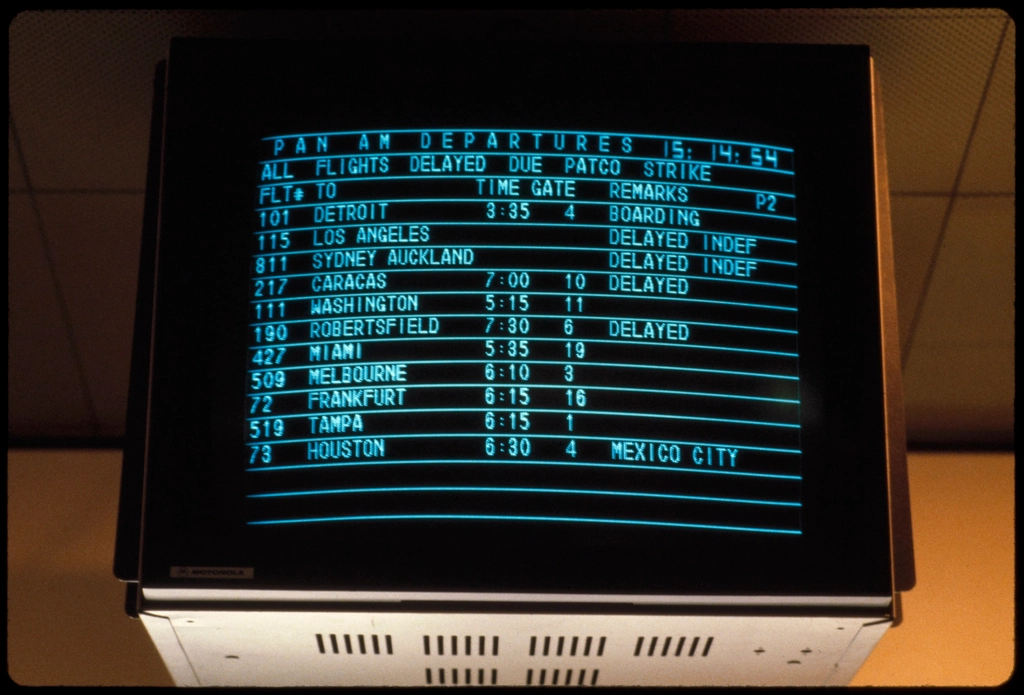
Typhoon Dujuan forced at least 275 flight cancellations across Tokyo’s two main airports on 21 September. As the storm brought record-threatening rainfall to the Japanese capital during a busy holiday period. The Typhoon Dujuan Tokyo flights disruption hit both Haneda and Narita. With Japan Airlines and All Nippon Airways cancelling the bulk of the affected services.
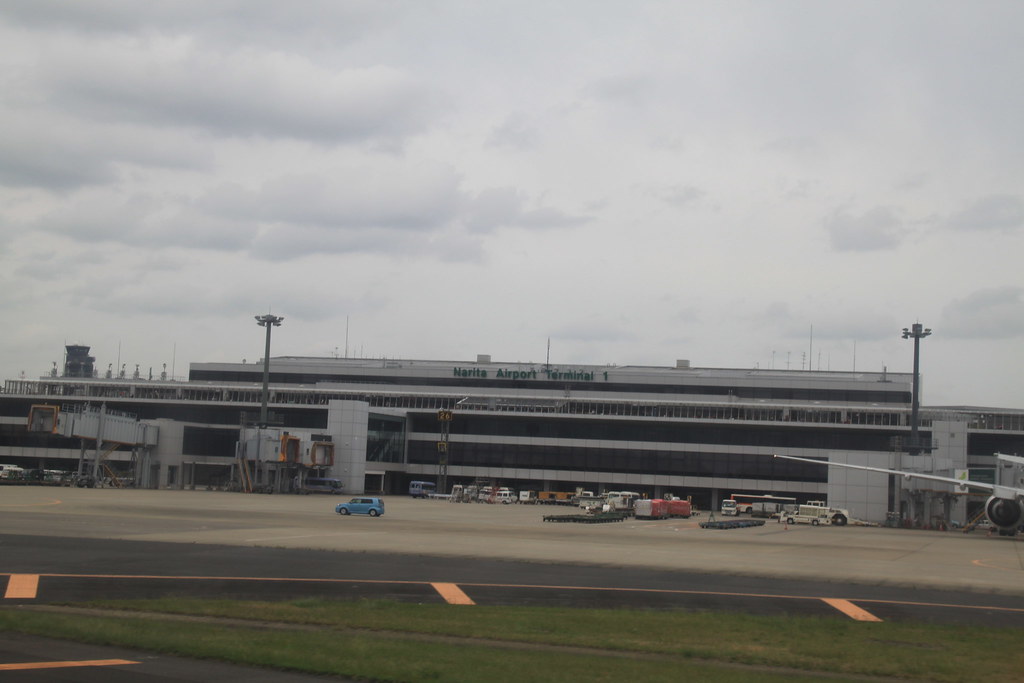
Passengers at a Tokyo airport terminal after Typhoon Dujuan Tokyo flights were cancelled

How bad the Typhoon Dujuan Tokyo flights disruption got

Japan Airlines cancelled 120 domestic flights and 15 international services. Meanwhile, all Nippon Airways cancelled 140 domestic flights as the storm approached. The Japan Meteorological Agency warned that total rainfall through Tuesday could exceed the average monthly total for September. A threshold that typically forces airlines into precautionary cancellations well before the worst of a storm actually arrives.

Typhoon Dujuan reached a central atmospheric pressure of 965 hectopascals as it neared the Japanese coast. With wind gusts up to 180 kilometers per hour. Those readings put it firmly in the range that triggers mandatory ground-stop procedures at Japan’s busiest airports.

Why the timing made this worse

The disruption landed during a five-day holiday period in Japan, a stretch when domestic leisure travel typically peaks. That timing amplified the practical impact for travelers far beyond the raw cancellation count. That is because rebooking options on already-full holiday-period flights were scarcer than they would be during an off-peak storm. International carriers including WestJet issued flexible-booking advisories for Tokyo Narita services spanning 19 to 21 September. Anticipating the disruption days ahead of the storm’s actual arrival.

Hotels and rail operators in the greater Tokyo area also reported disruption. Shinkansen services on several lines running through the storm’s path ran reduced schedules as a precaution. Compounding the travel headache for anyone attempting to route around the airport cancellations by train instead. Convenience stores and supermarkets in low-lying parts of the metro area reported temporary stock shortages as residents prepared for the rainfall warnings. A reminder that airport disruption was only one visible piece of a broader regional weather response.

How this compares with other regional storm disruptions

Typhoon season disruptions at Tokyo’s airports are not unusual. But the scale of this event, with cancellations at both Haneda and Narita simultaneously. Put it among the more disruptive storms to hit the region this year. The overlap with a national holiday period also meant knock-on effects for connecting international travelers using Tokyo as a transit hub. Not just domestic Japanese travelers.

Regional aviation trackers note that simultaneous disruption at both of Tokyo’s major airports is less common than disruption at just one. That is because haneda and Narita sit far enough apart that storms sometimes affect one more severely than the other. Dujuan’s size and track put both directly in its path. This is part of why the 275-flight tally climbed as high as it did compared with typical September storm events in the region.

Insurance industry estimates for typhoon-related travel claims typically lag the event itself by several weeks. But early assessments from travel insurers suggest this storm will generate a higher-than-average volume of claims given the holiday-period timing. Travelers whose trips were disrupted are being advised to keep all rebooking correspondence and receipts. That is because claims processing depends heavily on documentation of the specific cancellation notice each airline issued.

Foreign visitors caught in the disruption faced an added complication. Many had booked the holiday period specifically because it aligned with school breaks in their home countries, leaving little flexibility to extend a Tokyo stay by a day or two while waiting out the storm. Airport staff at both Haneda and Narita set up additional rebooking counters to handle the volume. Still, wait times still stretched past two hours at peak points during the worst of the disruption.

For travelers with flights booked through Tokyo in the coming weeks. Meteorologists note that late-September typhoon activity in the Western Pacific has been above average this year. That means a repeat disruption before the season winds down in October cannot be ruled out. Checking a carrier’s weather advisory page a day or two before departure has become standard practice for frequent Tokyo travelers this season.

What happens next for Tokyo air travel

Airlines typically resume full schedules within a day or two once a typhoon clears the immediate area. Assuming no runway or terminal damage requires longer repairs. Japan Airlines and All Nippon Airways both advised passengers to keep checking flight status directly rather than relying on a fixed resumption date. That is because post-storm schedule recovery depends on how quickly ground crews can clear standing water and resume normal ground operations at both airports.

Frequently asked questions

How many flights were cancelled because of Typhoon Dujuan?
At least 275 flights were cancelled across Tokyo’s Haneda and Narita airports on 21 September.

Which airlines cancelled the most flights?
Japan Airlines cancelled 120 domestic and 15 international flights, while All Nippon Airways cancelled 140 domestic services.

How strong was Typhoon Dujuan?
The storm reached a central pressure of 965 hectopascals with wind gusts up to 180 kilometers per hour as it neared the Japanese coast.

Why did this disruption affect so many travelers?
It coincided with a five-day holiday period in Japan, when domestic leisure travel and flight bookings were already at their peak.

When will flight schedules return to normal?
Airlines typically resume full schedules within a day or two once a typhoon clears, but passengers should check flight status directly rather than assume a fixed date.

Related coverage

Sources

Brussels Just Sent Its First Round of AI Audit Letters — Here’s Who Got One

The European Commission’s AI Office has opened its first wave of formal compliance checks under the bloc’s AI Act. Sending information requests to more than 30 AI model providers. These EU AI Act compliance audits mark the first concrete use of the law’s investigative powers since high-risk obligations became applicable in August.

Compliance documents reviewed during EU AI Act compliance audits

How the EU AI Act compliance audits are structured

The European AI Office in Brussels is working alongside 24 national market surveillance authorities on the first scheduled inspection wave. France’s CNIL, Germany’s BfDI and Spain’s AESIA are focusing their initial requests on three specific sectors. Automated resume screening tools used in human resources, algorithmic credit assessment systems in retail banking. And aI triage tools deployed in private healthcare clinics. Those three sectors were chosen because they combine high-risk classification under the Act with large numbers of affected consumers.

Regulators are examining whether providers maintained the technical documentation required under Article 11 and Annex IV of the Act. That includes version-controlled model weights, pre-processing scripts and detailed descriptions of human-override mechanisms built into each system.

Which AI systems fall under scrutiny

The scope of the audits covers systems deployed after 2 August 2026. The date high-risk obligations under the Act became fully applicable. Any model released or meaningfully updated since that date in one of the three targeted sectors is now subject to inspection. Providers outside those three sectors are not exempt long-term. Regulators have signaled this is the first of several planned waves rather than a one-time exercise.

Legal advisers working with AI vendors say the sector selection was deliberate. Resume screening, credit scoring and medical triage all involve automated decisions that directly affect individual consumers’ access to jobs. Loans and healthcare, making them the clearest test cases for whether the Act’s human-oversight requirements function in practice rather than only on paper. A weak response from providers in these three sectors would likely accelerate scrutiny of AI systems in other consumer-facing industries sooner than originally planned.

How this differs from August’s transparency rules

This audit wave is distinct from the transparency requirements that took effect in late August. This focused on disclosure obligations for general-purpose AI models regardless of sector. The current compliance checks go further, testing whether companies can actually produce the technical documentation the law requires. Not just whether they have published the right disclosures. Companies that met the August transparency deadline are not automatically in the clear for this new documentation-focused review.

That distinction matters for compliance planning. A company can publish a fully compliant transparency notice while still lacking the underlying version-controlled documentation regulators are now requesting. That is because the two requirements test different things. What a company tells the public versus what a company can actually prove internally. Companies that treated the August deadline as the finish line for EU AI Act compliance are now discovering it was closer to a starting point.

Compliance consultants working with mid-size AI vendors report a scramble in the days since the requests went out. As legal and engineering teams try to reconstruct documentation for models that were built and shipped quickly during the competitive rush of the past two years. For companies that treated documentation as an afterthought while racing to deploy. The audit letters have turned into an unplanned. Resource-intensive project with a regulator-set deadline rather than an internal one.

Smaller AI startups face a particular bind. Unlike the largest labs. Many lack dedicated compliance staff and had assumed enforcement would focus first on the biggest. Most visible model providers. The decision to open initial audits within three sector-specific use cases rather than by company size caught some smaller vendors in HR-tech and health-tech off guard. That is because a startup with a single flagship product in one of these three sectors now faces the same documentation demands as a much larger competitor.

What happens next for audited companies

Companies that receive information requests typically have a defined window to respond with documentation before regulators decide whether to escalate to a formal investigation. The EU AI Act allows for significant fines for non-compliance, scaled to global revenue for the largest providers. Given that this is the first wave of a stated multi-wave process. How these initial 30-plus companies respond is likely to shape enforcement patterns for every subsequent round. That includes in sectors beyond the three targeted so far.

Frequently asked questions

Who is conducting the EU AI Act compliance audits?
The European Commission’s AI Office in Brussels, working with 24 national market surveillance authorities including France’s CNIL, Germany’s BfDI and Spain’s AESIA.

Which sectors are being audited first?
Automated resume screening in HR, algorithmic credit assessment in retail banking, and AI triage tools in private healthcare clinics.

What documentation are regulators requesting?
Technical files required under Article 11 and Annex IV, including version-controlled model weights, pre-processing scripts and descriptions of human-override mechanisms.

Which AI systems are covered?
Systems deployed after 2 August 2026, when high-risk obligations under the EU AI Act became fully applicable.

Is this different from the August transparency rules?
Yes. The August rules covered disclosure obligations for general-purpose models, while this audit wave tests whether companies can produce required technical documentation.

Related coverage

Sources

Chipmakers Are Rallying Again — And It’s Not About Earnings This Time

Asian and US stocks climbed this week as falling oil prices and easing Treasury yields lifted risk appetite across markets. The stock market AI trade rally centered on chipmakers. This gained ground as investors bet that easing Middle East tensions would remove one of the biggest overhangs on tech valuations this quarter.

New York Stock Exchange building during the stock market AI trade rally

What’s fueling the stock market AI trade rally

The rally followed a familiar pattern this year: geopolitical relief translating directly into tech-sector buying. As oil prices fell and hopes rose for diplomatic progress in the Iran war. Asian markets were poised to extend a tech-fueled rally that began on Wall Street. Chipmakers led the move. Recovering ground lost during weeks when war-risk pricing weighed on the sector regardless of company-specific fundamentals.

The timing matters. This rally comes just days after the Federal Reserve’s first rate hike since 2023. A move that in isolation would typically pressure growth stocks like chipmakers. Instead, the geopolitical relief trade has, for now, outweighed the rate-hike drag.

How this fits the AI trade’s rough September

Chipmakers had a mixed month before this rally. Broadcom lost ground after investors reacted negatively to its fourth-quarter revenue forecast. Even though the company had beaten earnings estimates. Nvidia, meanwhile, made its second-biggest acquisition of the year, a deal for Hugging Face. Showing the AI infrastructure buildout continuing even as individual stock reactions stayed choppy. The current rally suggests investors are separating company-specific earnings jitters from the sector-wide war-risk discount that had been dragging on chip valuations broadly.

Nvidia’s Hugging Face acquisition offers a useful contrast. The deal itself was announced before this week’s rally began. Yet Nvidia shares moved with the broader chip sector rather than trading independently on the acquisition’s own merits. That pattern, where sector-wide sentiment overwhelms company-specific news. Has been a defining feature of chip stock behavior since the war escalated. And it is part of why individual earnings beats or misses have mattered less than usual this quarter.

Why bond yields matter to this story

Falling Treasury yields did as much work as oil prices in this rally. Higher yields make future tech earnings worth less in today’s dollars. This is part of why growth stocks sold off when yields hit a 20-month high earlier this month. The reversal in yields alongside the oil-price drop created a rare double tailwind for the sector. One that traders are treating as a bet on Iran de-escalation rather than a shift in underlying AI demand.

Fixed-income strategists note that this kind of dual tailwind. Falling yields and falling oil together, is unusual outside of a clear recession signal. This is not what’s happening here. Instead, both moves trace back to the same single catalyst: reduced war-risk pricing. That makes this rally more fragile than a typical yield-driven rotation into growth stocks. That is because it depends on a diplomatic outcome rather than a change in underlying economic fundamentals like inflation or employment data.

Portfolio managers who lived through the April and July collapses of earlier ceasefire attempts say they are treating this rally more cautiously than the headline gains suggest. Keeping hedges in place even while adding to chip positions. That mixed positioning, buying the rally while hedging against its reversal. Reflects a market that has learned not to fully trust Iran de-escalation headlines until a signed agreement actually holds for more than a few weeks.

Retail investors have piled into chip-sector exchange-traded funds during the rally at a faster pace than institutional flows would typically suggest is warranted this early in a diplomatic process. That is according to fund-flow data tracked by several market research desks. That gap between retail enthusiasm and institutional caution has, in prior rallies tied to this conflict. Tended to widen just before a reversal. Making it one more signal worth watching alongside the underlying ceasefire talks themselves.

What happens next for the AI trade

The rally’s durability depends heavily on whether the current round of ceasefire diplomacy holds. Prior diplomatic tracks between the US and Iran broke down within weeks in both April and July. Each time reversing the market optimism that preceded them. Investors watching the chip sector are treating this as a geopolitics trade first and an earnings trade second. That means any new incident near the Strait of Hormuz could unwind the gains as quickly as they appeared.

Frequently asked questions

What’s driving the stock market AI trade rally?
Falling oil prices and easing Treasury yields, both tied to hopes for Iran war de-escalation, are lifting chipmaker stocks this week.

Did the Fed’s rate hike hurt the rally?
The Fed raised rates for the first time since 2023 just days earlier, which would typically pressure growth stocks, but geopolitical relief has outweighed that drag so far.

How did Broadcom and Nvidia factor in?
Broadcom fell on a soft revenue forecast despite beating earnings, while Nvidia made a major acquisition of Hugging Face, showing mixed company-specific signals within the broader rally.

Why do bond yields matter to chip stocks?
Higher yields reduce the present value of future tech earnings, so falling yields alongside falling oil prices created an unusually strong tailwind for the sector.

Could this rally reverse quickly?
Yes. Prior Iran diplomatic tracks collapsed within weeks in April and July, and a new incident near the Strait of Hormuz could unwind the gains just as fast.

Related coverage

Sources

A Quiet ATC Software Swap Is Snarling Flights Into Boston, Newark and Philadelphia

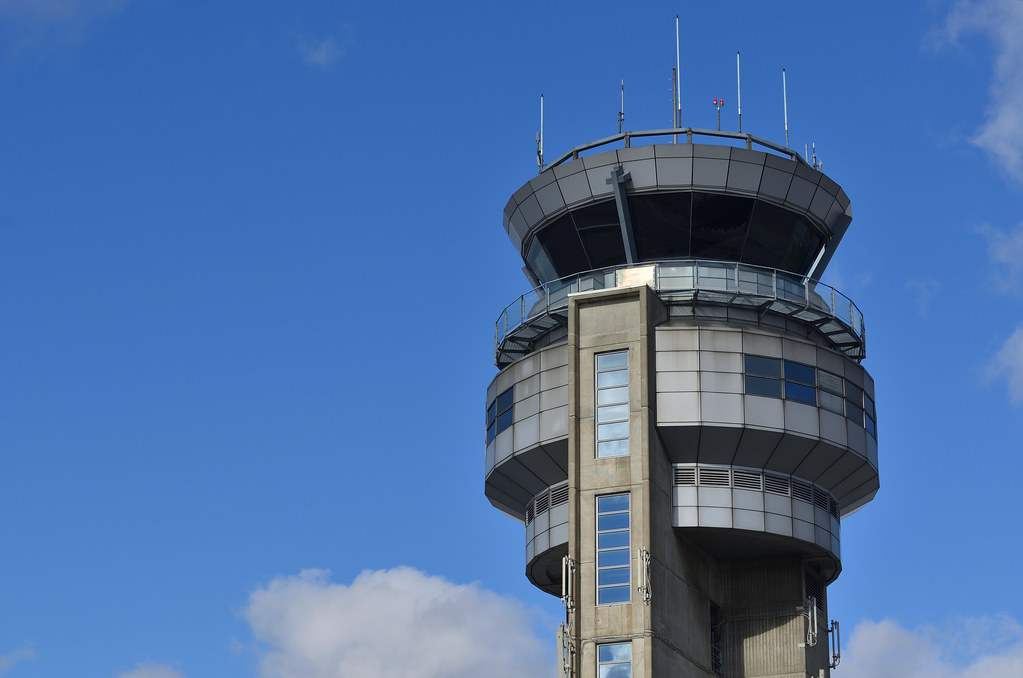
An air traffic control equipment change across the Northeastern United States is disrupting flights into three major airports this week. The Northeastern US flight disruptions run from Monday 21 to Tuesday 22 September. Affecting KLM and other carriers flying to, from or via Boston Logan, Newark Liberty and Philadelphia International.

Air traffic control tower amid Northeastern US flight disruptions

What’s behind the Northeastern US flight disruptions

Airlines including KLM have warned passengers that some flights connecting through the three airports may face delays or rebooking during the two-day window. The disruption stems from an equipment change inside the region’s air traffic control system rather than weather or a labor action. This typically means shorter, more predictable delay windows once the swap is complete. But can still cause knock-on schedule problems across a busy travel corridor.

The three airports handle a heavy share of transatlantic and domestic connecting traffic on the US East Coast. So even a short technical window can ripple into missed connections well beyond the region itself.

How this compares with the broader US delay surge

This week’s disruption follows a rougher stretch for US aviation more broadly. Earlier this month, the country logged 868 delays in a single day. A surge attributed to a mix of staffing and system strain across multiple regional control centers. Britain’s own NATS air traffic system produced a separate high-profile failure report during the same period. Aviation regulators on both sides of the Atlantic have faced pressure this year to modernize legacy control infrastructure without triggering the very disruptions that infrastructure work often causes in the short term.

What travelers through the three airports should expect

Airlines are offering flexible rebooking for affected itineraries rather than blanket cancellations. Passengers with connections through Boston. Newark or Philadelphia during the window should check flight status directly with their carrier before heading to the airport. That is because equipment-change windows can shift delay patterns hour to hour rather than producing a single predictable disruption period.

Travel advisers recommend building in extra connection time for any itinerary routed through the three airports this week. That matters most for international travelers whose onward flights may not accommodate a missed domestic connection. Airport lounges and customer service desks at all three facilities have reported higher-than-normal foot traffic since the equipment change window opened. A sign that even short technical disruptions can strain terminal operations well beyond the runway itself.

What happens once the equipment change finishes

Once the swap is complete, normal traffic flow is expected to resume without a lingering backlog. Based on how similar regional ATC upgrades have played out elsewhere this year. The bigger open question is whether this becomes a template for further modernization work at other East Coast facilities. This would mean more short. Scheduled disruption windows like this one rather than the kind of open-ended system failure Britain’s NATS report examined.

Aviation analysts note that scheduled, announced disruptions like this one are generally preferable to the alternative. Unplanned system failures that give airlines and passengers no advance warning at all. The Northeastern corridor’s aging control infrastructure has been flagged for modernization for years. And this week’s window, disruptive as it is for affected travelers. Represents exactly the kind of proactive maintenance regulators have been pushing airports to schedule rather than defer.

Industry groups representing East Coast airports have called for more advance public notice ahead of future maintenance windows. Arguing that a longer lead time would let travel agents and corporate travel managers adjust bookings before disruption hits rather than scrambling once flights are already affected. The Federal Aviation Administration has not indicated whether it plans to change its notification timeline for similar upgrades planned at other facilities in the region over the coming year.

Business travel managers at several large employers in the Boston and New York corridors say they have already rerouted staff through secondary airports where possible for the duration of the window. A workaround that adds cost and travel time but avoids the uncertainty of connections through the three affected hubs. That kind of informal rerouting, multiplied across thousands of individual travelers. Is part of why even a short technical disruption can produce outsized ripple effects across the region’s broader travel economy.

For most leisure travelers, though, the practical advice stays simple. Check the airline’s app or website before leaving for the airport. Build in extra buffer time for any connection routed through the three affected hubs. And expect the disruption to resolve on its own schedule once the equipment change window closes on Tuesday.

Frequently asked questions

Which airports are affected by the Northeastern US flight disruptions?
Boston Logan, Newark Liberty and Philadelphia International are the three airports affected by the equipment change window.

What caused this specific disruption?
An air traffic control equipment change in the Northeastern US, running from 21 to 22 September, rather than weather or a labor dispute.

Which airlines have warned passengers?
KLM has issued advisories for flights to, from or via the three affected airports, and other carriers serving the region may see similar schedule effects.

Is this connected to the earlier US flight delay surge?
It follows a separate incident earlier in September when the US logged 868 delays in a single day, though the causes are distinct.

Should I rebook my flight through these airports?
Airlines are offering flexible rebooking for affected itineraries. Check your carrier’s flight status directly before departing for the airport.

Related coverage

Sources

Trump Just Extended the $100,000 H-1B Fee Through 2027 — Even Though Courts Blocked It

President Trump has extended the $100,000 H-1B fee requirement for another year. Even so, a federal court order currently blocks US Citizenship and Immigration Services from collecting it. The H-1B fee extension, signed as a proclamation on 18 September. Pushes the fee’s expiration date to 21 September 2027 for covered petitions involving workers outside the United States.

A US consulate visa window tied to the H-1B fee extension

What the H-1B fee extension actually changes

The proclamation, titled “Restriction on Entry of Certain Nonimmigrant Workers,” extends a fee first imposed in September 2025. USCIS collected it for nearly a year before a district court blocked enforcement in the summer of 2026. That court order remains in effect. So employers are not currently being charged the fee even though the underlying policy has been renewed. The extension matters because it signals the administration’s intent once litigation resolves. It is not an immediate new cost for employers filing H-1B petitions today.

The proclamation arrived alongside a separate executive order. “Enhancing Program Integrity and Interagency Coordination in the Administration of the H-1B Nonimmigrant Visa Program,” issued the same week. That order directs the Departments of Labor, Homeland Security and State to scrutinize an employer’s layoffs. That includes contemplated ones, throughout the H-1B process.

Why the layoff-scrutiny order matters more right now

Immigration attorneys tracking the filings say the layoff-review directive could have a more immediate effect than the fee extension. That is precisely because the fee itself is tied up in court. Employers planning workforce reductions while also sponsoring H-1B workers now face closer federal review of that overlap. The order does not set a specific numeric threshold for what counts as disqualifying layoff activity, leaving significant discretion to the agencies implementing it.

Immigration lawyers advising employers say the practical effect is a chilling one. This holds regardless of how the fee litigation eventually resolves. Companies now have to document and justify workforce decisions with an eye toward federal review that did not exist before this month. Even for routine restructuring unrelated to H-1B hiring. That documentation burden falls hardest on mid-size employers who lack in-house immigration counsel and previously treated H-1B sponsorship as a straightforward filing process.

How this fits the broader H-1B tightening this year

The fee extension is the latest in a string of changes to the program this year. Following a new weighted selection process for the FY2027 H-1B lottery and a $250 visa integrity fee applied across most visa categories. Employers who adjusted hiring plans around the original fee’s September 2025 introduction are now watching the court case closely. That is because a reversal on appeal could revive collection well before the new 2027 expiration date arrives.

Universities and hospital systems. This rely on H-1B sponsorship for specialized researchers and physicians. Have been especially vocal about the cumulative effect of these changes. Individually, the weighted lottery, the integrity fee and the fee extension each address a narrow policy goal. Taken together, employer groups argue the combined cost and compliance burden is reshaping which organizations can realistically sponsor foreign talent at all. Favoring large corporations with dedicated immigration teams over smaller research institutions and regional hospital networks.

Some employers are responding by shifting recruitment toward other visa categories or expanding remote-work arrangements for candidates who can perform the role from outside the United States entirely. Sidestepping the H-1B process altogether where the job allows it. That workaround is not available for roles requiring an on-site presence, such as most clinical and laboratory positions. This is part of why hospital systems in particular have struggled to adapt to the accumulating cost of this year’s changes.

Foreign nationals already working in H-1B status face a quieter but no less real form of uncertainty: renewal timing. Attorneys say some employers have begun filing extensions earlier than usual. Worried that further policy shifts could complicate the process closer to an employee’s actual expiration date. That defensive filing pattern adds its own processing burden to an already strained USCIS system. Even before accounting for the litigation still working through the courts.

What happens next for H-1B employers

The fee remains unenforceable while the district court’s block stands. And the administration has not indicated whether it will appeal that specific ruling on an expedited basis. Employers filing new H-1B petitions for workers outside the US should watch both tracks separately: the fee litigation. And the newly active layoff-scrutiny process. This is not currently subject to any injunction and applies regardless of how the fee case resolves.

Frequently asked questions

Is the $100,000 H-1B fee being collected right now?
No. A federal district court order from summer 2026 currently blocks USCIS from collecting it, even though the underlying proclamation has been extended.

How long was the fee extended?
The proclamation extends the fee requirement through 21 September 2027 for covered H-1B cases involving workers outside the United States.

What does the new executive order do?
It directs the Departments of Labor, Homeland Security and State to scrutinize an H-1B employer’s layoffs and contemplated layoffs throughout the visa process.

Does the layoff-scrutiny order apply even with the fee blocked?
Yes. It is not covered by the court order blocking fee collection and applies to H-1B petitions now.

What other H-1B changes happened this year?
A weighted selection process for the FY2027 lottery and a $250 visa integrity fee applied across most visa categories both took effect earlier in 2026.

Related coverage

Sources

  • The White House — Fact Sheet: President Donald J. Trump Further Enhances Program Integrity and Interagency Coordination in the H-1B Visa Program. whitehouse.gov/fact-sheets/2026/09
  • Fragomen — President Trump Extends $100,000 H-1B Fee, But Policy Currently Vacated by Court Order. fragomen.com/insights