• Mon - Fri 9.00 - 19.00

Yearly Archives: 2026

Oil Just Had Its Worst Week in Months — Here’s the Iran Angle Nobody’s Pricing In

Crude oil fell to $95.59 a barrel on 21 September, down more than 9% over four sessions. As traders bet on de-escalation in the Middle East. The drop in oil prices Iran war fears reflects a sharp reversal from earlier weeks. When the same conflict pushed prices higher. West Texas Intermediate held near $96 a barrel while Brent settled above $100.

Crude oil barrels stacked as oil prices Iran war fears ease

What’s driving the oil prices Iran war fears reversal

The decline followed reports that President Trump had decided against bombing Yemen for now and signaled openness to diplomacy with Iran. That single signal did more to move the market than weeks of supply data. Oil traders have spent months treating this conflict as a one-way risk to prices. The past few sessions show that assumption can break just as fast as it formed.

The move also lines up with the broader diplomatic push described in this outlet’s separate coverage of Qatar- and Pakistan-mediated ceasefire talks. When mediators report progress, oil desks react within hours, well before any formal agreement is signed.

Why Saudi supply data tells a different story

Despite the price drop, actual oil supply has not eased in a straightforward way. Satellite data reviewed by energy trackers shows Saudi Arabia’s observed loadings from inside the Persian Gulf jumping in recent days. A sign the kingdom is shifting exports back toward the Strait of Hormuz after a cross-country pipeline shutdown. That pipeline had rerouted Saudi barrels away from the strait during the worst of the fighting. Its return to service suggests Riyadh, at least, is positioning for calmer waters ahead. Even if a formal ceasefire has not been signed.

Traders parsing the satellite data note a distinction worth watching. Rising loadings do not necessarily mean rising total output. Saudi Arabia may simply be redistributing existing production toward its traditional export route rather than pumping more crude overall. That nuance matters for anyone trying to read supply signals directly off tanker movements. That is because a shift in routing can look identical to a genuine supply increase on a single day’s satellite pass.

How this compares with the earlier price surge

Just weeks ago, this outlet reported bond yields hitting a 20-month high as markets absorbed the shock of the war’s escalation. With oil prices surging in tandem. OPEC+ held production steady through that period and prices kept climbing anyway, driven by fear rather than fundamentals. The current reversal shows how much of the earlier surge was a war-risk premium rather than a genuine supply shortage. Strip out the fear, and the barrel count tells a calmer story.

That earlier surge also pushed gold to safe-haven buying. A pattern that has partly reversed alongside oil this week as investors rotate back toward riskier assets. The correlation between oil, gold and equity markets during this war has been unusually tight. Reflecting how much of this year’s broader market behavior has been driven by a single geopolitical conflict rather than the usual mix of independent economic signals.

Commodity strategists caution that this kind of single-catalyst market has real risks for investors trying to build a diversified portfolio. When oil, gold, bonds and equities all move in lockstep around one geopolitical storyline. The usual diversification benefits of holding a mix of asset classes weaken considerably. That has left some portfolio managers treating Iran headlines almost like a standalone macro indicator this year. Checking war-risk news before checking traditional economic releases.

Airlines and shipping companies that hedge fuel costs months in advance face a different challenge entirely. A sudden four-session drop can leave a hedged buyer paying above-market rates for weeks. Even so, spot prices fall around them. Several regional carriers have already flagged the swing in their investor communications, a reminder that volatility itself. Not just the direction of prices. Carries a real cost for businesses that depend on fuel as a major line item.

What happens next for oil markets

Analysts caution against reading too much into a four-session slide. The same diplomatic track that triggered this drop has broken down twice before. In April and again in July, each time sending prices back up within days. Traders are watching the Qatar-Pakistan mediation closely, along with any fresh incident near the Strait of Hormuz. This has been the single biggest price catalyst throughout the war. A confirmed interim ceasefire would likely extend the current slide. A new tanker incident would likely reverse it just as quickly.

Frequently asked questions

How far have oil prices fallen?
Crude fell to $95.59 a barrel on 21 September, down more than 9% over the previous four trading sessions.

What caused the sudden drop?
Reports that President Trump decided against bombing Yemen and signaled openness to diplomacy with Iran triggered the reversal.

Has oil supply actually increased?
Satellite data shows Saudi Arabia’s Gulf loadings rising as it shifts exports back toward the Strait of Hormuz, but the picture is mixed rather than a clean supply increase.

Why did oil prices rise earlier in the war?
Fear of a wider conflict and disruption to the Strait of Hormuz pushed prices up even as OPEC+ held production steady, reflecting a war-risk premium rather than a shortage.

Could prices rise again quickly?
Yes. Previous diplomatic tracks broke down in April and July, each time sending prices back up within days of a new incident.

Related coverage

Sources

Four People Are Suing Anthropic, OpenAI, Google and SpaceXAI — For Agreeing to Slow Down

Four paying subscribers to leading AI chatbots have filed a federal antitrust lawsuit against Anthropic. OpenAI, Google and SpaceXAI. This AI antitrust lawsuit makes an unusual claim: the companies agreed to slow down their own technology. And that agreement broke the law. The case, filed last week, argues the pact reduced the value subscribers get from their paid plans.

AI server data center at the center of the AI antitrust lawsuit

What triggered the AI antitrust lawsuit

The dispute traces back to 12 September. When Anthropic chief executive Dario Amodei published an essay urging leading AI firms to cooperate on slowing the pace of capability advances. Amodei framed it as a safety measure. His plan, sometimes called “pacing the frontier,” called for outside evaluators embedded inside AI companies and a shared. Industry-wide agreement on safety benchmarks and how fast capabilities should be allowed to advance.

On the same day, OpenAI chief executive Sam Altman, SpaceXAI chief executive Elon Musk. And google DeepMind co-founder Demis Hassabis each responded in public support. That coordinated agreement is now the basis of the lawsuit. The plaintiffs argue the four firms improperly restrained the pace of their own technology’s progress. This they say violates federal antitrust law.

The plaintiffs’ central argument

According to court filings reported by CNN and CBS News. The four subscribers claim the slowdown pact undermines the value they receive from their paid subscriptions. Legal filings allege that industry-wide coordination on capability pacing began months before Amodei’s public essay. That means the September statements may have been a public confirmation of private discussions rather than the start of the agreement itself.

Altman has since said OpenAI would welcome a consistent federal safety framework. But he added that the company did not believe it needed to wait for an antitrust waiver or new legislation before adopting new safety practices on its own. That response suggests the four companies may not present a unified defense as the case proceeds.

Why “safety cooperation” and antitrust law collide

Amodei’s original proposal included a request. He suggested the US government grant AI companies a restricted waiver specifically permitting safety-related discussions that would otherwise raise competition concerns. That request itself is a tell. Ordinarily, competitors coordinating on output, pricing, or the pace of product development invites antitrust scrutiny. This holds regardless of the stated motive. Whether “capability pacing” counts as a legitimate safety measure or an anticompetitive restraint on trade is now a question for the courts rather than the companies themselves.

Legal scholars who study antitrust law say the case sits in genuinely unsettled territory. Companies routinely coordinate on safety standards in other industries, from aviation to pharmaceuticals. Without triggering antitrust liability, provided the coordination does not extend to output or pricing. The plaintiffs’ argument is that slowing capability development functions economically like restraining output. That is because capability improvements are effectively the product AI subscribers are paying for. Whether a court accepts that framing will likely determine how the case proceeds from here.

What happens next for the four AI companies

None of the four companies has yet filed a formal response in court. The case adds a new front to a year that already saw Anthropic sued separately by Sony and Warner over AI music training. And increased federal attention on chip export rules and frontier model safety commitments. Antitrust cases against technology companies often take years to resolve. But early procedural rulings on whether the “pacing the frontier” agreement counts as coordination among competitors could shape how AI firms discuss safety cooperation going forward.

The broader industry is watching closely, too. If courts side with the plaintiffs. Any future joint safety statement from competing AI labs could become a liability risk rather than a public-relations win. That would push safety coordination toward government-brokered frameworks, the kind of arrangement Amodei originally asked for. It is not informal agreements announced through public essays and social media posts.

Consumer advocacy groups have taken a different view of the case, arguing that regardless of the antitrust technicalities. The lawsuit surfaces a legitimate question about who gets to decide how fast AI capabilities advance. Subscribers, the argument goes, are paying for continuous improvement. And a private agreement among four companies to slow that improvement was never put to a vote or a public comment process. Whether that framing carries any legal weight is separate from whether it resonates politically. And early commentary suggests it already has.

Frequently asked questions

Who filed the AI antitrust lawsuit?
Four paying subscribers to AI chatbot services filed the suit against Anthropic, OpenAI, Google and SpaceXAI.

What is “pacing the frontier”?
It is Dario Amodei’s proposal for AI companies to coordinate on slowing capability advances, using outside evaluators and shared safety benchmarks.

Why do the plaintiffs say this violates antitrust law?
They argue the companies improperly agreed to restrain the pace of their technology, which reduced the value subscribers receive from paid plans.

Did all four companies support the slowdown plan?
Altman, Musk and Hassabis each publicly responded in support of Amodei’s proposal on 12 September, though Altman later said OpenAI would not wait for legal cover to adopt new safety practices.

Has any company responded formally to the lawsuit?
No formal court response had been filed by any of the four companies as of this report.

Related coverage

Sources

Qatar and Pakistan Are Quietly Trying to Save the Iran Ceasefire — Is It Working?

Mediators from Qatar and Pakistan are pushing to revive a ceasefire between the United States and Iran. And both sides have paused attacks while the talks continue. This Iran ceasefire diplomatic progress comes five months into a war that has repeatedly slipped from truce to escalation and back again. It also comes days after President Trump said the war “could be almost over,” a claim Tehran has not confirmed.

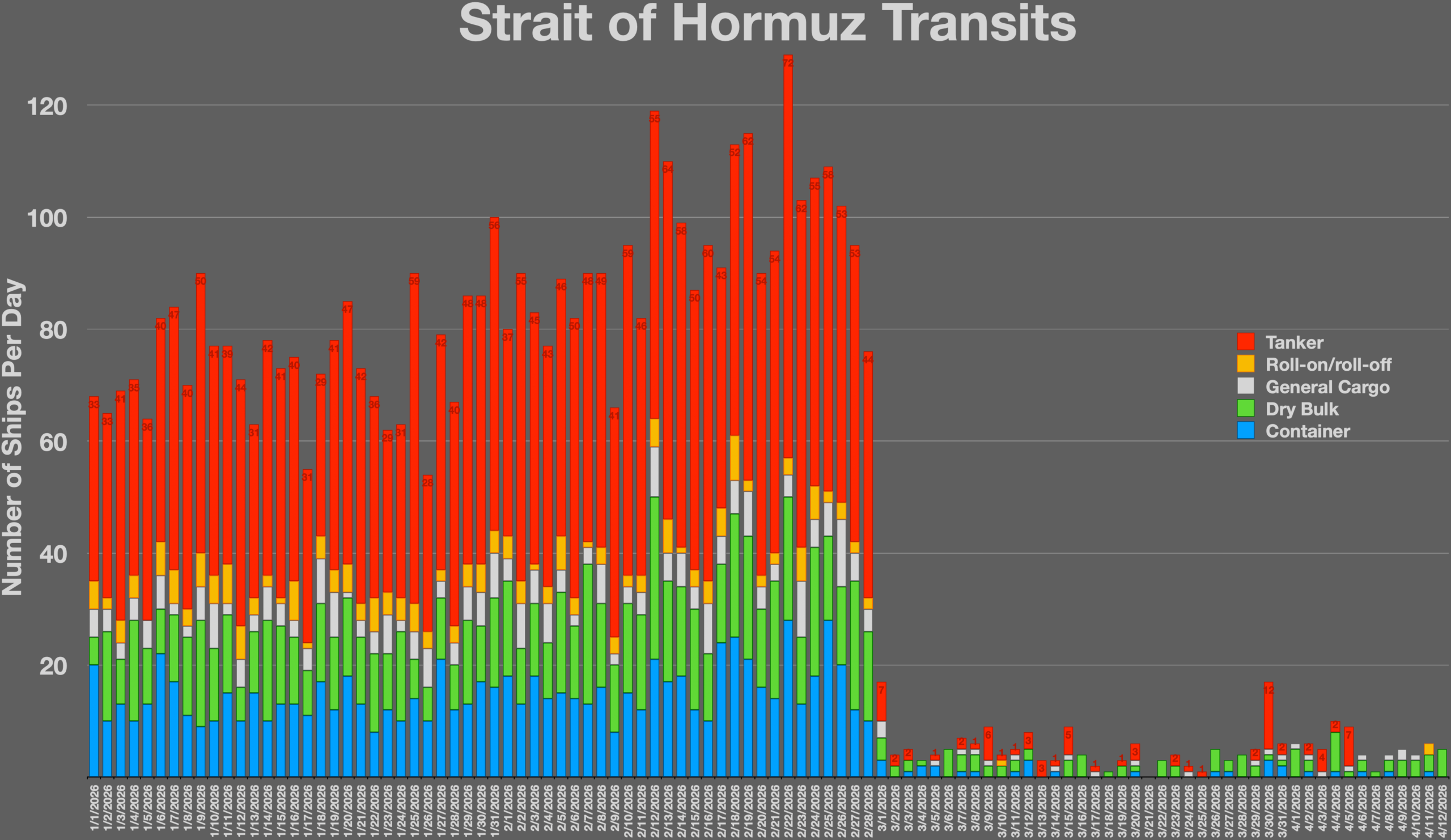
Strait of Hormuz oil tanker traffic amid Iran ceasefire diplomatic progress

How the Iran ceasefire diplomatic progress stalled before

The US and Iran, along with Israel, agreed to an initial ceasefire on 7 and 8 April 2026. It held for weeks before the conflict shifted into a standoff over access to the Strait of Hormuz. On 14 June, mediators announced a memorandum of understanding meant to end the war formally within 60 days. That plan collapsed in July after Iran struck three commercial vessels that had bypassed its approved shipping route through the strait.

Since then, air and drone strikes from both sides have climbed to the highest levels of the war. The Iran theater has its own escalation curve. Driven largely by disputes over the strait and Iran’s ballistic missile program.

What Qatar and Pakistan are trying to broker

Qatari and Pakistani officials are now working to bridge the gap between Washington and Tehran. That is according to mediators cited by The Hill. The goal is an interim ceasefire rather than a full settlement. It is a narrower deal that would stop the shooting while broader disputes over Iran’s nuclear program and missile arsenal stay unresolved. Both American and Iranian forces have reportedly paused strikes during the current round of talks. Neither side wants to be blamed for breaking a fragile pause.

The stakes go beyond the two countries directly involved. Disruption to the Strait of Hormuz, one of the world’s most important oil chokepoints. Has already caused fuel shortages in parts of Asia. It has also pushed up shipping insurance costs globally.

Why the Strait of Hormuz keeps derailing progress

Nearly every collapse in this conflict traces back to the strait. Iran has used restricted access as leverage. Previous ceasefires broke down after specific incidents at sea rather than over land battles. Saudi Arabia’s own oil exports have had to reroute around infrastructure damage. Satellite tracking has shown Saudi loadings shifting back toward the strait only in the past week. As a cross-country pipeline came back online. Any mediated deal will need to address maritime security directly. A general cessation of hostilities will not be enough on its own to hold longer than the April or June attempts did.

Regional governments are watching closely too. Gulf states that depend on tanker traffic through the strait have pushed both Washington and Tehran toward a deal. That is because prolonged disruption hurts their own economies regardless of which side is technically winning the underlying dispute. That shared economic interest is part of why Qatar. It is not a Western power, has taken the lead mediating role this time. Doha has hosted rounds of shuttle diplomacy between American and Iranian officials who are not yet willing to sit in the same room together. A format that slows progress but has kept both sides talking through each prior collapse.

What happens next in the ceasefire push

Negotiators have not set a public deadline for the current round of talks. Congressional researchers tracking the file note that prior agreements collapsed within weeks once a single incident broke the calm. The durability of any new pause will likely be tested quickly. Markets are already pricing in cautious optimism. Oil prices eased through the past several sessions as traders bet on de-escalation. Still, few analysts expect the underlying disputes to disappear even if an interim ceasefire is signed.

What would make this round different from April and June is a narrower scope. Rather than trying to resolve Iran’s nuclear program or missile arsenal alongside a ceasefire. Mediators are reportedly focused only on stopping active strikes and securing safe passage through the strait. A narrower deal is easier to reach but also easier to unwind. That is because it leaves the underlying disputes that caused the war fully intact. Analysts tracking the talks say that trade-off, speed over durability. Reflects how exhausted both sides appear after five months of intermittent fighting.

Frequently asked questions

Is there an active ceasefire between the US and Iran right now?
Not a formal one. Both sides have paused attacks while Qatar and Pakistan mediate, but no signed agreement has been announced as of this report.

What broke the last ceasefire attempt?
The June memorandum of understanding fell apart in July after Iran struck three commercial vessels that had not used its approved shipping route through the Strait of Hormuz.

Why does the Strait of Hormuz matter so much to this conflict?
It is one of the busiest oil shipping routes in the world. Disruptions there have caused fuel shortages in Asia and repeatedly triggered new rounds of escalation between the US and Iran.

Has President Trump confirmed the war is ending?
Trump said the war could be almost over, but Iranian officials have not confirmed that assessment. The current talks are aimed at a narrower interim ceasefire rather than a full settlement.

Who is mediating the current talks?
Qatar and Pakistan are leading the mediation effort, working to bridge gaps between US and Iranian negotiators.

Related coverage

Sources

Seasonal Employers Just Ran Out of H-2B Workers for Winter

Seasonal employers hoping to bring on H-2B workers for winter are out of luck. USCIS confirmed the H-2B visa cap 2027 for the first half of the fiscal year is full. New petitions requesting start dates before April 1, 2027, will now be rejected outright.

The agency announced on September 11 that it had received enough cap-subject petitions to reach the congressionally set limit. That closed the door earlier than many seasonal employers had hoped.

Work visa paperwork tied to the H-2B visa cap 2027

What the H-2B Visa Cap 2027 Means for Employers Right Now

September 4, 2026, was the final receipt date. That covered cap-subject H-2B petitions requesting start dates before April 1, 2027. USCIS will now reject any new cap-subject petitions filed after that date for the same window. Employers who missed the cutoff have no legal path to bring on seasonal workers this winter through the standard program.

How Fast the Cap Filled This Year

The first-half allocation is capped at 33,000 workers. That is the statutory limit Congress sets each year. USCIS did not disclose exactly how far demand outstripped that number. But the early closure suggests employer demand for winter-season labor stayed strong heading into the filing period.

Who Gets Left Without Workers

The H-2B program covers non-agricultural seasonal work. Think landscaping, hospitality, seafood processing and other industries that lean on temporary foreign labor during peak seasons. Employers in winter-heavy sectors, like ski resorts and holiday hospitality operations, are typically hit hardest when the first-half cap closes early.

Small and mid-sized employers feel the squeeze hardest. Larger companies often have more flexibility. They can shift staffing plans, recruit domestically at higher wages, or absorb the cost of alternative visas. A family-run ski resort or seafood processor has far less room to adapt once its usual worker pipeline is cut off.

Not Every H-2B Worker Counts Against the Cap

Some categories of H-2B workers are exempt from the annual numerical limit altogether. Returning workers under certain past exemptions, current H-2B holders already in the US extending or changing employers, and workers in a handful of specific US territories can all fall outside the capped count, depending on the rules in effect for a given fiscal year. That distinction matters for employers trying to plan around a closed cap.

USCIS publishes updated guidance each fiscal year on which categories qualify for an exemption. Employers uncertain whether a specific hire counts against the cap are generally advised to confirm the current rules with an experienced immigration attorney before assuming a petition is automatically blocked by the closed allocation.

The Second-Half Allocation Is the Next Fight

A separate 33,000-worker allocation exists for the second half of fiscal year 2027. It can draw on any first-half numbers that go unused. Employers with second-half start dates still have a filing window ahead. This cycle’s demand suggests that allocation could fill quickly too.

Why the Program Keeps Filling Faster Each Year

The H-2B cap has closed earlier in recent cycles. Demand for seasonal labor has outpaced the fixed 66,000-worker annual limit. Congress set that limit years ago and has not raised it substantially since. Employer groups in hospitality, landscaping and seafood processing have lobbied repeatedly for a bigger cap. Those arguments have gained little traction, even as the program fills faster nearly every cycle.

Some relief has come in past years through supplemental visa allocations, announced separately from the standard cap. Nothing of that kind has been confirmed for the current fiscal year as of publication.

What Employers Can Do Before the Next Window

Employers who missed this cycle have few options. They can wait for the second-half filing period or explore other visa categories that fit their needs. Immigration attorneys recommend filing as early as the window allows in future cycles, given how consistently the H-2B cap has closed ahead of expectations.

Employers with H-2B workers from a prior season should also check whether those workers qualify for returning-worker provisions. In some years, that pathway has offered more predictability than competing for new cap numbers from scratch.

Some employers are also looking at whether their business genuinely needs a cap-subject filing at all. A handful of roles and locations qualify for cap exemptions each year. Reviewing eligibility before the next filing window opens can save a business from missing out entirely over a technicality.

Answers for Workers and Employers

What is the H-2B visa cap 2027 news, in short?

USCIS announced on September 11, 2026, that it received enough petitions to reach the congressionally set H-2B cap for the first half of fiscal year 2027.

What was the final receipt date?

September 4, 2026, for cap-subject petitions requesting employment start dates before April 1, 2027.

How many workers does the first-half allocation cover?

33,000 H-2B workers, matching the separate 33,000 allocation set for the second half of the fiscal year.

What happens to petitions filed after the cutoff?

USCIS will reject new cap-subject H-2B petitions received after September 4, 2026, that request a start date before April 1, 2027.

Can unused first-half numbers roll over?

Yes. The second-half allocation can draw on any unused first-half numbers, subject to availability.

Sources

More immigration coverage on Tamara News: USCIS will now reject your paperwork over one missed date and your green card priority date could freeze in the next 10 days.

Flying Without a Real ID Now Costs You $45 and 30 Minutes

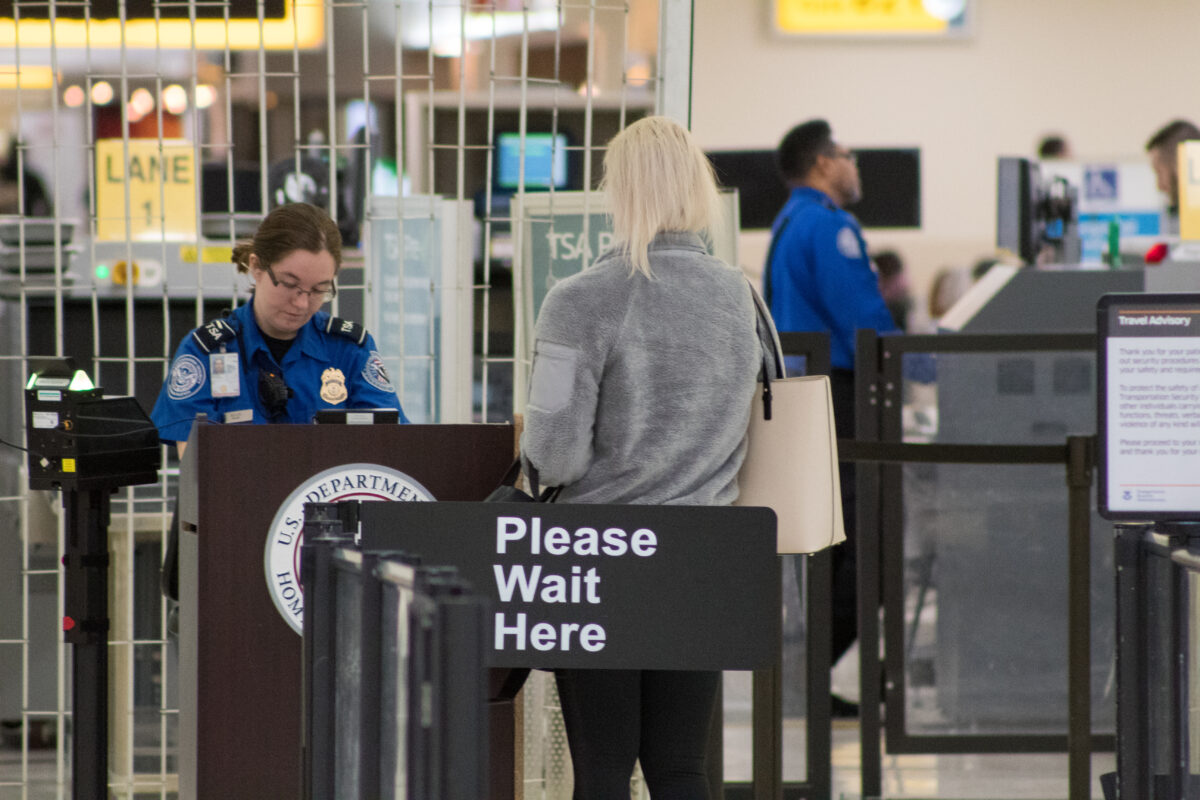
Show up at a US airport security checkpoint today without a compliant ID, and the TSA Real ID fee will cost you $45. On top of that, a screening process can eat 30 minutes or more of your layover buffer.

The fee applies through TSA ConfirmID. That is the biometric and biographic verification system now used to screen travelers who lack REAL ID-compliant identification. It is the latest step in a rollout that took nearly two decades to reach full enforcement.

Passport and travel documents affected by the TSA Real ID fee

How the TSA Real ID Fee Actually Works at the Checkpoint

Travelers without a compliant ID must pay the $45 fee. They must also submit to identification checks through TSA ConfirmID before they can fly. Screening scope varies by airport. TSA has warned travelers to expect delays of 30 minutes or more versus standard processing.

Why It Took This Long to Enforce

TSA finally began enforcing the REAL ID Act on May 7, 2025. That came after multiple deadline extensions stretching back years. The fee and full ConfirmID screening only became mandatory on February 1, 2026. That gave travelers a further window to get compliant documents first.

The original REAL ID Act passed nearly two decades earlier. Repeated delays meant most travelers grew accustomed to flying with almost any state-issued ID. Its formal compliance status rarely mattered in practice. That long grace period is part of why the fee’s arrival still caught some travelers off guard, despite years of advance warning.

The 94% Who Won’t Pay a Thing

TSA data shows 94% of passengers already arrive for flights carrying a REAL ID or another acceptable form of identification. That means the fee and extended screening affect a relatively small share of travelers. For that minority, though, the combination of cost and delay is enough to disrupt a tight connection.

What Documents Actually Count as Compliant

A REAL ID-compliant license or state ID card is marked with a star in the upper corner. A standard US passport or passport card also satisfies the requirement on its own. TSA’s accepted list additionally includes military ID, permanent resident cards and certain federally issued trusted-traveler cards, among a handful of other options.

Travelers sometimes assume any government-issued photo ID will work. That assumption is what catches people out at the checkpoint. A standard, non-compliant driver’s license without the star marking will trigger the fee, even though it remains valid for driving.

How Screening Time Varies by Airport

TSA has not published a single fixed screening time that applies everywhere. Officials say ConfirmID wait times depend on checkpoint staffing and how many non-compliant travelers arrive at a given hour. A busier hub airport at peak travel times is likely to see longer queues for ConfirmID screening than a quiet regional airport, simply because more checkpoint lanes are already under pressure.

How to Avoid the Fee Before Your Next Flight

Travelers can sidestep both the fee and the ConfirmID screening. Carry a REAL ID-compliant driver’s license or state ID. A valid US passport works too, as does another document already on TSA’s accepted list. State motor vehicle agencies have processed REAL ID applications for years. Most travelers can get one without a long wait.

How This Fits the Broader Travel Documentation Push

The REAL ID rollout is one piece of a wider tightening of identity verification across US travel this year. Privacy advocates have raised concerns about the growing footprint of biometric data collection built into programs like ConfirmID. TSA maintains that the system speeds up screening for the vast majority of compliant travelers.

For now, the fee and screening apply only to domestic flyers without compliant ID. International travelers navigating passport requirements remain largely unaffected. That could change if the program expands, though TSA has not signaled plans to do so.

What to Do Before You Book Your Next Flight

Anyone planning domestic travel who is unsure whether their ID is compliant should check with their state’s motor vehicle department before heading to the airport. Enforcement is now fully in effect, with no further grace period expected. The $45 fee and added screening time are here to stay for noncompliant travelers.

Travelers with a tight connection face the most risk, since a 30-minute delay at security can mean missing a flight. Checking ID compliance days ahead of travel, rather than at the airport itself, remains the simplest way to avoid the disruption entirely.

Traveler Questions on the New Fee

What is the TSA Real ID fee?

A $45 charge for domestic flyers who arrive at security without a REAL ID-compliant identification document.

What happens besides paying the fee?

Travelers must also complete TSA ConfirmID screening, a biometric or biographic verification process that can add 30 minutes or more to checkpoint time.

When did enforcement begin?

TSA began enforcing the REAL ID Act on May 7, 2025, with the ConfirmID fee and screening process taking full effect February 1, 2026.

How many travelers are actually affected?

TSA says 94% of passengers already arrive with a REAL ID or another acceptable form of identification.

How can I avoid the fee?

Obtain a REAL ID-compliant driver’s license or state ID, a valid US passport, or another TSA-accepted document before your next flight.

Sources

Related reading on Tamara News: 868 delays in a day: what’s fueling the US flight delays surge and the US flight ban over the Ebola outbreak.