• Mon - Fri 9.00 - 19.00

Yearly Archives: 2026

China Entry Ban Rules: False Visa Statements Can Now Mean 1–5 Years

China’s new Exit and Entry Administration Provisions took effect on 15 September 2026, and the China entry ban rules are the part travellers should read first. A foreign national who gives false materials or statements in a visa or port-of-entry application can now face a ban of one to five years. DLA Piper reports that the State Council issued the rules on 31 July 2026. Before, the usual result of a false statement was a visa refusal.

What this covers

How the China entry ban rules work

DLA Piper describes three triggers for foreign nationals under Article 5. The first is false information in a visa or entry application, which can bring a ban of one to five years. The second is a past criminal or administrative penalty for disrupting border administration, committing document fraud or crossing a border illegally, which can bring the same one-to-five-year ban. The third is placement on a countermeasures list, the Unreliable Entity List or the Malicious Entity List, which can lead to denial of a visa or entry.

The shift matters because of scale. A single wrong answer on a form now carries a multi-year consequence. The rules do not define a minor mistake, so applicants should treat every field as a sworn statement.

China entry ban rules apply to visitors, students and business travellers alike
The Great Wall at Badaling, one of China’s busiest visitor sites.

Exit bans on Chinese citizens

The Provisions also target Chinese citizens. According to DLA Piper, a person who commits fraud to obtain exit-entry documents, or crosses borders illegally, may face an exit ban of six months to three years after serving an administrative penalty. A person whose conduct overseas endangers national security or interests faces the same range after returning to China. Export-control and technology-transfer violations can also lead to an exit ban, with no fixed duration.

Authorities should generally tell the person in writing about the facts, reasons, legal basis and remedies. They can withhold notice where national security or a criminal case is involved. For multinational employers, the law-firm briefing at Brownstein Hyatt Farber Schreck says the rules raise the risk for staff who handle sensitive technology.

Visa agents must register

Intermediary agencies that provide immigration, visa and related services must register. New agencies have 15 days from establishment. Existing agencies have 90 days after the Provisions took effect. Foreign enterprises and institutions cannot provide these intermediary services in China, though lawfully established foreign-invested enterprises can.

The practical advice is simple. Ask any agent you hire whether it is registered, and keep your own copy of everything it submits for you. A recap from Clark Hill also notes that foreign visitors staying in private homes can register online within 24 hours. That recap gives no effective date for the online option, so confirm it with the National Immigration Administration.

What the rules leave open

The published summaries leave several questions unanswered. They do not define what counts as a false statement, and they do not say how officials will decide between an honest error and deliberate fraud. They also do not say whether a ban applies from the date of the false statement or from the date officials find it. Until China publishes guidance, travellers should assume the strictest reading.

The rules also arrive at a time when many firms send engineers and buyers to China on short notice. Short-notice trips make mistakes more likely, because staff copy answers from old forms. A five-minute review by a second person can prevent a problem that lasts years. Plan early. Check twice. Keep records.

What travellers should do before booking

Take a hypothetical Brazilian project manager, Rafael, who plans a factory visit in Shenzhen. He should answer each question on his application exactly, attach matching invitation documents, and avoid sharing a pre-filled form he has not read. If he later spots an error, he should correct it before submitting rather than hoping nobody checks. Rafael is an illustration only.

Employers should brief staff in the same way. The DLA Piper note advises companies to check that visa applications and entry declarations are truthful, accurate and complete. It also advises companies in controlled-technology sectors to remind staff about export-control rules before they travel.

If you are comparing visa-friendly destinations, see how Asia’s rules differ in our report on Thailand’s visa exemption rules and our note on Japan’s renewal fees. You can also run a quick check with our visa eligibility checker.

China rules: your questions

When did the new rules start?

The Exit and Entry Administration Provisions took effect on 15 September 2026, after the State Council issued them on 31 July 2026.

How long can an entry ban last?

For false information or past border-related penalties, DLA Piper reports a ban of one to five years.

Do the rules also affect Chinese citizens?

Yes. They allow exit bans of six months to three years for certain fraud, border and national-security offences, plus exit bans for some export-control violations.

Must visa agents register?

Yes. New agencies register within 15 days, and existing ones within 90 days after the rules took effect.

What is the safest way to apply?

Give accurate, complete answers, attach consistent documents and use a registered intermediary if you hire one.

Sources

Everyone Says AI Data Centers Are a Bubble. Spending Says Otherwise

AI data center spending by the biggest technology companies is accelerating faster than ever in 2026. Even as a growing chorus of investors. Bankers and at least one major tech executive warns that the industry is building capacity faster than it can justify financially.

Commercial real estate and finance outlets tracking the sector describe capital expenditure from the largest cloud and AI companies climbing well beyond what analysts projected a year ago. Driven by competition to secure the compute capacity needed to train and run increasingly large AI models.

How big AI data center spending has actually gotten

Despite repeated warnings about a bubble, spending has not slowed. Reporting on the sector describes big technology companies accelerating data centre buildouts rather than pausing. New facilities announced on a near-monthly basis through 2026. The scale of commitment has made data centre construction one of the largest single drivers of capital spending across the entire technology sector this year.

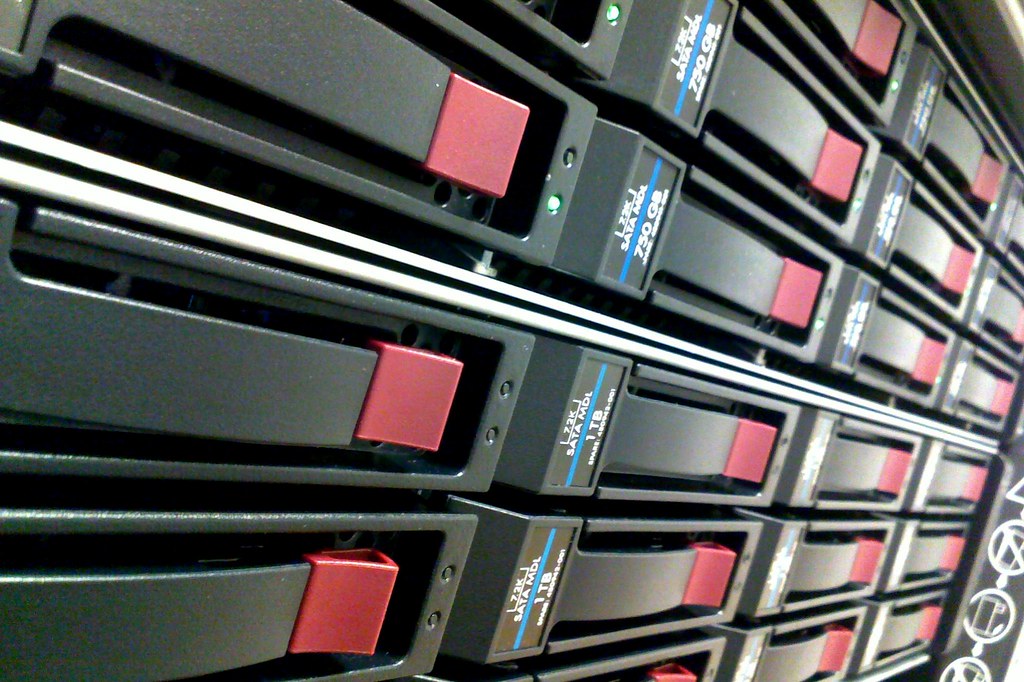
AI data center spending illustration

Much of this expansion is now being financed through complex debt arrangements rather than straightforward corporate cash. Analysts say raises the financial stakes if AI revenue growth fails to keep pace with the infrastructure bill.

Who is sounding the alarm

The chairman of Alibaba has publicly warned about a “swelling bubble” in AI data centres. A notable caution from an executive whose own company is a major cloud infrastructure player. Separate analysis has flagged potential air pockets in data centre debt markets heading into 2027 if financing costs rise or AI revenue disappoints.

The warnings echo a broader pattern already visible elsewhere in the AI sector this year. Including delayed plans for AI data centre IPOs amid valuation concerns. Investors are growing more selective even as headline spending keeps climbing.

Why spending keeps rising despite the warnings

Technology companies argue that falling behind on compute capacity now risks permanent competitive disadvantage later. Making continued investment a rational bet even amid uncertainty. That logic has so far outweighed caution at the corporate level. Even as individual executives and outside analysts raise concerns about whether current spending levels can be justified by realistic revenue projections.

The test still to come

The real test for AI data centre spending will arrive when the current wave of facilities comes fully online and companies must show that AI-driven revenue justifies the capital already committed. Until then, expect continued announcements of new projects alongside continued warnings from skeptics. Little sign either side is backing down.

Watch debt markets tied to data centre financing closely. A noticeable repricing there would be the clearest early signal that the bubble warnings are starting to bite rather than just circulating as commentary.

Further coverage

Our earlier report on AI data centre IPOs being delayed over valuation concernscovers the investor side of this story in more depth, and our piece on theFinland government halting a Google data centre projectshows how local pushback is becoming part of the picture too.

What a slowdown would actually look like

Analysts say the clearest early warning would not be a dramatic single event but a quieter shift. Fewer new project announcements, longer gaps between funding rounds. Lenders demanding tighter terms on data centre debt. None of those signals has shown up broadly yet. Is part of why the spending-versus-bubble debate remains unresolved.

The comparison investors keep reaching for

Some analysts have compared the current AI infrastructure build-out to earlier technology investment cycles. Including the fibre-optic buildout of the late 1990s, where genuine long-term demand eventually justified the infrastructure. Not before a painful shakeout among companies that overbuilt or overpaid for capacity in the meantime.

Whether AI follows that same arc, useful infrastructure surviving a financial reckoning. Something closer to a sustained boom without a correction. Remains the central unresolved question hanging over every new data centre announcement this year.

What smaller players are doing differently

While the largest cloud providers keep expanding. Some smaller or mid-sized technology firms have begun renting capacity rather than building their own facilities. A hedge against committing capital to infrastructure that could lose value quickly if the bubble warnings prove correct. That split between owners and renters of AI compute is becoming one of the clearer dividing lines in the industry this year.

That rent-versus-own divide is likely to sharpen further as financing conditions shift. Giving a clearer read on who within the industry genuinely believes the current spending pace is justified by future demand.

Frequently Asked Questions

Is AI data center spending actually a bubble?

That’s disputed. Spending is accelerating rather than slowing. Prominent voices including Alibaba’s chairman have warned publicly about a swelling bubble in the sector.

Why are tech companies still building so many data centers?

Companies argue that falling behind on AI compute capacity now risks permanent competitive disadvantage. Making continued investment worthwhile even amid bubble warnings.

How is this spending being financed?

A growing share is financed through complex debt arrangements rather than direct corporate cash. Analysts say increases financial risk if AI revenue underwhelms.

Has this affected AI-related IPOs?

Yes. Several planned AI data center IPOs have been delayed amid broader valuation concerns tied to the same spending debate.

What would show the bubble warnings are correct?

A visible repricing in data center debt markets. A slowdown in new project announcements. Would be early signs that financing concerns are starting to bite.

Sources

Brussels Can Now Pull Your AI Model Off the Market. Here’s How

EU AI Act enforcement powers over general-purpose AI model makers took effect on August 2, 2026. Giving the European Commission the ability to investigate. Fine or even force a model off the EU market. The rules are now actively shaping how OpenAI, Anthropic and other providers operate in Europe.

The milestone does not mean any company has broken the law. It means Brussels can now use the full toolkit the AI Act created for general-purpose AI. Rather than relying on obligations that technically applied but carried no real enforcement teeth.

What EU AI Act enforcement actually allows regulators to do

The European Commission can now request information directly from model providers. Run its own evaluations of a model’s behaviour. Order corrective measures such as risk mitigations. The most severe option on the table is withdrawing a model from the EU market entirely. Fines can reach 15 million euros or 3% of a company’s worldwide annual turnover. Whichever is higher under the Act’s formula.

EU AI Act enforcement illustration

Reporting on the milestone named OpenAI and Anthropic specifically as firms now facing closer scrutiny. Stressing that neither has been found to have violated anything. Providers of models considered to carry systemic risk face additional duties, including model evaluations. Risk assessment, serious-incident reporting and cybersecurity requirements.

Why the timing matters for AI companies

Obligations on general-purpose AI providers have technically applied since August 2, 2025. Enforcement power only caught up a year later. Models placed on the EU market before that original 2025 date get a longer runway. Compliance required by August 2, 2027. That staggered timeline means different AI products face different compliance clocks depending on exactly when they launched in Europe.

For companies building AI products for a global audience. The practical effect is that European regulatory risk has shifted from theoretical to real. A formal information request or evaluation order from Brussels now carries actual legal weight. Where a year ago it largely did not.

The bigger regulatory picture

The EU AI Act enforcement regime is widely seen as the most comprehensive attempt by any major regulator to govern general-purpose AI systems directly. Rather than relying on existing consumer protection or competition law. Other jurisdictions, including the United States, have taken a lighter-touch approach so far. Means global AI providers now face meaningfully different compliance burdens depending on where their users are based.

What happens if a provider falls foul of the rules

The Commission’s escalation ladder runs from an information request through evaluation. Corrective orders, fines and, in the most serious cases, market withdrawal. No provider has reached the top of that ladder so far. Watch for the Commission’s first formal investigation under these powers as the real test of how aggressively Brussels intends to use them.

Companies with models already live in the EU should expect more detailed information requests over the coming months as regulators build out their evaluation capacity. Even without any public finding of wrongdoing.

See also

For how AI companies are being scrutinised on the other side of the Atlantic. Read our coverage of theNew York City Council’s AI hearing with OpenAI, Anthropic, Google and Meta, and our report on the Apple-OpenAI trade secrets hearing set for October 14.

How this differs from the US approach

Unlike the EU’s rules-first model. The United States has so far relied on a mix of voluntary commitments and existing law to address AI risk. Without a dedicated enforcement regime comparable to the AI Act. That gap means a model that draws no regulatory attention in the US can still face a formal information request or evaluation order the moment it is offered to users in the EU.

What compliance actually looks like day to day

For an AI company, meeting EU AI Act obligations typically means maintaining detailed technical documentation of a model’s training data. Capabilities and known limitations, plus systems for reporting serious incidents and demonstrating cybersecurity safeguards. Providers of the largest, most capable models face the heaviest documentation burden under the systemic-risk category.

None of this happens through a single filing. Compliance is an ongoing process. Is part of why the Commission’s enforcement powers matter. They give regulators a formal way to check whether that ongoing process is actually being followed. Rather than relying on self-certification alone.

Frequently Asked Questions

When did EU AI Act enforcement powers take effect?

The European Commission’s enforcement powers over general-purpose AI model providers took effect on August 2, 2026.

Which companies are affected by EU AI Act enforcement?

Any company placing a general-purpose AI model on the EU market. Whether based inside or outside the EU. Is covered; reporting has specifically named OpenAI and Anthropic as facing new scrutiny.

What can the European Commission actually do under these powers?

It can request information, evaluate models, order corrective measures. Impose fines of up to 15 million euros or 3% of global turnover. In the most serious cases force a model off the EU market.

Has any AI company been fined under the EU AI Act?

Not as of this enforcement milestone. The activation of these powers does not establish that any provider has violated the Act.

Do older AI models have more time to comply?

Yes. Models placed on the EU market before August 2. 2025 have until August 2, 2027 to meet the full set of obligations.

Sources

Post-Study Work Visa Rules Change 16 Nov: Does Your Degree Count?

Immigration New Zealand will widen the Post-Study Work Visa on 16 November 2026 and launch a new six-month Short-Term Graduate Work Visa on the same day. The agency announced both changes on 10 September 2026. Graduates who finish a Level 7 graduate diploma can now qualify for the longer visa, and every application moves online.

Quick guide

Who qualifies for the Post-Study Work Visa from 16 November

The agency notice extends eligibility to graduates with a Level 7 graduate diploma on the New Zealand Qualifications and Credentials Framework. Three conditions apply. The graduate must have studied full time in New Zealand for the whole qualification. They must have been enrolled for its full duration, and cross-credits or recognition of prior learning do not count. They must also hold a bachelor’s degree, from New Zealand or overseas, awarded at any time.

Applicants must provide their bachelor’s certificate and an official transcript. Immigration New Zealand says an International Qualification Assessment is not needed for an overseas bachelor’s degree, although the agency can still verify the document.

Post-Study Work Visa holders can work across New Zealand, from Queenstown to Auckland
Queenstown, one of many places where graduates may work.

Visa length by qualification

Length depends on the level of the qualification. A graduate diploma holder can receive a visa covering the length of their study in New Zealand, up to a maximum of one year. A postgraduate diploma at Level 8 may earn a one-year visa. A master’s degree at Level 9 may earn a three-year visa. For either of the last two, the graduate must complete at least 30 weeks of full-time study in that qualification.

The agency assesses a master’s separately. Transferred credits, cross-credits and prior learning do not count toward it. Each person can receive only one Post-Study Work Visa, even if they later complete a higher qualification.

The new six-month visa for shorter courses

Graduates who miss the Post-Study Work Visa have another route. The Short-Term Graduate Work Visa gives six months of open work rights. Applicants need a Level 5 to 7 qualification studied full time in New Zealand for at least 24 weeks. They must not hold an English-language, foundation or bridging qualification, and they must show NZ$5,000 in available funds.

The window is tight. Applications must arrive within three months of the student visa expiring. The agency gives an example: a student visa that expired before 16 August 2026 would not qualify when applications open on 16 November. A holder can receive this visa only once and cannot extend it. Business ownership is not allowed on it.

How to apply from 16 November

From 16 November, international students apply online through enhanced Immigration Online, using the Login button on the agency’s website. A law-firm recap by Clark Hill adds that paper applications for the Post-Study Work Visa filed by 15 November will still be processed. Treat that detail as secondary and confirm it with the agency.

Take a hypothetical case. Linh is a Vietnamese graduate who holds a bachelor’s degree from Hanoi and is finishing a Level 7 graduate diploma in Auckland. Before this change, she may not have qualified for the longer visa. Under the new rule, she needs her degree certificate, her transcript and proof of full-time study. Linh is an illustration only.

The dates in one place

The agency announced both changes on 10 September 2026. Both take effect on Monday 16 November 2026. The agency’s example sets the cut-off for the six-month visa: a student visa that ended before 16 August 2026 falls outside the three-month window when applications open. If your student visa ends close to that line, check your exact expiry date before you do anything else.

Employers also have a stake. Graduates on the six-month visa can look for an Accredited Employer Work Visa, according to the agency, so hiring managers should expect more applicants with short-term permissions. Students should keep job-search evidence from the first week, because six months passes quickly. Mark both dates now. Do not wait. Have your documents ready before the portal opens.

Your next move

Check your qualification level and your student visa expiry date first. Then match them to the right visa. If your course is shorter than 30 weeks at Level 8 or 9, or sits below Level 7, the six-month visa may be the better fit. Partners and dependent children follow separate rules, so read the agency’s Post-Study Work Visa page before you book flights.

Students comparing destinations can see how another country handles the same question in our guide to the UK Graduate Route. You can also test your own profile with our visa eligibility checker.

New Zealand graduate visa questions answered

What changes on 16 November 2026?

Level 7 graduate diploma holders with a bachelor’s degree can qualify for the Post-Study Work Visa, a six-month Short-Term Graduate Work Visa launches, and applications move online.

How long can a master’s graduate work?

A Level 9 master’s graduate may receive a three-year visa if they complete at least 30 weeks of full-time study in the master’s itself.

Can I get the Post-Study Work Visa twice?

No. Each person can receive only one, even after a higher qualification.

Who needs the Short-Term Graduate Work Visa?

Graduates with a Level 5 to 7 qualification who do not qualify for the Post-Study Work Visa, studied at least 24 weeks full time, and hold NZ$5,000 in funds.

Where do I apply?

Online, through enhanced Immigration Online, from 16 November 2026.

Sources

Your Next Laptop Is About to Cost More, and Memory Chips Are Why

A worsening memory chip price shortage has pushed the cost of DRAM and SSD storage sharply higher through 2026. Some component prices up more than 100% in just a few months as AI data centre demand collides with limited factory capacity.

Industry tracker TrendForce and multiple supply-chain reports describe a memory market caught off guard by how fast AI server buildouts have absorbed supply that used to go toward phones. Laptops and game consoles. The result is a squeeze that is now reaching ordinary consumer electronics. Not just data centre hardware.

How bad the memory chip price shortage has gotten

Reports tracking component pricing found RAM and storage costs rising by as much as 107% over a three-month stretch in mid-2026. DRAM contract prices alone projected to climb roughly 90% in a single quarter. Multiple supply-chain publications describe memory makers in South Korea and the United States halting routine price quotes altogether for stretches of the year. An unusual move that left module makers and PC builders unable to even get a firm number to plan around.

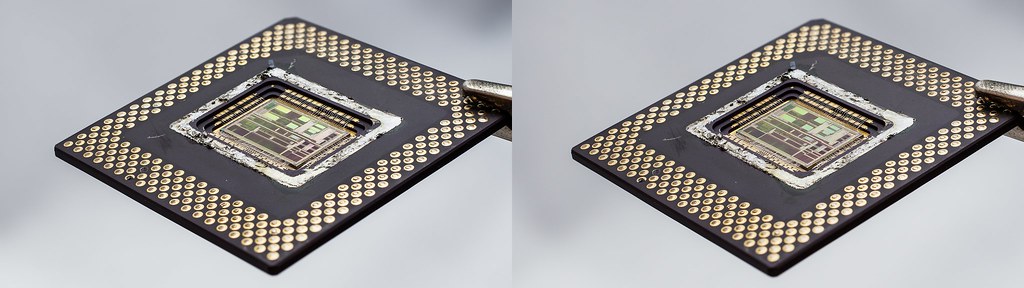
memory chip price shortage illustration

The driver is demand, not a single factory outage. AI companies are buying high-bandwidth memory and standard DRAM at a pace that memory manufacturers did not plan their factories around two or three years ago. When the current generation of fabrication capacity was being built.

Who actually pays for the shortage

PC and phone makers are the first to feel it. Memory and storage are built into nearly every device they sell. Consumer electronics brands have already signalled that higher component costs are working their way into retail prices. The squeeze is expected to persist through at least the first half of 2027 given how long it takes to add new memory fabrication capacity.

For AI companies themselves, the shortage cuts the other way. It is both a symptom of how much hardware they are buying and a rising cost line in their own infrastructure budgets. Adding to the broader debate over whether AI data centre spending is sustainable at its current pace.

Why this is not a simple supply-and-demand story

Semiconductor supply chains cannot expand overnight. Building new memory fabrication capacity typically takes one to two years and billions of dollars. Even if manufacturers commit today to new plants, relief for consumers would not arrive quickly. That lag is part of why industry trackers expect prices to keep climbing into 2027 rather than ease once current orders are filled.

Where memory prices go from here

Expect component costs to keep showing up in finished-product prices for laptops. Phones and game consoles through the rest of 2026 and into 2027. Memory makers have strong incentive to keep expanding capacity given the margins on offer. New fabrication plants take years to come online. The current squeeze is unlikely to ease quickly.

Buyers in the market for new devices or server hardware should expect list prices to track memory costs closely for the foreseeable future. Businesses planning data centre expansions should budget for storage and memory costs well above what they may have modelled a year ago.

Related reading

This shortage sits alongside a wider reckoning over AI infrastructure spending covered in our report ondelayed AI data centre IPOs amid valuation concerns, and our earlier coverage of Finland halting a Google data centre project.

How businesses are responding

Some device makers have started locking in longer-term supply contracts to protect against further price swings. Others are passing costs directly to consumers rather than absorbing them. Either approach reflects the same underlying reality. Nobody in the supply chain expects memory prices to return to 2024 levels while AI infrastructure spending keeps climbing.

What this means for the AI companies driving demand

Ironically, the same AI firms whose appetite for memory helped create the shortage are now paying more for the chips they need to keep expanding. That dynamic adds another cost pressure on top of the compute and power expenses already drawing scrutiny from investors watching overall AI infrastructure spending.

It also creates an incentive for AI companies to invest directly in memory supply. Whether through long-term purchase agreements or direct stakes in manufacturers. A strategy some chipmakers and cloud providers have already begun pursuing to lock in capacity rather than compete for it on the open market.

Frequently Asked Questions

Why are memory chip prices rising so fast in 2026?

AI data centre buildouts are consuming DRAM and high-bandwidth memory at a pace manufacturers didn’t plan their factories around. Leaving limited supply for phones, laptops and consumer electronics.

How much have memory prices increased?

Industry reports have tracked RAM and storage price increases of up to 107% over a three-month period in 2026. DRAM contract prices projected to rise roughly 90% in a single quarter.

Will laptop and phone prices go up because of this?

Likely yes. Consumer electronics makers have signalled that higher component costs are feeding into retail prices as the memory chip price shortage continues.

When will the memory shortage end?

Analysts expect the squeeze to persist through at least the first half of 2027. New memory fabrication capacity typically takes one to two years to come online.

Is this shortage connected to AI spending concerns?

Yes. The same AI infrastructure boom driving memory demand is also fuelling broader questions about whether current data centre investment levels are sustainable.

Sources