• Mon - Fri 9.00 - 19.00

Yearly Archives: 2026

Thailand Cut Its Visa-Free Stay in Half. Here’s Who’s Affected.

Travelers who could once stay in Thailand for 60 days without a visa now get half that. New Thailand visa exemption rules took effect on September 15, 2026. The standard visa-free stay dropped to 30 days, for tourism only. A smaller group of countries is limited to just 15 days.

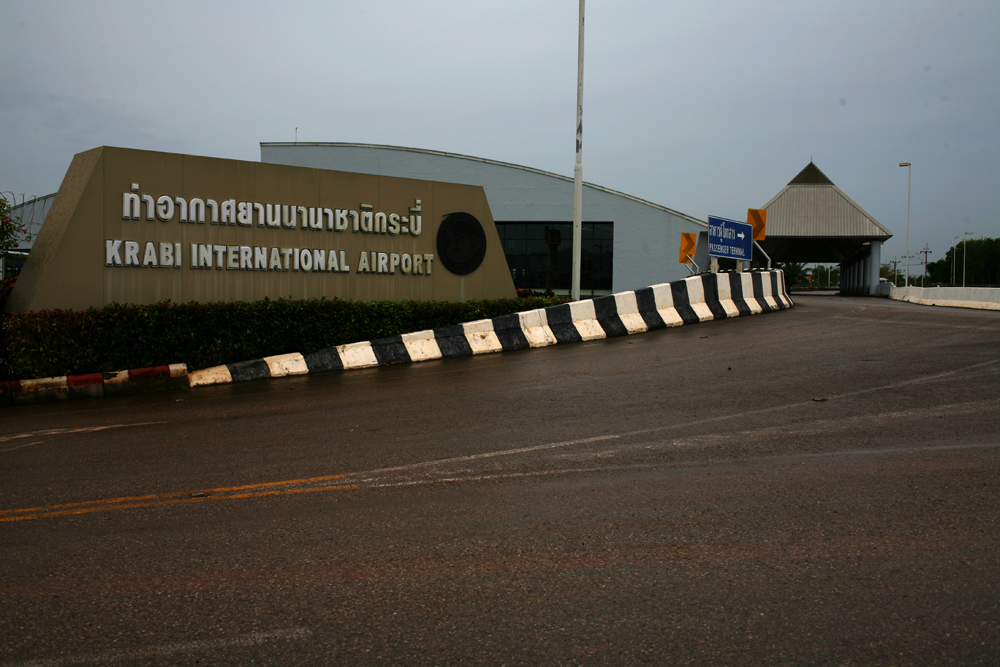
Thailand visa exemption rules now apply to arriving travelers at a Thai airport

What the new Thailand visa exemption rules actually say

The Thai Cabinet approved the framework on July 14, 2026. The Ministry of Interior published it in the Royal Gazette on August 31, 2026. It took effect 15 days later. Under the new structure, 60 countries and territories get a 30-day tourism-only exemption. Seychelles and Mauritius get just 15 days, according to TTG Asia’s report on the change.

India was added to the 30-day list after travel industry pushback. Industry groups had objected to its exclusion from an earlier 54-country version the Cabinet had approved in May. Visa on arrival, separately, is now limited to nationals of just three countries: Azerbaijan, Belarus and Serbia. Thirty-one countries had visa-on-arrival access back in 2024.

The old 60-day scheme is gone

The previous 60-day visa exemption is repealed outright. That scheme was introduced in July 2024 for 93 countries and territories. It stayed valid only for entries completed through September 14, 2026. Travelers who entered under the old rules keep their originally granted stay length. The same applies to travelers who arrived just before the cutoff, even after the new rules apply to everyone else.

Tourists in Thailand affected by the new Thailand visa exemption rules

Bilateral exemption deals with China, Russia and Vietnam are unaffected by any of this. Those countries’ travelers keep their existing 30-day arrangements regardless of the broader overhaul. Thailand negotiated those deals separately, outside the general exemption scheme this update replaces.

Why Thailand tightened the Thailand visa exemption rules

Thailand’s Public Relations Department pointed to several reasons for the change. These include national security, promoting tourism and economic interests, and reciprocity with other countries’ visa policies. The list also includes reducing overlapping exemption categories, and the growing convenience of the e-Visa system for travelers who now need one. The department also acknowledged the shift “could create confusion for foreign visitors.” That is a tacit admission that simplifying one system can complicate things for people used to the old rules.

The new rules also cap land border entries. Visa-exempt travelers crossing by land are now limited to two entries per calendar year. Malaysia, Brunei, Indonesia and Singapore are exempt from that specific cap. Thailand is not alone in tightening entry rules this year. Australia recently closed a separate onshore pathway for international students, which we covered in our report on Australia’s student visa changes.

Who needs to pay attention now

Short-term business and work visitors from the affected 60 countries face a new requirement. The revised exemption covers tourism only. That means anyone traveling for business purposes now needs an actual visa, even from a country on the 30-day tourism list. Travelers from any country left off both the 30-day and 15-day lists also need a visa starting from the September 15 effective date. The Visa Policy Committee will keep reviewing arrangements country by country. Thailand’s Deputy Prime Minister and Foreign Minister chairs that committee, and it weighs security and economic factors as it goes.

The broader pattern echoes shifts elsewhere in Asia. Japan raised its own visa fees fivefold earlier this year, detailed in our explainer on that increase. That fee hike is part of a wider regional trend toward tighter, more tiered entry rules across Asia’s major travel destinations.

Travel agents booking trips for groups spanning several nationalities now face a more complicated checklist than before. A single tour group could include travelers eligible for 30 days, travelers eligible for only 15, and travelers who need a visa outright, all on the same itinerary.

What happens next for Thailand travel

Expect the Visa Policy Committee to keep adjusting country-by-country placement on the 30-day and 15-day lists as it reviews security and tourism data. Travelers should check their own nationality’s current category before booking a trip. A country can move between the e-Visa, 30-day, and 15-day tiers as circumstances change. A category checked months ago may no longer apply by the time someone actually travels. Thailand’s tourism board has not announced a timeline for further revisions beyond that ongoing review.

For now, the practical advice is the same regardless of nationality: check the current rules close to the travel date, not months in advance. A booking made under one set of entry conditions can still run into a different set of rules by the time the trip actually happens.

Common questions about Thailand visa exemption rules

When did Thailand’s new visa exemption rules take effect?

The new rules took effect on September 15, 2026, 15 days after publication in the Royal Gazette on August 31, 2026.

How long can tourists stay visa-free in Thailand now?

Most of the 60 eligible countries and territories get a 30-day tourism-only exemption. Seychelles and Mauritius get 15 days.

What happened to the old 60-day visa exemption?

It is repealed. It stayed valid only for entries completed through September 14, 2026, under the scheme introduced in July 2024.

Does the new exemption cover business travel?

No. The revised visa exemption covers tourism only, so business and work visitors now need an actual visa even from countries on the 30-day list.

Which countries still have visa on arrival in Thailand?

Only Azerbaijan, Belarus and Serbia, down from 31 countries that had visa-on-arrival access in 2024.

Australia Lifts Skilled Visa Salary Floors for 482 and 186

The Australia skilled visa salary threshold rose on 1 July 2026, and it affects anyone sponsored on the Skills in Demand (subclass 482) or Employer Nomination Scheme (subclass 186) visas. Erickson Immigration Group reports that the Core Skills Income Threshold is now AUD 79,499, up from AUD 76,515. This explainer sets out the numbers, how they are set, and what it means for workers and employers.

At a glance

The numbers

Under the figures reported by the law firm, the Core Skills Income Threshold rose from AUD 76,515 to AUD 79,499, and the Specialist Skills Income Threshold rose from AUD 141,210 to AUD 146,717. Both apply to subclass 482 and 186 applications lodged on or after 1 July 2026. Khaleej Times repeats the same figures in its roundup of 2026 visa changes. Note that the source is a law firm rather than the government, so confirm the amounts with the Department of Home Affairs before lodging.

How the threshold is set

The thresholds are indexed every year under regulation 5.42A of the Migration Regulations, using Average Weekly Ordinary Time Earnings data. The firm says the 2026-27 figures use data for November 2025, are about 3.9% higher, and take effect automatically on 1 July with no new legislative instrument needed. The underlying earnings series comes from the Australian Bureau of Statistics.

Who it affects

The thresholds apply to the salary an employer offers a sponsored worker, on top of market-rate and other sponsorship requirements. Employers hiring overseas will need to budget for the new floor, and workers negotiating offers can use it as a minimum. The changes only apply to applications lodged from 1 July, so earlier lodgements follow the previous figures.

A worked example

Imagine a hypothetical Pakistani IT specialist, Hira, offered AUD 78,000 by a Melbourne employer for a role under the core skills pathway. Before 1 July that salary would have cleared AUD 76,515. For an application lodged now it falls below AUD 79,499, so the employer would need to raise the offer or the role would not qualify under that pathway. The example is for illustration only and does not account for market-rate checks.

If you are comparing destinations, read our coverage of Australia’s student visa reform and the UK rule changes, or run your profile through the visa eligibility checker.

Salary threshold FAQ

What is the new Core Skills Income Threshold?

AUD 79,499 for applications lodged on or after 1 July 2026, per Erickson Immigration Group.

What is the Specialist Skills Income Threshold now?

AUD 146,717, up from AUD 141,210.

Which visas does it cover?

The Skills in Demand subclass 482 and Employer Nomination Scheme subclass 186.

How much did it rise?

About 3.9%, according to the firm’s reading of the indexation formula.

Where do I check the official figure?

On the Department of Home Affairs website before lodging an application.

More from us: the Australian student visa changes.

Six More Canadian Cities Just Got Shut Out of Cheap Foreign Labour

Six more Canadian cities just lost access to low-wage foreign labour, at least for now. The latest Canada work permit freeze update, effective October 9, 2026, adds Halifax, Fredericton, Kingston, St. Catharines-Niagara, Regina and Lethbridge to the list of regions where most new low-wage work permit applications face an automatic refusal.

Canada work permit freeze shown through a Canadian flag outside a federal building

What triggered this round of the Canada work permit freeze

Employment and Social Development Canada updates regional unemployment rates every quarter. Any census metropolitan area with unemployment at or above 6% loses eligibility for most new low-wage Labour Market Impact Assessment applications. This quarter’s update pushed six more cities over that line. That is according to Moving2Canada’s analysis of the new figures.

The newly restricted regions and their unemployment rates are Halifax at 6.1%, Fredericton at 6.2%, Kingston at 6.3%, St. Catharines-Niagara at 6.5%, Regina at 6.7% and Lethbridge at 6.0%. Two regions moved the other way. Kamloops fell from 7.0% in July to 3.6%. Chilliwack dropped from 7.9% to 5.6%. Both regained eligibility for low-wage LMIA processing as a result.

How many regions are frozen now

Thirty census metropolitan areas now sit at or above the 6% threshold, up from roughly 26 last quarter. Only 11 regions remain below the line, down from 15 in July. The new figures apply to LMIA applications submitted between October 9, 2026 and January 7, 2027. Employment and Social Development Canada will issue the next quarterly update on January 8, 2027.

Warehouse workers in a region now covered by the Canada work permit freeze

The restriction has applied nationally since September 2024. It is part of a broader effort to prioritize Canadian and permanent resident workers in high-unemployment areas. We covered a related fairness change for employers in our report on Canada’s new work permit refusal rules. We also covered a related processing-time update in our piece on personalized wait-time estimates.

Who can still get an LMIA approved

Employers in a restricted region are not shut out completely. Raising the offered wage to the provincial or territorial median for that occupation moves the job into the high-wage stream. The freeze does not touch that stream at all. Employers can also simply wait roughly three months for the next quarterly update, in case local unemployment improves by then.

Several occupation categories are exempt from the freeze regardless of location. These include primary agriculture, construction, food manufacturing, hospital work, nursing and residential care, certain in-home caregiver roles, and short-duration jobs of 120 days or less that meet specific conditions. Workers already on a low-wage permit who cannot get it extended must stop working once that permit expires. They may still apply for a visitor record to remain in Canada without working.

That visitor-record option matters more than it might sound. It keeps a worker’s legal status intact while they look for a different path forward, rather than forcing them to leave the country the moment their work permit lapses.

Why this matters beyond Canada’s borders

Workers applying from abroad often choose a destination country partly based on how fast and how reliably a job offer can clear the paperwork. A freeze like this one changes those odds by city, not just by country. The calculation looks different for a worker eyeing Halifax than one eyeing Chilliwack this quarter, even though both cities sit in the same country under the same federal rules. Other countries are tightening labour rules too. The Netherlands recently rewrote its own work permit framework, a shift we detailed in our report on the Dutch changes.

Recruiters and employers who move workers between regions now have to track two moving targets: each province’s labour rules, and each city’s quarterly unemployment swing. A plan built around one city in July can look very different by October, as this quarter’s list change shows.

What happens next for Canada’s low-wage stream

The next scheduled update lands January 8, 2027. Quarterly unemployment swings have moved cities on and off this list before, in both directions. Employers in newly restricted cities who need workers soon have two realistic paths. They can raise wages into the high-wage stream, or they can wait out the quarter. Either way, nothing about this freeze is permanent for any single city. It resets every three months as the national jobs picture shifts.

Workers and employers alike are left watching the same quarterly calendar now. A city near the 6% line in October could tip either way by January, depending on local hiring and layoffs between now and then. That uncertainty is itself a planning cost, even before a single application gets filed.

Common questions about the Canada work permit freeze

Which cities were just added to the Canada work permit freeze?

Halifax, Fredericton, Kingston, St. Catharines-Niagara, Regina and Lethbridge were added effective October 9, 2026, after their unemployment rates rose to 6% or higher.

How many Canadian regions are affected by the freeze in total?

Thirty census metropolitan areas now have unemployment at or above the 6% threshold that triggers the low-wage LMIA restriction.

Can an employer still hire a foreign worker in a frozen region?

Yes, if the employer raises the wage to the provincial or territorial median for that occupation, which moves the job into the unrestricted high-wage stream.

How long does this version of the freeze last?

It applies to applications submitted from October 9, 2026 through January 7, 2027, when the next quarterly unemployment update takes effect.

Which jobs are exempt from the low-wage LMIA freeze?

Primary agriculture, construction, food manufacturing, hospital and residential care roles, certain in-home caregivers, and short-duration jobs of 120 days or less under specific conditions are all exempt.

Batteries Just Beat Gas Turbines on Price in Every Market on Earth

Four-hour batteries now cost less to run than open-cycle gas turbines everywhere analysts looked. That is the headline finding behind batteries cheaper gas turbines comparisons published this week by energy consultancy Wood Mackenzie. The firm modeled 43 markets across every continent. Batteries won the cost race in all of them.

batteries cheaper gas turbines shown through a grid-scale battery storage facility

How the batteries cheaper gas turbines comparison was done

Wood Mackenzie modeled the cost of building and running four-hour-duration battery storage. It compared that cost against open-cycle gas turbines, the type utilities often use for short bursts of peak power. Across all 43 markets, batteries came out ahead. The firm expects battery electricity costs to keep falling over the coming decades. It expects gas turbine costs to keep rising over that same stretch, according to TechCrunch’s report on the findings.

Ahmed Jameel Abdullah, a principal analyst at Wood Mackenzie, called the shift “decisive and widening.” In the Middle East and Africa specifically, the firm projects four-hour batteries will be 33% cheaper than gas turbines by 2035. That would mean batteries displacing gas peaking plants on cost. The firm expects that shift across every gas market it tracks in the region.

Data centers are driving gas turbine prices up

Rising electricity demand from AI data centers is pushing energy prices higher across the US and other markets. Developers building new data centers have been buying up gas turbines in bulk. That buying has driven prices higher for everyone else who needs one too. The effect hits open-cycle turbines hardest. Utilities rely on them as flexible peaking plants, even though they cost more to run than efficient combined-cycle units.

A gas turbine engine, the technology that batteries cheaper gas turbines analysis says is losing the cost race

Procurement delays compound the price problem. Open-cycle turbines now take two to four years to deliver. Waitlists for closed-cycle turbines stretch into the early 2030s. Both backlogs are adding to the cost of building any new gas-fired power plant. That holds whether or not the plant ends up serving a data center.

That backdrop connects directly to strains elsewhere in the AI buildout. Finland recently halted a Google data center project over power concerns. We covered that halt in our report on the Finland construction halt. Data center economics have also been under scrutiny after a separate revenue report rattled investors. We detailed that report in our coverage of OpenAI’s revenue numbers. Together, these stories paint a picture of an industry straining its own power supply faster than new plants can be built.

Solar still wins on raw cost, but faces its own hurdles

Wood Mackenzie’s analysis found solar power is the cheapest new electricity source in every market it surveyed, batteries included. In North America, though, tariffs and import restrictions are squeezing new solar projects. Utility-scale solar is expected to fare somewhat better than smaller rooftop projects. That is partly because 168 gigawatts of planned capacity is shielded by safe-harbor provisions tied to recent tax legislation.

China’s energy storage costs are running about 55% below those of its regional neighbors, the firm found. That gap gives Chinese battery manufacturers a pricing edge as global demand for grid storage keeps climbing. It also means the race to build the cheapest grid battery is, for now, not an especially close one.

Why this matters beyond the spreadsheets

A utility deciding how to meet a spike in demand now has a straightforward financial case for batteries over a new gas peaker, in market after market. That case gets stronger every year gas turbine backlogs stretch further into the future. It does not mean gas turbines disappear overnight. Existing plants keep running for decades. Some grids still need the specific kind of power only a turbine can supply on short notice, especially during long stretches of cloudy or windless weather that batteries alone cannot ride out.

For data center operators specifically, the math has gotten harder to ignore. A battery system ordered today can often be installed well before a turbine ordered on the same day even arrives. That timing gap alone is pushing some developers toward storage, independent of which technology is cheaper on paper.

What comes next for battery and turbine prices

Watch for utilities and data center developers to lean harder into battery storage contracts over the next few years. That shift should be sharpest where turbine waitlists already stretch past 2030. Wood Mackenzie expects the price gap between batteries and gas turbines to keep widening, not narrowing, through the next decade. The US gas turbine market specifically is expected to see tighter supply narrow over the coming ten years. That tightening should keep upward pressure on prices in that market too.

Common questions about batteries cheaper gas turbines

Are batteries actually cheaper than gas turbines everywhere?

Wood Mackenzie found four-hour battery storage cost less than open-cycle gas turbines in all 43 markets it modeled, across every continent surveyed.

Why are gas turbine prices rising?

AI data center developers have been buying gas turbines in large volumes, pushing up prices and extending delivery waitlists for everyone else who needs one.

How long do gas turbines take to deliver now?

Open-cycle turbines take two to four years. Closed-cycle turbine waitlists stretch into the early 2030s, according to Wood Mackenzie’s analysis.

Is solar even cheaper than batteries?

Yes, for new generation. Wood Mackenzie found solar is the cheapest new power source in every market surveyed, though batteries are needed to store that power for later use.

Does this mean gas turbines will stop being used?

No. Existing gas plants will keep running for years, and some grids still rely on turbines for power needs batteries cannot yet fully cover.

Wall Street Just Hit Near-Record Highs. Consumers Have Never Felt Worse.

The Dow closed Friday just shy of 51,655. The S&P 500 sat within reach of a record high. Yet a separate survey released the same morning showed American households feeling worse about the economy than they have in five months. That split is the stock market consumer sentiment gap this week’s data lays bare. Investors are cheering gains that the people buying groceries do not feel at all.

stock market consumer sentiment gap shown on a busy trading floor display

Friday’s rally, by the numbers

The Dow Jones Industrial Average gained 423.31 points, or 0.83%, to close at 51,654.95. The S&P 500 rose 46.18 points, or 0.59%, to 7,811.54. The Nasdaq Composite added 172.83 points, or 0.64%, ending at 27,366.17. All three indexes finished the week higher, capping a volatile stretch, according to Yahoo Finance’s market wrap.

Tech stocks led the bounce. They were recovering from a Thursday selloff tied to an AI revenue scare. The Financial Times had reported that OpenAI’s annualized revenue was running near $50 billion. That number fell short of what many investors expected. Bloomberg later reported that OpenAI still expects to reach or exceed $70 billion by year-end. That follow-up report helped calm nerves. We covered the original revenue report in our story on the $50 billion figure.

Why the stock market consumer sentiment gap opened up

Oil prices eased on Friday, which helped stocks. Brent crude traded near $104 a barrel. That followed President Trump saying Russia would supply diesel to US and global markets. Earlier in the week, Brent had fallen more than 1%. That drop came after Trump said the US would not strike Iran before the midterm elections. Just a day earlier, those same Middle East tensions had pushed US stocks the other way. See our report on stocks sliding as oil and yields climbed.

Financial data screens tracking the stock market consumer sentiment gap on October 9, 2026

Bond yields told a less cheerful story. The 10-year Treasury yield hovered near 5.25%, close to a 24-year high reached earlier in the week. Higher long-term yields raise borrowing costs across the economy, from mortgages to corporate loans, even while stock indexes climb. That combination, rising stocks alongside rising borrowing costs, is part of why ordinary households and investors can read the same week so differently.

The consumer sentiment side of the split

The University of Michigan’s preliminary October reading of consumer sentiment fell to 46.3. That is its lowest level since May. It also missed the 47.8 economists expected, according to data compiled by Trading Economics. Survey director Joanne Hsu said “frustration over cost-of-living continues to mount.” Her comment points squarely at the gap between index gains and kitchen-table budgets.

The survey’s own authors tie the drop partly to the ongoing Iran war and to tariffs. Both of those forces are pushing up prices households pay directly, every week, at the pump and in the grocery aisle. Those pressures do not show up the same way in a stock index. A stock index gets built from corporate earnings and future growth bets, not from this month’s grocery bill.

Earnings season adds a wrinkle

Delta Air Lines missed its third-quarter expectations and cut its guidance on Friday. The airline expects its full-year fuel bill to rise by roughly $6 billion. That is a direct hit from the same energy costs weighing on consumers. Earnings season unofficially begins next Tuesday, when the major Wall Street banks report. We previewed that run-up in our earnings season preview. Those bank results will show whether corporate America is absorbing higher rates and oil costs better than ordinary households are.

Mortgage borrowers are feeling a related squeeze. Rates sat at a three-year high earlier this month, a trend covered in our report on three-year-high mortgage costs. Stock gains do little to offset a bigger monthly house payment, and that gap between a rising portfolio and a rising mortgage bill is exactly the kind of split this week’s numbers capture.

None of this means the rally is fake, or that households are wrong to feel squeezed. Both readings can be true at once. Corporate profits and consumer budgets respond to different pressures, on different timelines, and this week happened to push them in opposite directions at the same moment.

What happens next for markets and households

Next week’s bank earnings will test whether Friday’s rally has real staying power. Strong results from JPMorgan and Goldman Sachs could extend the gains. Weak guidance, similar to Delta’s, could reopen the gap between stocks and sentiment even wider. Either way, the University of Michigan’s final October reading is due later this month. That reading will show whether households’ mood keeps sliding, or starts to stabilize instead.

Common questions about the stock market consumer sentiment gap

What is the stock market consumer sentiment gap?

It is the growing distance between rising stock indexes, which hit near-record levels on October 9, 2026, and falling consumer sentiment, which hit a five-month low the same week.

How much did the Dow rise on October 9?

The Dow Jones Industrial Average rose 423.31 points, or 0.83%, to close at 51,654.95.

Why did consumer sentiment fall in October?

The University of Michigan’s preliminary reading fell to 46.3, which its survey director linked to mounting frustration over the cost of living, including pressure from tariffs and the Iran war.

Why did oil prices ease on October 9?

Brent crude eased toward $104 a barrel after President Trump said Russia would supply diesel to US and global markets, following earlier comments that the US would not strike Iran before the midterms.

What does Delta Air Lines’ earnings miss have to do with this?

Delta cut its guidance and said its fuel bill would rise by about $6 billion this year, a concrete example of the same energy and cost pressures weighing on consumer sentiment.