• Mon - Fri 9.00 - 19.00

Yearly Archives: 2026

Sweden’s Election Just Got Too Close to Call

The Sweden general election race has tightened dramatically. Just over a week remains before the September 13 vote. A new poll shows the ruling right-wing coalition nearly erasing what had been a double-digit lead for the centre-left opposition. That shift makes the outcome far less predictable than it looked even a month ago.

How close the Sweden general election race has become

A new opinion poll shows Sweden’s four centre-left opposition parties holding a combined 50.3% of support. The ruling coalition sits at 47.7%. That gap is just 2.6 percentage points, within the margin of error. US News called it the smallest divide recorded in any survey published this year. As recently as mid-August, the opposition held a 10-percentage-point lead. That margin would have pointed clearly toward a change of government.

Why the gap narrowed so quickly
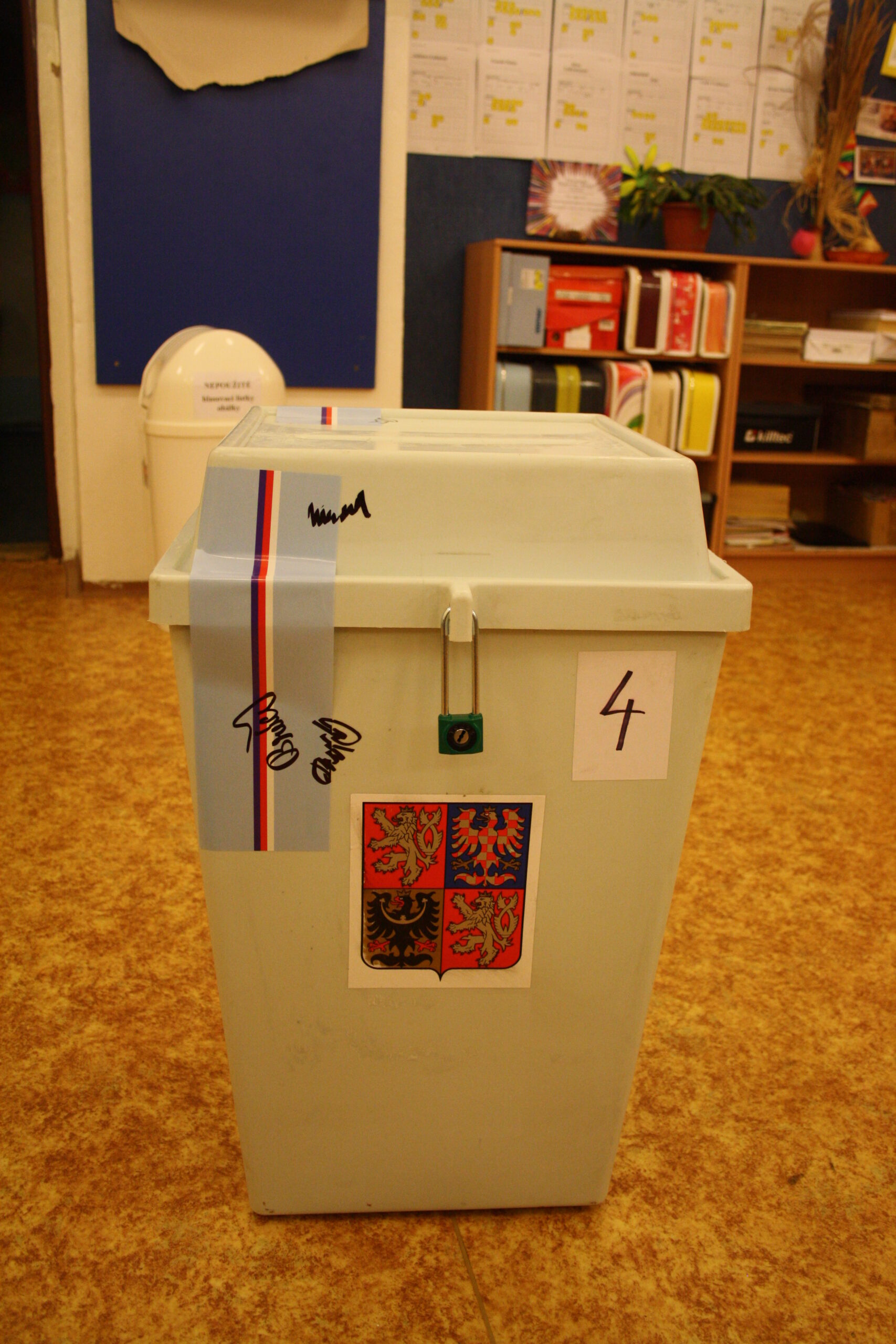
A ballot box used for voting, illustrating the close Sweden general election race

Polling shows the shift happened gradually but steadily. An August 11-23 survey put the coalition’s deficit at 6.8 percentage points. That was down from 9.5 points in June. Analysts point to a mix of factors common in tightening European races. Late-campaign momentum often favors the incumbent bloc. Enthusiasm among some opposition-leaning voters can soften as the actual vote approaches, too.

The coalition’s dependence on the Sweden Democrats

Sweden’s current minority government includes the Moderates, Christian Democrats and Liberals. It relies heavily on support from the right-wing populist Sweden Democrats to govern at all. In March 2026, the Liberals and the Sweden Democrats struck an agreement. Observers have dubbed it “the Sweden Promise.” It would hand the Sweden Democrats cabinet positions if the Tidö coalition wins a majority. That marks a significant shift for a party that previously supported governments only from outside the cabinet.

Sweden’s electoral system uses proportional representation, meaning smaller parties can still win seats even with modest vote shares. That structure makes coalition math unusually sensitive to small shifts in support, so a swing of even one or two points between now and election day could determine which bloc has enough partners to govern.

What a tightening race means for the vote itself

A margin this narrow raises the odds of genuine uncertainty on election night. Either bloc could plausibly form the next government. Turnout and undecided voters in the final days will likely decide it. A close result also raises the stakes around coalition negotiations afterward. Neither bloc looks likely to win a commanding majority outright at this point.

International observers, including delegations from other Nordic countries, are expected to monitor the vote given its potential to reshape regional alliances on migration and defense policy. A change of government in Stockholm would mark the first shift in Sweden’s ruling bloc in several election cycles.

What to watch before September 13

The final stretch of the Sweden general election race will likely bring more polling. New numbers could confirm the recent narrowing, or reverse it entirely. Whichever bloc ends up ahead, the closeness of the contest matters beyond the vote count itself. Post-election coalition talks are likely to be just as consequential. Much will hinge on whether the Sweden Democrats formally enter government for the first time in the party’s history.

Immigration policy, energy costs and law-and-order concerns have all featured heavily in this year’s campaign, echoing themes that have shaped elections across the Nordic region in recent years. Turnout in Swedish general elections typically runs above 80%, meaning the final result will hinge less on who shows up and more on how a relatively small share of undecided voters break in the campaign’s last days.

Quick answers to key questions

When is Sweden’s general election?
Sweden holds its general election on September 13, 2026.

How close is the Sweden general election race right now?
A recent poll put the centre-left opposition at 50.3% and the ruling coalition at 47.7%. That gap of 2.6 points sits within the margin of error.

Who is in Sweden’s current governing coalition?
The Moderates, Christian Democrats and Liberals govern as a minority. They rely on support from the Sweden Democrats.

What is “the Sweden Promise”?
It’s a March 2026 agreement between the Liberals and Sweden Democrats. It would give the Sweden Democrats cabinet positions if the coalition wins a majority.

How large was the opposition’s lead before it narrowed?
The centre-left opposition held roughly a 10-percentage-point lead as recently as mid-August.

Could either bloc win a majority outright?
Current polling suggests a close contest. That makes a clear majority for either side uncertain, with coalition talks likely afterward.

For more on elections and political shifts this year, see our coverage of Morocco’s general election and the opposition crackdown in Zambia.

Featured image: ArildV, CC BY-SA 4.0, via Wikimedia Commons. In-content image: Jiří Sedláček, CC BY-SA 3.0, via Wikimedia Commons.

A Hot Jobs Report Just Rattled Wall Street’s Rate-Cut Hopes

A stronger-than-expected August jobs report just pushed jobs report rate hike odds sharply higher. Wall Street fell on the news. Traders had to recalculate the chances of a Federal Reserve rate increase instead of a cut. Nonfarm payrolls rose by 162,000 in August. Economists polled by Dow Jones had expected only 53,000. Unemployment held steady at 4.1%.

Why the jobs report rate hike odds jumped so fast

CNBC reported the market reaction in detail. The surprise strength in hiring reignited a specific worry. Investors fear the labor market is running too hot for the Fed to comfortably cut rates. The Dow Jones Industrial Average fell 271.86 points, or 0.51%, to 53,414.25. The S&P 500 slid 0.38% to 7,718.60. The Nasdaq Composite dropped 0.29% to 26,506.99. Investors were pricing in a tougher path for monetary policy across the board.

What traders are now pricing in for the Fed’s September meeting

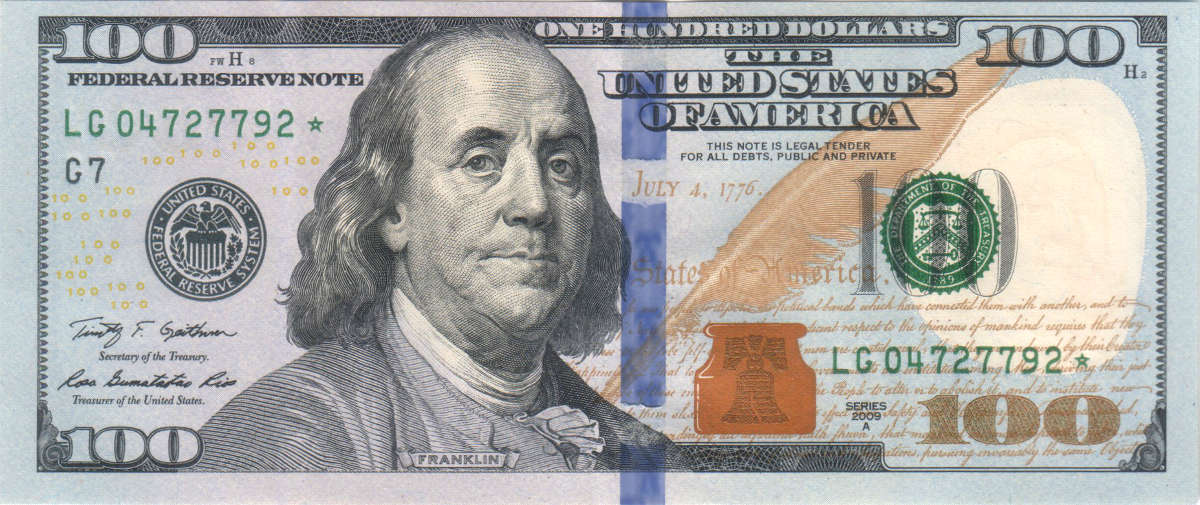
US Federal Reserve $100 note, tied to jobs report rate hike odds and Fed policy

Traders raised the odds fast. The implied probability of a 25-basis-point rate increase at the Fed’s September 15-16 meeting jumped to about 65%. That is up from roughly 55% before the report, based on CME Group’s FedWatch tool data cited by Reuters. This marks a real shift. Just weeks earlier, markets had leaned toward a possible rate cut rather than a hike. Now the mood has flipped.

The inflation data that could still change the picture

Ellen Zentner is chief economic strategist at Morgan Stanley Wealth Management. She cautioned that the jobs numbers are not the final word. “An upside surprise in payrolls will likely ramp up concerns about a rate hike, but that outcome is in the hands of next week’s inflation numbers,” Zentner said. Kiplinger quoted her directly. “If those come in cooler than expected, the Fed will likely feel comfortable discounting potentially inflationary signals coming out of the labor market.”

Bond markets moved alongside stocks on the news. The yield on the 10-year Treasury note ticked higher as investors priced in a tighter policy path. Higher yields tend to raise borrowing costs across the economy, from mortgages to corporate debt, which is part of why equity investors reacted negatively to a report that, on its face, signaled a healthy labor market.

How this compares with other central banks’ recent decisions

The Fed is not alone in wrestling with sticky inflation. The European Central Bank and the Bank of England have each held or adjusted rates in recent months. Both are balancing growth concerns against price pressures. A hawkish surprise from the Fed would put the US somewhat at odds with that trend. Most major central banks are holding steady or preparing to ease, at least for now. A US hike would stand out against that global backdrop.

Retail and manufacturing data due later this month will add further texture to the picture the Fed is weighing. A soft retail number could ease hiking pressure even if inflation comes in slightly warm, since policymakers weigh the full run of incoming data rather than any single report in isolation.

What happens between now and the Fed’s decision

The next major data point is the August inflation report. It arrives before the Fed’s September 15-16 meeting. That report is likely to be the deciding factor. It will determine whether the central bank raises rates, holds steady, or opens the door to a later cut. Markets are expected to stay volatile in the run-up. Every economic release between now and then will get scrutinized for its effect on rate-hike odds.

Wage growth figures released alongside the payrolls number offered a mixed picture, with hourly earnings rising modestly but not dramatically. That detail matters because it feeds directly into the Fed’s broader inflation calculus. A jobs market that adds workers quickly without pushing wages sharply higher gives policymakers more room to maneuver than a report showing both metrics running hot at once.

Common questions, answered

What drove the jump in jobs report rate hike odds?
August nonfarm payrolls rose 162,000. That was far more than the 53,000 expected. Traders responded by raising the odds of a Fed rate increase.

How did stocks react to the report?
The Dow fell 271.86 points. The S&P 500 dropped 0.38%. The Nasdaq slid 0.29% as investors repriced rate expectations.

What are the odds of a Fed rate hike now?
Traders were pricing in roughly 65% odds of a 25-basis-point increase at the Fed’s September 15-16 meeting. That is up from about 55% before the report.

Could the Fed still avoid raising rates?
Yes. Economists say next week’s inflation data will be decisive. A cooler-than-expected reading could ease pressure for a hike.

What is the unemployment rate right now?
Unemployment held steady at 4.1% in the August report.

When does the Fed meet next?
The Federal Reserve’s next policy meeting runs September 15-16.

For more on central bank policy this year, see our coverage of the Federal Reserve’s September rate outlook and the European Central Bank’s latest rate decision.

Featured image: Carlos Delgado, CC BY-SA 3.0, via Wikimedia Commons.

Apple’s App Tracking Rules Just Landed It a $2.7 Billion UK Lawsuit

Apple is facing a new Apple UK antitrust lawsuit. The claim is worth roughly £2 billion, or about $2.7 billion. Lawyers filed it at the UK’s Competition Appeal Tribunal on September 3. Thousands of British app developers stand behind the claim. It argues that Apple built its App Tracking Transparency system to steer users a certain way. Users get nudged away from letting rival apps track them. At the same time, the system quietly favors Apple’s own advertising business.

What the Apple UK antitrust lawsuit actually alleges

Ann Pope filed the collective action. She is a former senior director at the UK’s Competition and Markets Authority. Tech Times reported the details. The suit claims Apple designed its ATT consent prompts with a bias built in. They discourage users from allowing tracking by outside developers’ apps. But Apple presents a friendlier, less discouraging version of that same choice for its own services.

App Tracking Transparency launched back in 2021 as a privacy feature. It requires apps to ask permission before tracking users across other apps and websites for advertising. Apple has always framed it as a win for user privacy. This lawsuit argues it doubled as something else too: a competitive weapon aimed at rival ad networks.

Why UK developers say they were overcharged

Smartphone home screen with apps, central to the Apple UK antitrust lawsuit over tracking prompts

PhoneArena outlined the economic argument behind the claim. By suppressing rival ad-tracking while preserving its own, Apple allegedly pushed advertising spend toward its own platform. That shift indirectly raised costs for developers. Many of those developers rely on third-party ad networks to reach users effectively. This case joins a growing list. Several UK class actions have targeted large tech platforms over App Store and advertising practices in recent years.

UK collective actions of this size rarely move quickly. The £1.8 billion App Store case against Apple, filed earlier, took years just to reach a certification hearing. Legal analysts expect a similar timeline here, meaning any payout to developers is unlikely before 2028 at the earliest, even if the tribunal ultimately rules against Apple.

Apple’s likely defense

Apple has consistently defended ATT on privacy grounds rather than competition grounds. The company argues it applies the same consent requirement to every app, including its own. Apple has not yet filed a detailed public response to this specific claim. Previous UK App Store lawsuits against Apple offer a clue about timelines. Those cases have taken years to reach trial or settlement.

How this fits the wider antitrust pressure on Apple

The Apple UK antitrust lawsuit lands amid a broader run of scrutiny. Regulators and courts keep circling how dominant platforms treat rivals on their own infrastructure. Apple is also fighting a separate £1.8 billion UK App Store lawsuit right now. Regulators in the EU and US have opened their own inquiries into similar platform-dominance questions. Together, these cases suggest Apple’s app ecosystem will stay under legal pressure for years, not months.

What happens next in the case

The Competition Appeal Tribunal must first certify the case as a valid collective action. Only then can it proceed to a full hearing on the merits. Similar UK tech cases have taken a year or more to reach that stage. Apple is expected to contest two things: the size of the claimed damages, and the underlying allegation of anticompetitive intent. Developers named in the action will not see a payout unless the tribunal certifies the class. A ruling against Apple, or a negotiated settlement, would also need to happen first.

The case also lands at a moment when regulators are paying closer attention to how much control Apple exerts over discovery and monetization inside its own ecosystem. Developers have long complained that Apple’s rules leave them with few alternatives, since iPhone users can only install apps through channels Apple controls or approves. A ruling against Apple in this case could set a precedent that shapes how privacy features are designed across the wider industry, not just at Apple.

FAQ: what you need to know

What is the Apple UK antitrust lawsuit about?
It alleges Apple designed its App Tracking Transparency prompts to discourage tracking by rival apps. Meanwhile, the system favored Apple’s own advertising business. UK app developers filed the claim.

How much money is being claimed?
The claim is valued at roughly £2 billion. That equals about $2.7 billion.

Who filed the case?
Ann Pope filed it. She is a former senior director at the UK Competition and Markets Authority. Thousands of UK app developers back the claim.

What is App Tracking Transparency?
It is an Apple privacy feature launched in 2021. It requires apps to ask permission before tracking users across other apps for advertising.

Has Apple responded to the lawsuit?
Apple has not issued a detailed public response to this specific claim yet. Historically, Apple defends ATT as a privacy measure applied equally to every app.

Is this Apple’s only UK antitrust case?
No. Apple separately contests a £1.8 billion UK App Store lawsuit. Together they form a wider pattern of tech antitrust litigation in the UK.

For related coverage of tech platform accountability, see our reporting on the FTC’s case against Amazon over advertiser overcharging and the EU AI Act’s new transparency rules.

Featured image: Casper Moller, CC BY 2.0, via Wikimedia Commons.

Argentina Just Threatened Sanctions Over Oil Near the Falklands

Argentina’s government has announced new Falkland Islands oil sanctions. The move targets companies working near the disputed South Atlantic archipelago. It revives a sovereignty dispute with Britain that dates back more than four decades. President Javier Milei made the announcement on September 4. He wants a law change that allows tougher penalties. Those penalties would hit firms that service hydrocarbon exploration near the islands. The timing matters: a British-led drilling project is about to move forward.

What the Falkland Islands oil sanctions actually target

The Falkland Islands oil sanctions do not target the islands themselves. They target the companies that service offshore drilling nearby. Milei’s proposal would let Argentina penalize shipping companies, suppliers and insurers. Any firm that supports hydrocarbon exploitation in waters Buenos Aires still claims could face sanctions. Milei paired the sanctions push with a military announcement. He unveiled new funding for a naval base in Argentina’s southernmost province. That step would increase the country’s military presence near the islands.

The islands are known as the Malvinas in Argentina. Britain has administered them since 1833. Argentina and the UK fought a 74-day war over the territory in 1982. Britain won that war. Argentina has never dropped its underlying claim. Roughly 3,400 people live on the islands today, and referendums there have repeatedly shown strong support for remaining British.

Why the Sea Lion project reignited the oil dispute

Helicopter servicing an offshore platform, similar to operations covered by Falkland Islands oil sanctions

The trigger this time is Sea Lion, a deep-sea oil project. It sits about 220 kilometers north of the Falklands. British company Rockhopper Exploration and Israel’s Navitas Petroleum are developing it together. They plan to begin drilling in the coming months. First oil is targeted for 2028, according to CNN. Argentina has long objected to commercial exploitation of resources near the islands without its consent. The project’s advance toward active drilling appears to have accelerated Milei’s response now.

Trump’s comments give Milei new leverage

Milei’s escalation follows remarks from US President Donald Trump. Trump suggested Washington could revisit its long-standing position on Falklands sovereignty. That position is often called “strategic ambiguity.” It has accepted de facto British rule without formally endorsing either country’s claim. According to NPR, Milei seized on those comments quickly. He is framing the sanctions push as newly viable. His bet: a friendlier White House posture gives Argentina more room to press its case internationally.

Britain’s response to the Falkland Islands oil sanctions threat

UK Defence Secretary Wes Streeting rejected any suggestion that Britain’s position was under threat. “The Falklands are British because Falkland Islanders choose to be British,” he said. He described London’s commitment to the territory as “absolute and unshakeable.” Al Jazeera reported those remarks on September 4. British officials have made similar statements during past flare-ups in the dispute, and this one echoes that established pattern.

What comes next for the Falklands oil standoff

Milei’s sanctions plan still needs to clear Argentina’s congress. It is not yet clear how Argentina would enforce it against foreign companies operating outside its jurisdiction. Rockhopper and Navitas have given no public sign that political pressure will delay their drilling timeline. The bigger variable is Washington. If Trump’s administration follows through on reconsidering its neutral stance, that could reshape the diplomatic backdrop entirely. This is a dispute that has simmered largely unchanged since 1982. For now, both London and Buenos Aires are holding their positions. The Sea Lion project remains on track for drilling within months, regardless of the political noise around it.

Fishing and tourism remain the islands’ main industries today, alongside the hope that offshore oil could eventually diversify the economy. Argentina’s economy, meanwhile, has struggled with inflation and currency pressure for years, giving Milei a political incentive to rally nationalist sentiment around a cause with broad domestic support. Falklands sovereignty remains one of the few issues that unites Argentine politicians across the ideological spectrum, which helps explain why the topic keeps resurfacing regardless of who holds power in Buenos Aires.

Frequently asked questions

What are the new Falkland Islands oil sanctions?
They are penalties Argentina’s government wants to impose on companies that service oil and gas exploration near the Falkland Islands. The plan requires a change to Argentine law before it can take effect.

Which companies are involved in the Sea Lion oil project?
British firm Rockhopper Exploration and Israel’s Navitas Petroleum are developing the project. It sits about 220 kilometers north of the islands.

Why did Trump’s comments matter to this dispute?
Trump suggested the US could reconsider its neutral stance on Falklands sovereignty. Milei has cited that as an opening to press Argentina’s claim more forcefully.

Has the UK responded to the sanctions threat?
Yes. UK Defence Secretary Wes Streeting reaffirmed Britain’s commitment to the islands. He called it “absolute and unshakeable.”

When would Sea Lion oil actually start flowing?
Developers are targeting the start of production in 2028. Drilling itself is expected to begin within the coming months.

Is this the first clash between Argentina and the UK over the Falklands?
No. The two countries fought a war over the territory in 1982. Disputes over resource rights near the islands have recurred periodically since then.

For more on how governments are using trade and diplomatic pressure this year, see our coverage of Canada’s retaliatory tariff dispute with the US and the opening of this year’s UN General Assembly.

Featured image: European Space Agency, satellite image of the Falkland Islands. In-content image: James from Cheltenham, Gloucestershire, CC BY-SA 2.0, via Wikimedia Commons.

The US Is Still Turning Away Flights Over Ebola — Here’s Who It Affects

CDC Ebola entry restrictions tied to the ongoing 2026 Central Africa outbreak remain in effect for travelers who have recently been in the Democratic Republic of the Congo, Uganda or South Sudan. The Centers for Disease Control and Prevention first issued the order on May 18, 2026. It has renewed the order monthly since — most recently on August 12, 2026, for a 30-day period — according to the CDC’s own order text.

The measure suspends U.S. entry for foreign nationals who were physically present in any of the three countries within the preceding 21 days. The CDC maintains guidance on assessing and managing affected travelers on its emergency guidance page.

Who the CDC Ebola Entry Restrictions Actually Cover

The order exempts U.S. citizens and nationals outright. Military personnel and U.S. government employees serving overseas are exempt too. Everyone else who has been in the DRC, Uganda or South Sudan within 21 days of a scheduled flight cannot board a commercial flight to the United States. The rule applies regardless of the traveler’s ultimate nationality, as long as they are not a U.S. citizen or national.

People already inside the United States face a different set of rules. Those who recently returned from an affected country get screening and monitoring, not an entry bar, under separate CDC guidance. The restriction targets boarding a flight to the U.S. It does not target movement within the country after arrival. Nobody who departed an affected country more than 21 days earlier needs any monitoring at all.

Airlines connecting through the region check travel history before allowing boarding. That puts the practical enforcement point at the departure gate, not on arrival in the United States. A traveler who has been in an affected country within the 21-day window should expect a turn-away at check-in, not at U.S. immigration.

Why the CDC Keeps Renewing the Ebola Entry Restrictions

The order has been renewed four times since May, in June, July and August, each for roughly a 30-day window. That reflects the CDC’s usual approach: tie the restriction’s duration to the outbreak’s active status, rather than issue it as a one-time, open-ended measure. New cases in the DRC keep the restriction alive. Expect it to keep getting extended on a similar rolling basis as long as the 2026 Central Africa Ebola epidemic continues.

This travel measure is one of several disruptions affecting international travel in recent weeks. Tamara News has also covered airline disruptions tied to the security situation around Beirut and the potential effects of a U.S. government shutdown on air travel. All three are part of a broader pattern of travel friction building heading into the fall.

What Travelers From Affected Countries Should Know

Anyone planning U.S. travel who has recently been in, or plans to visit, the DRC, Uganda or South Sudan should check the order’s current status before booking. The 21-day exposure window counts physical presence in the country. It does not depend on intent to travel onward from a third country. The State Department’s consular guidance is the authoritative source for the order’s current expiration date and any updates.

Travelers with connecting flights through the region face particular risk of confusion. A layover inside an affected country still counts as physical presence there, even if the traveler never leaves the airport. Anyone routing through Kinshasa, Entebbe or Juba on the way to the U.S. should confirm their specific itinerary against the order’s exact wording. A short layover is not automatically safe.

Travel agents and airline staff booking multi-leg itineraries through Central and East Africa have had to build this restriction into their standard screening checklists. A routing that looked routine six months ago can now trigger an automatic denial at check-in. That is why airlines have leaned on the 21-day rule so heavily in their own booking systems. Most now flag affected itineraries well before a traveler ever reaches the airport.

How Long the Ebola Restrictions Could Last

The current order, issued August 12, runs for roughly 30 days. That puts its next renewal decision around mid-September 2026. Whether the CDC extends it again depends directly on whether new Ebola cases keep appearing in the DRC. That is the same pattern driving four consecutive monthly renewals so far. Travelers with upcoming plans should check back around that mid-September window for the next update.

Airport shuttle bus amid CDC Ebola entry restrictions

Reader Questions, Answered

Which countries are covered by the CDC Ebola entry restrictions?
The Democratic Republic of the Congo, Uganda and South Sudan.

Who is exempt from the restrictions?
U.S. citizens and nationals, along with military personnel and U.S. government employees serving overseas.

How long is the exposure window that triggers the restriction?
21 days. Anyone physically present in an affected country within 21 days of a scheduled U.S.-bound flight is barred from boarding.

When was the order first issued and how often is it renewed?
First issued May 18, 2026, and renewed monthly since — in June, July and most recently August 12, 2026, for a 30-day period.

Does the restriction affect people already inside the United States?
No entry bar applies to people already in the U.S.; separate CDC guidance recommends screening and monitoring for those who recently returned from an affected country.

Featured image: “CDC fever screening station at Taoyuan Airport 20070401a.jpg” by Patrick Nosker (CC BY-SA 3.0), via Wikimedia Commons. In-content image: “Funny Shuttle Bus Between Terminals At Dulles Airport (4128589294).jpg” by paul_houle (CC BY-SA 2.0), via Wikimedia Commons.