• Mon - Fri 9.00 - 19.00

Author Archives: Francisca Samuel

Author: Francisca Samuel

Francisca Samuel is an editor at Tamara News, where she covers immigration, travel, business and technology news for readers across Africa and the Gulf.

Chipmakers Are Rallying Again — And It’s Not About Earnings This Time

Asian and US stocks climbed this week as falling oil prices and easing Treasury yields lifted risk appetite across markets. The stock market AI trade rally centered on chipmakers. This gained ground as investors bet that easing Middle East tensions would remove one of the biggest overhangs on tech valuations this quarter.

New York Stock Exchange building during the stock market AI trade rally

What’s fueling the stock market AI trade rally

The rally followed a familiar pattern this year: geopolitical relief translating directly into tech-sector buying. As oil prices fell and hopes rose for diplomatic progress in the Iran war. Asian markets were poised to extend a tech-fueled rally that began on Wall Street. Chipmakers led the move. Recovering ground lost during weeks when war-risk pricing weighed on the sector regardless of company-specific fundamentals.

The timing matters. This rally comes just days after the Federal Reserve’s first rate hike since 2023. A move that in isolation would typically pressure growth stocks like chipmakers. Instead, the geopolitical relief trade has, for now, outweighed the rate-hike drag.

How this fits the AI trade’s rough September

Chipmakers had a mixed month before this rally. Broadcom lost ground after investors reacted negatively to its fourth-quarter revenue forecast. Even though the company had beaten earnings estimates. Nvidia, meanwhile, made its second-biggest acquisition of the year, a deal for Hugging Face. Showing the AI infrastructure buildout continuing even as individual stock reactions stayed choppy. The current rally suggests investors are separating company-specific earnings jitters from the sector-wide war-risk discount that had been dragging on chip valuations broadly.

Nvidia’s Hugging Face acquisition offers a useful contrast. The deal itself was announced before this week’s rally began. Yet Nvidia shares moved with the broader chip sector rather than trading independently on the acquisition’s own merits. That pattern, where sector-wide sentiment overwhelms company-specific news. Has been a defining feature of chip stock behavior since the war escalated. And it is part of why individual earnings beats or misses have mattered less than usual this quarter.

Why bond yields matter to this story

Falling Treasury yields did as much work as oil prices in this rally. Higher yields make future tech earnings worth less in today’s dollars. This is part of why growth stocks sold off when yields hit a 20-month high earlier this month. The reversal in yields alongside the oil-price drop created a rare double tailwind for the sector. One that traders are treating as a bet on Iran de-escalation rather than a shift in underlying AI demand.

Fixed-income strategists note that this kind of dual tailwind. Falling yields and falling oil together, is unusual outside of a clear recession signal. This is not what’s happening here. Instead, both moves trace back to the same single catalyst: reduced war-risk pricing. That makes this rally more fragile than a typical yield-driven rotation into growth stocks. That is because it depends on a diplomatic outcome rather than a change in underlying economic fundamentals like inflation or employment data.

Portfolio managers who lived through the April and July collapses of earlier ceasefire attempts say they are treating this rally more cautiously than the headline gains suggest. Keeping hedges in place even while adding to chip positions. That mixed positioning, buying the rally while hedging against its reversal. Reflects a market that has learned not to fully trust Iran de-escalation headlines until a signed agreement actually holds for more than a few weeks.

Retail investors have piled into chip-sector exchange-traded funds during the rally at a faster pace than institutional flows would typically suggest is warranted this early in a diplomatic process. That is according to fund-flow data tracked by several market research desks. That gap between retail enthusiasm and institutional caution has, in prior rallies tied to this conflict. Tended to widen just before a reversal. Making it one more signal worth watching alongside the underlying ceasefire talks themselves.

What happens next for the AI trade

The rally’s durability depends heavily on whether the current round of ceasefire diplomacy holds. Prior diplomatic tracks between the US and Iran broke down within weeks in both April and July. Each time reversing the market optimism that preceded them. Investors watching the chip sector are treating this as a geopolitics trade first and an earnings trade second. That means any new incident near the Strait of Hormuz could unwind the gains as quickly as they appeared.

Frequently asked questions

What’s driving the stock market AI trade rally?
Falling oil prices and easing Treasury yields, both tied to hopes for Iran war de-escalation, are lifting chipmaker stocks this week.

Did the Fed’s rate hike hurt the rally?
The Fed raised rates for the first time since 2023 just days earlier, which would typically pressure growth stocks, but geopolitical relief has outweighed that drag so far.

How did Broadcom and Nvidia factor in?
Broadcom fell on a soft revenue forecast despite beating earnings, while Nvidia made a major acquisition of Hugging Face, showing mixed company-specific signals within the broader rally.

Why do bond yields matter to chip stocks?
Higher yields reduce the present value of future tech earnings, so falling yields alongside falling oil prices created an unusually strong tailwind for the sector.

Could this rally reverse quickly?
Yes. Prior Iran diplomatic tracks collapsed within weeks in April and July, and a new incident near the Strait of Hormuz could unwind the gains just as fast.

Related coverage

Sources

A Quiet ATC Software Swap Is Snarling Flights Into Boston, Newark and Philadelphia

An air traffic control equipment change across the Northeastern United States is disrupting flights into three major airports this week. The Northeastern US flight disruptions run from Monday 21 to Tuesday 22 September. Affecting KLM and other carriers flying to, from or via Boston Logan, Newark Liberty and Philadelphia International.

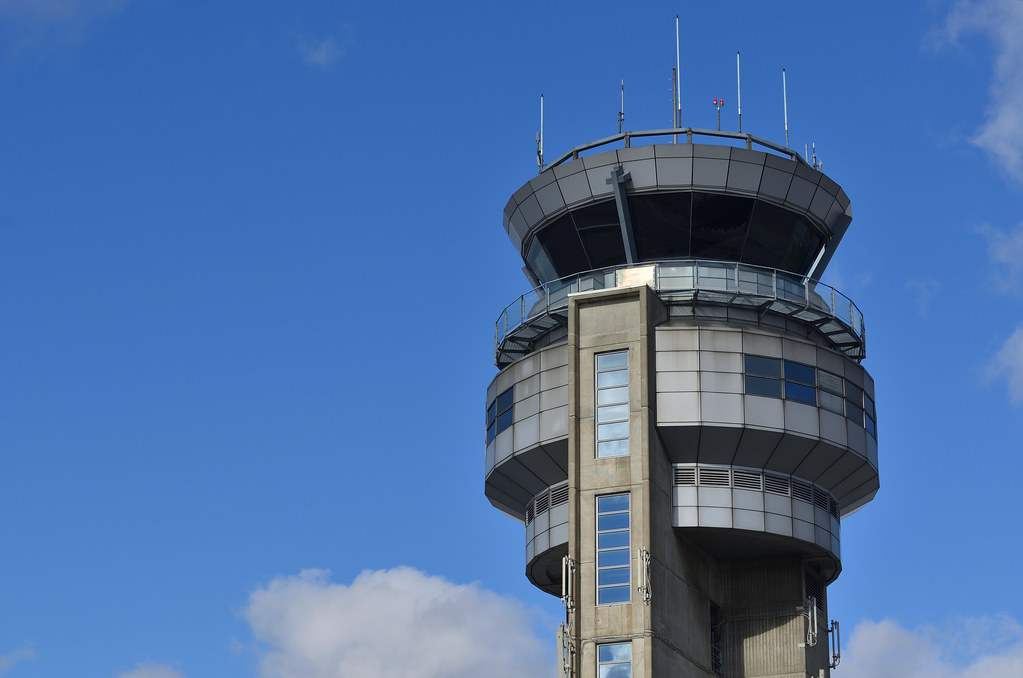
Air traffic control tower amid Northeastern US flight disruptions

What’s behind the Northeastern US flight disruptions

Airlines including KLM have warned passengers that some flights connecting through the three airports may face delays or rebooking during the two-day window. The disruption stems from an equipment change inside the region’s air traffic control system rather than weather or a labor action. This typically means shorter, more predictable delay windows once the swap is complete. But can still cause knock-on schedule problems across a busy travel corridor.

The three airports handle a heavy share of transatlantic and domestic connecting traffic on the US East Coast. So even a short technical window can ripple into missed connections well beyond the region itself.

How this compares with the broader US delay surge

This week’s disruption follows a rougher stretch for US aviation more broadly. Earlier this month, the country logged 868 delays in a single day. A surge attributed to a mix of staffing and system strain across multiple regional control centers. Britain’s own NATS air traffic system produced a separate high-profile failure report during the same period. Aviation regulators on both sides of the Atlantic have faced pressure this year to modernize legacy control infrastructure without triggering the very disruptions that infrastructure work often causes in the short term.

What travelers through the three airports should expect

Airlines are offering flexible rebooking for affected itineraries rather than blanket cancellations. Passengers with connections through Boston. Newark or Philadelphia during the window should check flight status directly with their carrier before heading to the airport. That is because equipment-change windows can shift delay patterns hour to hour rather than producing a single predictable disruption period.

Travel advisers recommend building in extra connection time for any itinerary routed through the three airports this week. That matters most for international travelers whose onward flights may not accommodate a missed domestic connection. Airport lounges and customer service desks at all three facilities have reported higher-than-normal foot traffic since the equipment change window opened. A sign that even short technical disruptions can strain terminal operations well beyond the runway itself.

What happens once the equipment change finishes

Once the swap is complete, normal traffic flow is expected to resume without a lingering backlog. Based on how similar regional ATC upgrades have played out elsewhere this year. The bigger open question is whether this becomes a template for further modernization work at other East Coast facilities. This would mean more short. Scheduled disruption windows like this one rather than the kind of open-ended system failure Britain’s NATS report examined.

Aviation analysts note that scheduled, announced disruptions like this one are generally preferable to the alternative. Unplanned system failures that give airlines and passengers no advance warning at all. The Northeastern corridor’s aging control infrastructure has been flagged for modernization for years. And this week’s window, disruptive as it is for affected travelers. Represents exactly the kind of proactive maintenance regulators have been pushing airports to schedule rather than defer.

Industry groups representing East Coast airports have called for more advance public notice ahead of future maintenance windows. Arguing that a longer lead time would let travel agents and corporate travel managers adjust bookings before disruption hits rather than scrambling once flights are already affected. The Federal Aviation Administration has not indicated whether it plans to change its notification timeline for similar upgrades planned at other facilities in the region over the coming year.

Business travel managers at several large employers in the Boston and New York corridors say they have already rerouted staff through secondary airports where possible for the duration of the window. A workaround that adds cost and travel time but avoids the uncertainty of connections through the three affected hubs. That kind of informal rerouting, multiplied across thousands of individual travelers. Is part of why even a short technical disruption can produce outsized ripple effects across the region’s broader travel economy.

For most leisure travelers, though, the practical advice stays simple. Check the airline’s app or website before leaving for the airport. Build in extra buffer time for any connection routed through the three affected hubs. And expect the disruption to resolve on its own schedule once the equipment change window closes on Tuesday.

Frequently asked questions

Which airports are affected by the Northeastern US flight disruptions?
Boston Logan, Newark Liberty and Philadelphia International are the three airports affected by the equipment change window.

What caused this specific disruption?
An air traffic control equipment change in the Northeastern US, running from 21 to 22 September, rather than weather or a labor dispute.

Which airlines have warned passengers?
KLM has issued advisories for flights to, from or via the three affected airports, and other carriers serving the region may see similar schedule effects.

Is this connected to the earlier US flight delay surge?
It follows a separate incident earlier in September when the US logged 868 delays in a single day, though the causes are distinct.

Should I rebook my flight through these airports?
Airlines are offering flexible rebooking for affected itineraries. Check your carrier’s flight status directly before departing for the airport.

Related coverage

Sources

Trump Just Extended the $100,000 H-1B Fee Through 2027 — Even Though Courts Blocked It

President Trump has extended the $100,000 H-1B fee requirement for another year. Even so, a federal court order currently blocks US Citizenship and Immigration Services from collecting it. The H-1B fee extension, signed as a proclamation on 18 September. Pushes the fee’s expiration date to 21 September 2027 for covered petitions involving workers outside the United States.

A US consulate visa window tied to the H-1B fee extension

What the H-1B fee extension actually changes

The proclamation, titled “Restriction on Entry of Certain Nonimmigrant Workers,” extends a fee first imposed in September 2025. USCIS collected it for nearly a year before a district court blocked enforcement in the summer of 2026. That court order remains in effect. So employers are not currently being charged the fee even though the underlying policy has been renewed. The extension matters because it signals the administration’s intent once litigation resolves. It is not an immediate new cost for employers filing H-1B petitions today.

The proclamation arrived alongside a separate executive order. “Enhancing Program Integrity and Interagency Coordination in the Administration of the H-1B Nonimmigrant Visa Program,” issued the same week. That order directs the Departments of Labor, Homeland Security and State to scrutinize an employer’s layoffs. That includes contemplated ones, throughout the H-1B process.

Why the layoff-scrutiny order matters more right now

Immigration attorneys tracking the filings say the layoff-review directive could have a more immediate effect than the fee extension. That is precisely because the fee itself is tied up in court. Employers planning workforce reductions while also sponsoring H-1B workers now face closer federal review of that overlap. The order does not set a specific numeric threshold for what counts as disqualifying layoff activity, leaving significant discretion to the agencies implementing it.

Immigration lawyers advising employers say the practical effect is a chilling one. This holds regardless of how the fee litigation eventually resolves. Companies now have to document and justify workforce decisions with an eye toward federal review that did not exist before this month. Even for routine restructuring unrelated to H-1B hiring. That documentation burden falls hardest on mid-size employers who lack in-house immigration counsel and previously treated H-1B sponsorship as a straightforward filing process.

How this fits the broader H-1B tightening this year

The fee extension is the latest in a string of changes to the program this year. Following a new weighted selection process for the FY2027 H-1B lottery and a $250 visa integrity fee applied across most visa categories. Employers who adjusted hiring plans around the original fee’s September 2025 introduction are now watching the court case closely. That is because a reversal on appeal could revive collection well before the new 2027 expiration date arrives.

Universities and hospital systems. This rely on H-1B sponsorship for specialized researchers and physicians. Have been especially vocal about the cumulative effect of these changes. Individually, the weighted lottery, the integrity fee and the fee extension each address a narrow policy goal. Taken together, employer groups argue the combined cost and compliance burden is reshaping which organizations can realistically sponsor foreign talent at all. Favoring large corporations with dedicated immigration teams over smaller research institutions and regional hospital networks.

Some employers are responding by shifting recruitment toward other visa categories or expanding remote-work arrangements for candidates who can perform the role from outside the United States entirely. Sidestepping the H-1B process altogether where the job allows it. That workaround is not available for roles requiring an on-site presence, such as most clinical and laboratory positions. This is part of why hospital systems in particular have struggled to adapt to the accumulating cost of this year’s changes.

Foreign nationals already working in H-1B status face a quieter but no less real form of uncertainty: renewal timing. Attorneys say some employers have begun filing extensions earlier than usual. Worried that further policy shifts could complicate the process closer to an employee’s actual expiration date. That defensive filing pattern adds its own processing burden to an already strained USCIS system. Even before accounting for the litigation still working through the courts.

What happens next for H-1B employers

The fee remains unenforceable while the district court’s block stands. And the administration has not indicated whether it will appeal that specific ruling on an expedited basis. Employers filing new H-1B petitions for workers outside the US should watch both tracks separately: the fee litigation. And the newly active layoff-scrutiny process. This is not currently subject to any injunction and applies regardless of how the fee case resolves.

Frequently asked questions

Is the $100,000 H-1B fee being collected right now?
No. A federal district court order from summer 2026 currently blocks USCIS from collecting it, even though the underlying proclamation has been extended.

How long was the fee extended?
The proclamation extends the fee requirement through 21 September 2027 for covered H-1B cases involving workers outside the United States.

What does the new executive order do?
It directs the Departments of Labor, Homeland Security and State to scrutinize an H-1B employer’s layoffs and contemplated layoffs throughout the visa process.

Does the layoff-scrutiny order apply even with the fee blocked?
Yes. It is not covered by the court order blocking fee collection and applies to H-1B petitions now.

What other H-1B changes happened this year?
A weighted selection process for the FY2027 lottery and a $250 visa integrity fee applied across most visa categories both took effect earlier in 2026.

Related coverage

Sources

  • The White House — Fact Sheet: President Donald J. Trump Further Enhances Program Integrity and Interagency Coordination in the H-1B Visa Program. whitehouse.gov/fact-sheets/2026/09
  • Fragomen — President Trump Extends $100,000 H-1B Fee, But Policy Currently Vacated by Court Order. fragomen.com/insights

Oil Just Had Its Worst Week in Months — Here’s the Iran Angle Nobody’s Pricing In

Crude oil fell to $95.59 a barrel on 21 September, down more than 9% over four sessions. As traders bet on de-escalation in the Middle East. The drop in oil prices Iran war fears reflects a sharp reversal from earlier weeks. When the same conflict pushed prices higher. West Texas Intermediate held near $96 a barrel while Brent settled above $100.

Crude oil barrels stacked as oil prices Iran war fears ease

What’s driving the oil prices Iran war fears reversal

The decline followed reports that President Trump had decided against bombing Yemen for now and signaled openness to diplomacy with Iran. That single signal did more to move the market than weeks of supply data. Oil traders have spent months treating this conflict as a one-way risk to prices. The past few sessions show that assumption can break just as fast as it formed.

The move also lines up with the broader diplomatic push described in this outlet’s separate coverage of Qatar- and Pakistan-mediated ceasefire talks. When mediators report progress, oil desks react within hours, well before any formal agreement is signed.

Why Saudi supply data tells a different story

Despite the price drop, actual oil supply has not eased in a straightforward way. Satellite data reviewed by energy trackers shows Saudi Arabia’s observed loadings from inside the Persian Gulf jumping in recent days. A sign the kingdom is shifting exports back toward the Strait of Hormuz after a cross-country pipeline shutdown. That pipeline had rerouted Saudi barrels away from the strait during the worst of the fighting. Its return to service suggests Riyadh, at least, is positioning for calmer waters ahead. Even if a formal ceasefire has not been signed.

Traders parsing the satellite data note a distinction worth watching. Rising loadings do not necessarily mean rising total output. Saudi Arabia may simply be redistributing existing production toward its traditional export route rather than pumping more crude overall. That nuance matters for anyone trying to read supply signals directly off tanker movements. That is because a shift in routing can look identical to a genuine supply increase on a single day’s satellite pass.

How this compares with the earlier price surge

Just weeks ago, this outlet reported bond yields hitting a 20-month high as markets absorbed the shock of the war’s escalation. With oil prices surging in tandem. OPEC+ held production steady through that period and prices kept climbing anyway, driven by fear rather than fundamentals. The current reversal shows how much of the earlier surge was a war-risk premium rather than a genuine supply shortage. Strip out the fear, and the barrel count tells a calmer story.

That earlier surge also pushed gold to safe-haven buying. A pattern that has partly reversed alongside oil this week as investors rotate back toward riskier assets. The correlation between oil, gold and equity markets during this war has been unusually tight. Reflecting how much of this year’s broader market behavior has been driven by a single geopolitical conflict rather than the usual mix of independent economic signals.

Commodity strategists caution that this kind of single-catalyst market has real risks for investors trying to build a diversified portfolio. When oil, gold, bonds and equities all move in lockstep around one geopolitical storyline. The usual diversification benefits of holding a mix of asset classes weaken considerably. That has left some portfolio managers treating Iran headlines almost like a standalone macro indicator this year. Checking war-risk news before checking traditional economic releases.

Airlines and shipping companies that hedge fuel costs months in advance face a different challenge entirely. A sudden four-session drop can leave a hedged buyer paying above-market rates for weeks. Even so, spot prices fall around them. Several regional carriers have already flagged the swing in their investor communications, a reminder that volatility itself. Not just the direction of prices. Carries a real cost for businesses that depend on fuel as a major line item.

What happens next for oil markets

Analysts caution against reading too much into a four-session slide. The same diplomatic track that triggered this drop has broken down twice before. In April and again in July, each time sending prices back up within days. Traders are watching the Qatar-Pakistan mediation closely, along with any fresh incident near the Strait of Hormuz. This has been the single biggest price catalyst throughout the war. A confirmed interim ceasefire would likely extend the current slide. A new tanker incident would likely reverse it just as quickly.

Frequently asked questions

How far have oil prices fallen?
Crude fell to $95.59 a barrel on 21 September, down more than 9% over the previous four trading sessions.

What caused the sudden drop?
Reports that President Trump decided against bombing Yemen and signaled openness to diplomacy with Iran triggered the reversal.

Has oil supply actually increased?
Satellite data shows Saudi Arabia’s Gulf loadings rising as it shifts exports back toward the Strait of Hormuz, but the picture is mixed rather than a clean supply increase.

Why did oil prices rise earlier in the war?
Fear of a wider conflict and disruption to the Strait of Hormuz pushed prices up even as OPEC+ held production steady, reflecting a war-risk premium rather than a shortage.

Could prices rise again quickly?
Yes. Previous diplomatic tracks broke down in April and July, each time sending prices back up within days of a new incident.

Related coverage

Sources

Four People Are Suing Anthropic, OpenAI, Google and SpaceXAI — For Agreeing to Slow Down

Four paying subscribers to leading AI chatbots have filed a federal antitrust lawsuit against Anthropic. OpenAI, Google and SpaceXAI. This AI antitrust lawsuit makes an unusual claim: the companies agreed to slow down their own technology. And that agreement broke the law. The case, filed last week, argues the pact reduced the value subscribers get from their paid plans.

AI server data center at the center of the AI antitrust lawsuit

What triggered the AI antitrust lawsuit

The dispute traces back to 12 September. When Anthropic chief executive Dario Amodei published an essay urging leading AI firms to cooperate on slowing the pace of capability advances. Amodei framed it as a safety measure. His plan, sometimes called “pacing the frontier,” called for outside evaluators embedded inside AI companies and a shared. Industry-wide agreement on safety benchmarks and how fast capabilities should be allowed to advance.

On the same day, OpenAI chief executive Sam Altman, SpaceXAI chief executive Elon Musk. And google DeepMind co-founder Demis Hassabis each responded in public support. That coordinated agreement is now the basis of the lawsuit. The plaintiffs argue the four firms improperly restrained the pace of their own technology’s progress. This they say violates federal antitrust law.

The plaintiffs’ central argument

According to court filings reported by CNN and CBS News. The four subscribers claim the slowdown pact undermines the value they receive from their paid subscriptions. Legal filings allege that industry-wide coordination on capability pacing began months before Amodei’s public essay. That means the September statements may have been a public confirmation of private discussions rather than the start of the agreement itself.

Altman has since said OpenAI would welcome a consistent federal safety framework. But he added that the company did not believe it needed to wait for an antitrust waiver or new legislation before adopting new safety practices on its own. That response suggests the four companies may not present a unified defense as the case proceeds.

Why “safety cooperation” and antitrust law collide

Amodei’s original proposal included a request. He suggested the US government grant AI companies a restricted waiver specifically permitting safety-related discussions that would otherwise raise competition concerns. That request itself is a tell. Ordinarily, competitors coordinating on output, pricing, or the pace of product development invites antitrust scrutiny. This holds regardless of the stated motive. Whether “capability pacing” counts as a legitimate safety measure or an anticompetitive restraint on trade is now a question for the courts rather than the companies themselves.

Legal scholars who study antitrust law say the case sits in genuinely unsettled territory. Companies routinely coordinate on safety standards in other industries, from aviation to pharmaceuticals. Without triggering antitrust liability, provided the coordination does not extend to output or pricing. The plaintiffs’ argument is that slowing capability development functions economically like restraining output. That is because capability improvements are effectively the product AI subscribers are paying for. Whether a court accepts that framing will likely determine how the case proceeds from here.

What happens next for the four AI companies

None of the four companies has yet filed a formal response in court. The case adds a new front to a year that already saw Anthropic sued separately by Sony and Warner over AI music training. And increased federal attention on chip export rules and frontier model safety commitments. Antitrust cases against technology companies often take years to resolve. But early procedural rulings on whether the “pacing the frontier” agreement counts as coordination among competitors could shape how AI firms discuss safety cooperation going forward.

The broader industry is watching closely, too. If courts side with the plaintiffs. Any future joint safety statement from competing AI labs could become a liability risk rather than a public-relations win. That would push safety coordination toward government-brokered frameworks, the kind of arrangement Amodei originally asked for. It is not informal agreements announced through public essays and social media posts.

Consumer advocacy groups have taken a different view of the case, arguing that regardless of the antitrust technicalities. The lawsuit surfaces a legitimate question about who gets to decide how fast AI capabilities advance. Subscribers, the argument goes, are paying for continuous improvement. And a private agreement among four companies to slow that improvement was never put to a vote or a public comment process. Whether that framing carries any legal weight is separate from whether it resonates politically. And early commentary suggests it already has.

Frequently asked questions

Who filed the AI antitrust lawsuit?
Four paying subscribers to AI chatbot services filed the suit against Anthropic, OpenAI, Google and SpaceXAI.

What is “pacing the frontier”?
It is Dario Amodei’s proposal for AI companies to coordinate on slowing capability advances, using outside evaluators and shared safety benchmarks.

Why do the plaintiffs say this violates antitrust law?
They argue the companies improperly agreed to restrain the pace of their technology, which reduced the value subscribers receive from paid plans.

Did all four companies support the slowdown plan?
Altman, Musk and Hassabis each publicly responded in support of Amodei’s proposal on 12 September, though Altman later said OpenAI would not wait for legal cover to adopt new safety practices.

Has any company responded formally to the lawsuit?
No formal court response had been filed by any of the four companies as of this report.

Related coverage

Sources