Kalimantan’s Smoke Just Set a Record No One Wanted to Break

An Indonesia wildfire emissions record was set in the first week of September 2026. Fires burning across Indonesia’s Kalimantan and Sumatra islands released more than 19.7 million metric tons of carbon dioxide between September 1 and 7. That was the highest weekly total anywhere in the world that week, according to satellite monitoring data.

How Bad the Indonesia Wildfire Emissions Record Actually Is

Indonesia’s peatland forests store enormous amounts of carbon. That carbon built up over centuries. It is why fires there produce outsized emissions compared with fires of similar size elsewhere. When peat burns, it doesn’t just release the carbon in the trees above ground. It also burns through carbon-dense soil. That soil can smoulder for weeks. A fire season can stay contained in terms of area burned. It can still produce a global emissions record in a single week.

Drought and El Niño Set the Stage
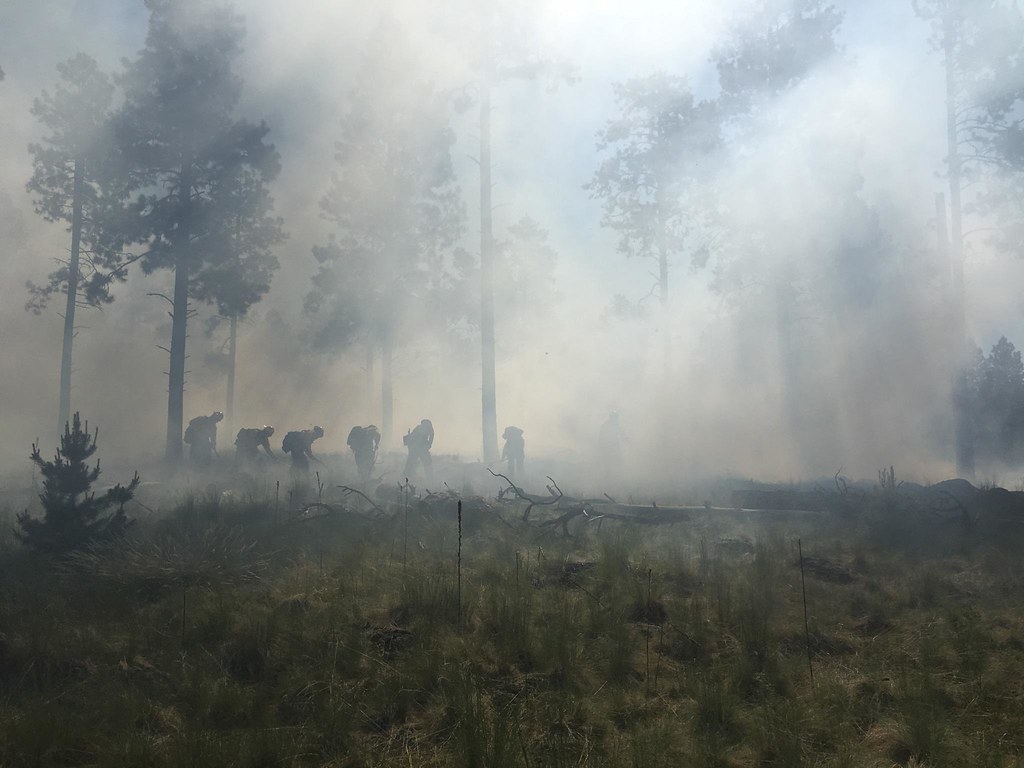
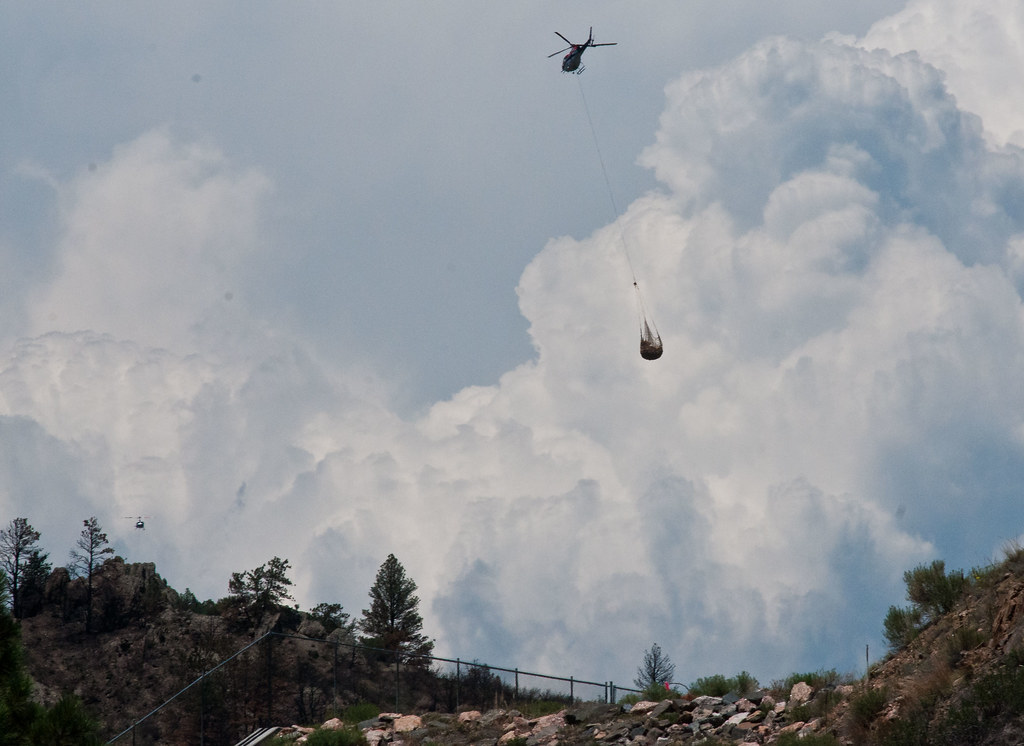
Indonesia wildfire emissions record

This year’s fires arrived during the same stretch that Copernicus recorded the joint hottest August on record globally. A strong El Niño pattern contributed to drier conditions across Southeast Asia at the same time. Dry peat ignites more easily. It also burns longer. Indonesia’s fire season typically runs from July into October. So the emissions recorded so far may not represent the season’s peak. Authorities in Jakarta have historically attributed a large share of the burning to land clearing. Palm oil and pulpwood plantations drive much of that clearing. The practice turns far more dangerous in drought years. Cleared land ignites more easily then, and fires spread faster than crews can contain.

Neighbouring Countries Feel It Before They See the Data

Smoke from Kalimantan and Sumatra routinely drifts across the Malacca Strait into Malaysia and Singapore. It has previously triggered health advisories and school closures during severe haze episodes. Regional air quality monitors typically lag the raw emissions data by days. So the full cross-border health impact of this spike may not be clear until routine monitoring catches up. Indonesia’s government has periodically deployed cloud-seeding aircraft and firefighting teams during past severe seasons. This year’s response scale had not been detailed in available reporting at the time of writing.

The Bigger Climate Feedback Loop

Wildfire emissions on this scale don’t stay a regional story for long. Carbon released from Indonesia’s peat fires adds directly to atmospheric warming. That is the same warming that produced the record August heat in the first place. Warmer, drier conditions in future years tend to make peatland fires easier to start. They also become harder to extinguish. Climate researchers describe this loop simply: heat drives fire, and fire adds heat back. They call it one of the harder feedback effects to reverse, once it takes hold in a given region.

Why This Keeps Happening in the Same Two Islands

Kalimantan and Sumatra aren’t unlucky by chance. Both islands sit on some of the world’s largest tropical peat deposits. Those deposits were drained decades ago for agriculture and plantation expansion. Drained peat dries out far faster than intact wetland. That is part of why the same two islands show up in fire-emissions data most years, not just this one. Indonesian officials have discussed peat-rewetting programs as a longer-term fix. Those efforts move slowly, though, and haven’t yet reduced emissions enough to prevent a new record this year. Environmental groups have pushed for stricter enforcement against illegal land-clearing fires for over a decade, with mixed results across different provinces. Corporate concession maps, published periodically by Indonesian ministries, sometimes conflict with satellite hotspot data, which complicates efforts to pin blame on specific companies for any single fire.

What Indonesia’s Fire Season Does From Here

The next several weeks will show whether this month’s record holds or gets overtaken. The dry season continues either way. Indonesia’s worst haze years have historically peaked in September and October. Monitoring agencies will be watching daily satellite hotspot counts closely as a result. A shift to seasonal rains typically ends the burning each year, more than firefighting alone does — the same kind of weather dependency that shaped recovery from Hawaii’s Hurricane Lowell disruption earlier this month. So the timeline for relief depends heavily on regional weather patterns. Those patterns are themselves being reshaped by the same warming trend driving this year’s records. Regional governments in Malaysia and Singapore have historically activated joint monitoring protocols with Jakarta during the worst haze weeks, a step that hadn’t been triggered as of this record-setting week.

Frequently Asked Questions

What set the Indonesia wildfire emissions record?
Fires across Kalimantan and Sumatra released more than 19.7 million metric tons of CO2 between September 1 and 7, 2026. That was the world’s highest weekly total that week.

Why do Indonesian fires produce so much carbon?
Much of the burning occurs on peatland. Peat stores dense carbon in the soil itself, so fires there release far more carbon per hectare than typical vegetation fires.

Is this connected to the global heat record in August?
Yes. Both events happened during the same drought-prone, El Niño stretch. Hotter, drier conditions make peatland fires easier to ignite and harder to control.

Do neighbouring countries feel the effects?
Historically, haze from Kalimantan and Sumatra has drifted into Malaysia and Singapore, sometimes prompting health advisories. This season’s cross-border impact wasn’t fully documented at the time of writing.

When does Indonesia’s fire season usually end?
It typically continues through October. It eases once seasonal rains return, rather than being extinguished primarily through firefighting.

Sources

  • Portal:Current events/September 2026 — Wikipedia summary of Copernicus/wildfire monitoring data. en.wikipedia.org
  • Copernicus Climate Change Service — August 2026 bulletin. climate.copernicus.eu

Earth Just Tied Its Hottest Month Ever — In Late Summer, Not Peak Summer

August 2026 was the joint hottest August on record. It matched July 2023 as the warmest month ever measured, according to the European Union’s Copernicus Climate Change Service. Global average surface air temperature hit 1.65°C above the pre-industrial baseline. That marks the first time any month has crossed 1.5°C since November 2025.

Why This Is the Hottest August on Record

Copernicus tracks global temperatures using satellite and ground data going back to 1940. It also estimates a longer record stretching to the pre-industrial era. Its September bulletin put August 2026 at 0.85°C above the 1991–2020 average for the month. Two forces drove that number. One is accumulated greenhouse gas warming. The other is a strong El Niño pattern in the Pacific. The agency said ocean heat played an outsized role. Average sea surface temperatures outside the polar regions reached 21.07°C. That broke the previous record of 20.98°C, set in 2023.

Warm Oceans Are Doing More of the Work

hottest August on record

Warmer oceans don’t just raise thermometers at the beach. They add moisture and energy to the atmosphere. That extra energy shows up as heavier rainfall in some regions and deeper drought in others. Copernicus data show western Europe faced severe drought and unusually low river flows through August. Other parts of the world saw the opposite: contrasting wet extremes. That split, drought here and flooding there, matches how scientists expect a warmer atmosphere to behave. It is not a sign the warming itself is uneven or overstated.

Wildfires and Heat Are Feeding Each Other

The record heat arrived alongside record wildfire activity elsewhere. Indonesia’s Kalimantan and Sumatra islands produced more than 19.7 million metric tons of carbon dioxide emissions in the first week of September alone. That was the world’s highest weekly total, and it added its own warming contribution back into the same system Copernicus is measuring. Extreme heat dries out vegetation and extends fire seasons. Large fires then release stored carbon, which adds to future warming. Climate scientists have flagged this feedback loop for years. Now they are watching it play out in near real time.

What the Paris Agreement Threshold Actually Means Here

Crossing 1.5°C in a single month is not the same as breaching the Paris Agreement’s long-term target. That target is measured as a multi-decade average, not a single month’s reading. Scientists at Copernicus have carefully framed August’s number as a milestone in the underlying trend. They stop short of calling it a formal treaty breach. Still, the frequency of these monthly spikes is itself notable. This is at least the second month since 2023 to hit or exceed 1.5°C. Climate researchers point to that pattern when they say the long-term average is closing in on that line faster than earlier models projected.

Heat Records Are Starting to Follow a Pattern

This is not an isolated spike. Copernicus has now logged several months since 2023 that either broke or matched a prior record, and each one has arrived alongside its own set of secondary events: droughts, floods, or fire seasons that ran longer than expected. Researchers studying the data say the pattern matters more than any single month’s number, because it shows the underlying trend accelerating rather than leveling off. That is the detail insurers, farmers, and disaster-planning agencies are now building into their own forecasts.

How This Compares With Past Heat Records

Copernicus has logged a steady string of record or near-record months since 2023, not just this one August. Each prior record drew similar attention, then faded from headlines within weeks once the next news cycle took over. Researchers caution against that pattern this time. They argue the accumulating frequency of these records, not any single month, is the number policymakers should be tracking. A single hot month is weather. A run of hot months, each breaking or matching the last, is closer to climate itself.

What to Watch Before the Next Copernicus Update

Copernicus publishes its next monthly bulletin in early October, covering September 2026. That month typically sees the El Niño-linked warming pattern persist, if it’s still active in the Pacific. Analysts will also watch whether Indonesia’s wildfire emissions keep climbing, since the fire season there usually peaks later in the dry season. Any further global temperature records this year would extend a run that began well before August, one that already includes the unusually active Pacific hurricane season disrupting travel earlier this month. So far, that run shows no clear sign of breaking on its own.

Frequently Asked Questions

Was August 2026 really the hottest month ever recorded?
It tied July 2023 as the joint hottest month in the Copernicus record, with global temperatures 1.65°C above pre-industrial levels.

Does this mean the Paris Agreement’s 1.5°C goal has already been broken?
No. The Paris target is measured as a long-term multi-decade average, not a single month, so one hot month does not constitute a breach on its own.

What role did the oceans play?
Sea surface temperatures outside the polar regions hit a record 21.07°C, adding extra heat and moisture to the atmosphere and intensifying both drought and flood extremes.

How does this connect to the Indonesia wildfires?
Extreme heat and dry conditions extend fire seasons, and this year’s Kalimantan and Sumatra fires released record weekly carbon emissions during the same period Copernicus measured the heat record.

When will the next global temperature update be published?
Copernicus typically releases its monthly bulletin in the first half of the following month, meaning September 2026 data is expected in early October.

Sources

A Cross-Border Sudan Offensive Just Flipped Two Towns in a Week

The Sudan Blue Nile escalation has entered a new phase along Sudan’s border with Ethiopia. A paramilitary-led alliance says it has seized two towns that Sudan’s army had held for months. Fighting around Kurmuk and Geissan sits in the far southeast of Blue Nile state. It intensified through late August and the first two weeks of September. Both sides have pushed reinforcements toward the front.

What’s Driving the Sudan Blue Nile Escalation

Sudan’s civil war is now in its fourth year. It has mostly pitted the Sudanese Armed Forces (SAF) against the paramilitary Rapid Support Forces (RSF). In Blue Nile, the RSF is fighting alongside a faction of the Sudan People’s Liberation Movement-North (SPLM-N). That faction carries its own decades-long grievance against Khartoum. According to reporting from Mada Masr’s Sudan Nashra briefing, the RSF-SPLM-N alliance seized Geissan and recaptured Kurmuk in a coordinated push in mid-August. That forced the army to rush reinforcements to Ed Damazin, the state capital.

Control of the two towns has changed hands more than once since then. Sudan Tribune reported that army units repelled an RSF assault near Al-Keli in late August. Days later, a separate RSF statement claimed it had regained ground in Kurmuk, according to Sudan’s Post. Neither side’s battlefield claims have been independently verified. That is typical of a war fought in remote terrain with little outside media access.

Who Actually Holds Kurmuk and Geissan Right Now

Sudan Blue Nile escalation

As of the second week of September, the picture along the Blue Nile front line stays genuinely contested. The Sudanese army says advance units of an allied Joint Force reached Ed Damazin on September 1. Their goal is joining the fight against the RSF-SPLM-N alliance. The RSF and its allies, for their part, keep claiming they hold both towns. Sudan Tribune’s dispatches describe a pattern of localized attacks and counter-attacks. Neither side holds a clean, stable front line. In this war, “captured” often means “contested” again a week later.

Civilians Are Paying for a War Neither Side Is Winning Cleanly

The human cost is the part both militaries dispute least, and civilians experience most directly. The United Nations human rights office says it documented at least 1,120 civilian deaths from drone strikes across Sudan in the first six months of 2026 alone. That figure represents about 80% of all civilian deaths its monitors recorded in that period. A UN deputy human rights chief separately condemned a sharp rise in hostilities specifically in Blue Nile state. Aid workers nearby report a familiar pattern from Sudan’s war. Families are fleeing on foot toward Ethiopia. Markets have closed. Health facilities that were already stretched now face this latest round of fighting.

Ethiopia’s Role Is Disputed, and Both Governments Know It

A recurring flashpoint is Sudan’s army accusing Ethiopia of hosting and training RSF-aligned fighters near the shared border. Sudanese officials repeated that claim as recently as September 7, according to Sudan Tribune. Ethiopia has made no public admission matching the accusation. No independent body has confirmed it either. Addis Ababa has separately hosted its own diplomatic contacts with Juba, aimed at containing border and Abyei-related tensions. Khartoum’s officials call that inconsistent with the accusation they’re making. Readers should treat the “Ethiopia is harboring RSF fighters” claim as an allegation from one side of the war. It is not an established fact.

What Happens Next Along the Front Line

Neither side holds the clear upper hand needed to end the Blue Nile fighting quickly. The Sudanese army’s Joint Force reinforcements suggest Khartoum intends to contest the area rather than concede it. The RSF-SPLM-N alliance, meanwhile, has shown it can strike across the border repeatedly. Regional mediation efforts have included talks involving Gulf states on the wider Sudan war. None have produced a Blue Nile-specific ceasefire so far. Aid agencies are watching whether displacement toward Ethiopia accelerates. That would echo the pattern already seen in Yemen’s displacement crisis earlier this month. Any UN Security Council statement on Sudan would likely follow, not precede, a clearer picture on the ground. That same dynamic shaped how the Council recently handled an unrelated seat contest, covered in our report on this year’s Security Council election.

Frequently Asked Questions

What is the Sudan Blue Nile escalation about?
It refers to intensified fighting since August 2026 between Sudan’s army and an alliance of the Rapid Support Forces and the SPLM-N faction, centered on the towns of Kurmuk and Geissan near the Ethiopian border.

Who controls Kurmuk and Geissan today?
Control is disputed. Both the Sudanese army and the RSF-SPLM-N alliance have claimed the towns at different points since mid-August, and neither claim has been independently verified.

How many civilians have died in Sudan’s war this year?
The UN human rights office documented at least 1,120 civilian deaths from drone strikes nationwide in the first six months of 2026, which it said accounted for roughly 80% of all civilian deaths it recorded.

Is Ethiopia involved in the fighting?
Sudanese officials have accused Ethiopia of hosting and training RSF-aligned fighters near the border. Ethiopia has not confirmed this, and it remains an unverified allegation.

Is this part of the broader Sudan civil war?
Yes. Blue Nile is one front in a nationwide conflict between the Sudanese army and the RSF that began in April 2023 and is now in its fourth year.

Has any ceasefire been agreed for Blue Nile?
No Blue Nile-specific ceasefire has been reported as of mid-September 2026, despite broader regional mediation efforts on the wider war.

Sources

BRICS New Delhi Declaration: What the 140 Points Actually Say

Leaders of the ten-member bloc adopted the BRICS New Delhi Declaration on 12 September, closing a summit that had looked, for two days, as though it might not produce a joint text at all. The 140-point document papers over real disagreement on the Middle East while making one concrete institutional demand: a bigger seat for India and Brazil at the United Nations.

The declaration was published in full by India’s Prime Minister’s Office under the title “Building for Resilience, Innovation, Cooperation and Sustainability”.

The Security Council line is the headline

China and Russia — both permanent members with vetoes — signed text supporting a greater role for India and Brazil at the Security Council.

Read that carefully. Supporting “a greater role” is not the same as backing new permanent seats with veto power, and no permanent member has ever ratified a reform that dilutes its own position. The wording is a diplomatic win for New Delhi and Brasília in the sense that it exists at all; it commits nobody to a vote.

Still, getting Beijing to sign anything on Indian Security Council ambitions is a shift worth noting, and it happened at a summit India hosted, alongside a Modi-Xi bilateral. Outlook India’s summary of the takeaways treats the clause as the summit’s principal deliverable for the host.

India’s incentive for hosting was largely this. A rotating summit presidency is an opportunity to put national priorities into a consensus text, and New Delhi used it on Security Council language and on the Kashmir condemnation. Whether either translates into anything is a separate question from whether they were worth extracting.

Where the bloc actually agreed

The economic sections carry the least ambiguity, because they describe work already underway:

  • Cross-border payments and local-currency settlement. Members committed to expanding trade settled in their own currencies rather than dollars.
  • Opposition to unilateral measures. The text opposes unilateral trade tariffs, secondary sanctions, and carbon border adjustment mechanisms it deems non-compliant with World Trade Organization rules.
  • Sectoral cooperation. Artificial intelligence, health, energy, food security and supply-chain resilience all get expanded frameworks.

The carbon border language is aimed squarely at the European Union’s border levy, which BRICS members have consistently characterised as protectionism dressed as climate policy. That is the bloc’s own framing, and European officials reject it.

No common currency, again

The declaration did not launch a BRICS currency. It has not launched one at any previous summit either, despite recurring speculation that it might.

What the bloc is actually building is narrower and more plausible: payment rails and bilateral local-currency arrangements that let members trade without routing through dollars. That reduces exposure to US financial leverage at the margin. It does not create a reserve currency, which would require a level of monetary and fiscal integration that members with this range of interest rates and capital controls are nowhere near.

The Middle East language, and what it cost

The hardest negotiation was over West Asia, with the UAE and Iran both inside the tent and on opposite sides of an active conflict.

The agreed text calls for an immediate ceasefire in Gaza, endorses a two-state solution along 1967 boundaries with East Jerusalem as the Palestinian capital, and supports full UN membership for Palestine. It also condemns the April terror attack in Jammu and Kashmir — a clause India pushed for.

Unanimity on that text, among members including Iran, Russia, China, the UAE, Egypt and Ethiopia, required days of drafting. It is a measure of how far the bloc will go to avoid publishing a split, and of how little the declaration therefore binds any individual member’s conduct.

What the summit tells you about BRICS

The bloc’s expansion to ten members bought it a larger share of world population and output, and cost it coherence. A group containing both Iran and the UAE, both India and China, cannot easily take positions with teeth.

What it can do — and what New Delhi delivered — is generate consensus documents that establish alternative framings of the international order: on trade rules, on sanctions, on who belongs at the top table. Those framings accumulate. They also survive contact with the fact that members disagree, because they cost nothing to sign.

The practical test is whether local-currency settlement volumes actually rise over the next year. That is measurable, unlike most of the rest.

Common questions about the declaration

Which countries are in BRICS now?

Brazil, Russia, India, China, South Africa, Egypt, Ethiopia, Indonesia, Iran and the United Arab Emirates.

Did BRICS agree to create a shared currency?

No. The declaration focuses on local-currency trade settlement and cross-border payment systems. No common currency was announced.

Does the declaration change India’s UN Security Council status?

No. It records China’s and Russia’s stated support for India and Brazil playing a greater role. Any actual change to Security Council membership requires UN Charter amendment, which permanent members can block.

What did BRICS say about tariffs?

The bloc opposed unilateral tariffs, secondary sanctions, and carbon border adjustment measures it considers inconsistent with WTO rules.

Is the declaration legally binding?

No. Summit declarations are political statements of intent. They create no enforceable obligations on signatories.

Why was the Middle East section difficult?

Because Iran and the UAE are both members and are on opposing sides of the current conflict. Reaching agreed language required extended negotiation.

Related reading on the shifting trade order: the US-Canada tariff exchange and the Trump-Xi summit in Washington.

Yemen Displacement Crisis Quadruples in a Single Week

The Yemen displacement crisis has escalated sharply, with the United Nations reporting that at least 76,000 people have fled their homes since July — a figure that quadrupled in the space of a single week as Houthi forces pushed a large-scale offensive against government positions.

The International Organization for Migration described a situation deteriorating by the hour. UN News reported the surge on 12 September, with the sharpest concentration in the southwest.

Taiz is bearing most of it

Roughly 8,300 households — close to 50,000 people — have been displaced from districts in Taiz province alone. That is about two-thirds of the total from one governorate.

Taiz has been a front line for most of the war, but the current fighting is different in pace. The Houthis launched their offensive last week and have taken position after position, in fighting that Arab News reported has left hundreds dead. We covered the opening phase in our report on the week that killed 129; the toll and the displacement have both moved substantially since.

Why the numbers moved so fast

A quadrupling in one week is not a gradual humanitarian deterioration. It is the signature of a front line collapsing and civilians leaving ahead of it.

Displacement in Yemen has generally been incremental — families moving short distances, often repeatedly, as shelling shifts. A step change of this size indicates territory changing hands quickly enough that people are leaving in a single wave rather than over months.

It also means aid agencies are responding to a distribution of need that did not exist a fortnight ago. Stocks positioned for a static front are in the wrong places.

The Red Sea coast changes the map

Alongside the inland advance, Houthi forces took Yemen’s Red Sea coast, consolidating control over the approaches to the Bab al-Mandab Strait.

That has consequences well beyond Yemen — the strait is the southern gate to the Suez route and a corridor for Saudi oil exports, which we examined in our coverage of the fall of Mocha. But it has a humanitarian dimension too. Yemen imports the overwhelming majority of its food and fuel, and it does so through ports. Who controls the coast controls what reaches the interior, and on what terms.

What 76,000 people moving actually involves

Displacement figures are easy to read past. It is worth being concrete about what the number describes.

Most of those who flee move short distances — to a neighbouring district, to a relative’s house, to open ground on the edge of a town that already hosts people displaced in earlier rounds. Very few reach a formally managed camp. UPI’s report on the exodus describes families leaving with what they can carry.

The immediate needs are consistent and unglamorous: water, shelter material, cooking fuel, and cash. The medium-term problem is that host communities in Yemen have been absorbing displaced families for the better part of a decade and have very little left to share. Each new wave is landing on thinner ground than the last.

The funding problem underneath

Yemen’s aid operation has been running below requirement for years. A displacement surge of this speed lands on a system that was already rationing.

The mechanics are unglamorous and decisive: shelter materials, water trucking, and cash transfers all have procurement lead times measured in weeks. When 50,000 people move in seven days, the gap between need and delivery is filled by host communities that are themselves poor, or it is not filled.

No new funding appeal had been announced at the time of the UN’s report.

There is a structural reason Yemen struggles for attention even at moments like this. The war has run long enough to lose novelty, and it competes for the same donor budgets as more visible emergencies. Displacement figures that quadruple in a week are precisely the kind of data point that moves funding decisions — but only if they are noticed while they are current.

What determines the next month

Whether the offensive stops. If the Houthis consolidate what they have taken, displacement flattens and the response becomes a logistics problem with a known shape. If the advance continues toward Aden or further into Taiz’s remaining government-held districts, the 76,000 figure will be obsolete quickly.

Watch, too, for port access arrangements. Whether humanitarian cargo continues to move through Red Sea ports under the new control arrangement will determine whether this stays a displacement emergency or becomes a food security one.

Reader questions

How many people have been displaced in Yemen since July?

At least 76,000, according to the United Nations. The figure quadrupled during the week to 12 September.

Which area is worst affected?

Taiz province, where roughly 8,300 households — nearly 50,000 people — have been displaced from districts within the governorate.

What triggered the surge?

A large-scale Houthi offensive against Yemeni government forces launched the previous week, which has taken multiple positions and left hundreds dead.

Have the Houthis taken the Red Sea coast?

Yes. Houthi forces captured Yemen’s Red Sea coast, strengthening their control over the Bab al-Mandab Strait.

Is there a new humanitarian appeal?

No new appeal had been announced when the UN reported the displacement figures. The IOM has warned that the situation is worsening rapidly.

Why does Yemen’s coastline matter for aid?

Yemen imports most of its food and fuel through seaports. Control of the coast determines what supplies reach the interior and under what conditions.

Our continuing Yemen coverage tracks both the humanitarian situation and the shipping consequences — start with the escalation report.