USCIS Fees Are About to Rise — You Have Days to Beat the Deadline

U.S. Citizenship and Immigration Services is raising fees for several humanitarian-protection filings. The USCIS fee increase takes effect October 16, 2026. It covers four filings: the asylum application, parole and advance parole requests, initial work permits for asylum seekers and Temporary Protected Status recipients, and Temporary Protected Status applications. USCIS ties the new rates to inflation adjustments required under the One Big Beautiful Bill Act, known as H.R. 1. The new fees apply only to requests postmarked on or after October 16. Applicants who file sooner still pay today’s lower rates.

USCIS Fee Increase Takes Effect October 16, 2026

The USCIS fee increase touches four filings tied to humanitarian protection. These are the asylum application, the parole and advance parole request, the initial work permit filed by asylum applicants and parolees, and the Temporary Protected Status application. Each fee rises by a modest dollar amount. The increases range from $3 to $30 depending on the form. Even a small increase adds up for someone filing several forms in one case. A family that files an asylum application and a related work permit together will feel the combined increase more than a single filer would. USCIS has not announced any additional change to these four fees beyond the October 16 adjustment.

USCIS says federal law requires regular fee reviews. The agency says the new rates keep its fee schedule in line with inflation under the One Big Beautiful Bill Act. A USCIS spokesperson said the changes “ensure USCIS continues to apply the law as Congress intended while supporting the integrity and sustainability of the immigration system.” The quote comes from Newsweek’s report on the new fee schedule. USCIS describes the increases as routine upkeep. It says they are not a policy shift aimed at any one group of applicants.

Asylum Applications Cost More Starting This Month

Form I-589, the Application for Asylum and for Withholding of Removal, rises from $102 to $105. That is a $3 increase, or about 2.9%. People fleeing persecution file Form I-589 to ask the United States for protection. Many file it soon after arriving in the country. Others file it after an immigration court places their case on track for an asylum hearing.
Asylum application paperwork affected by the USCIS fee increase

The new fee applies the moment the October 16 cutoff passes. It applies no matter how long an applicant has been preparing their case. Applicants should check which version of Form I-589 applies to them. They should confirm the correct fee before mailing it. Keeping a copy of the mailing receipt helps prove the postmark date. A payment for the wrong amount can delay a case by weeks.

Work Permit and Parole Fees Also Climb

Form I-131, used to request parole or advance parole, rises from $1,020 to $1,050. That is a $30 increase, or about 2.9%. Parole lets USCIS admit someone into the country temporarily for urgent humanitarian reasons or a significant public benefit. Advance parole lets certain applicants already in the country travel abroad and return without abandoning a pending case.

The initial Employment Authorization Document, or work permit, also costs more. For asylum applicants, parolees, and Temporary Protected Status recipients, it rises from $560 to $570. That is a $10 increase, or about 1.8%. The permit lets people work legally while their case moves through a system that can take months or years. These two filings already carry some of the highest costs in the humanitarian-protection category. A small percentage increase still adds real dollars for a family filing several forms at once.

Temporary Protected Status Filing Costs Rise

Form I-821, the application for Temporary Protected Status, rises from $510 to $520. That is a $10 increase, or about 2%. TPS lets nationals of certain countries remain and work in the United States. The Department of Homeland Security designates which countries qualify. It typically cites armed conflict, a natural disaster, or another extraordinary condition back home.

TPS status is not permanent. Designated countries come up for periodic review. People covered by the program usually must re-register during specific windows. Every re-registration filed on or after October 16 carries the higher fee. Most TPS holders file an initial work permit application at the same time, which also costs more now. Immigration advocates say the combined cost falls hardest on people who already have few other paths to stable status. They say it adds a financial barrier on top of the uncertainty the program itself creates.

Who Still Has Time to File at the Old Fee

Only the postmark date decides which fee applies. A form mailed on or before October 15, 2026, pays the current, lower amount. A form postmarked October 16 or later pays the new amount. This holds even if USCIS does not receive it for several more days. The deadline now sits inside two weeks. Applicants preparing an asylum application, a parole request, a work permit, or a TPS filing have a narrow window left to mail at today’s rate.

Applicants who are close to finishing their paperwork may want to complete it now. Those who still need more time to gather documents should not rush. An incomplete or incorrect filing can cause delays that cost far more time than the fee difference itself. USCIS has not signaled any further change to these specific fees beyond October 16.

The increase arrives alongside other recent shifts in U.S. immigration processing. USCIS has also narrowed a filing deadline extension that once gave applicants more room to respond to agency requests. A federal court recently addressed a duration-of-status injunction affecting F-1 students. Neither change alters the fees described here. Both show how fast the broader U.S. filing landscape is moving this fall. Anyone with a pending case should confirm current rules before mailing anything.

USCIS Fee Increase: Your Questions Answered

When does the USCIS fee increase take effect?
The new fees apply to requests postmarked on or after October 16, 2026.

How much more will asylum applicants pay?
Form I-589 rises from $102 to $105, a $3 increase of about 2.9%.

What is the new fee for parole and advance parole requests?
Form I-131 rises from $1,020 to $1,050, a $30 increase of about 2.9%.

Did the work permit fee change for asylum seekers and TPS recipients?
Yes. The initial Employment Authorization Document fee for asylum applicants, parolees, and Temporary Protected Status recipients rises from $560 to $570, about 1.8% more.

How much does a Temporary Protected Status application cost now?
Form I-821 rises from $510 to $520, a $10 increase of about 2%.

Why is USCIS raising these fees?
USCIS says the increases are inflation-based adjustments required under the One Big Beautiful Bill Act (H.R. 1). Immigration advocates counter that the increases add financial barriers for people seeking humanitarian protection.

For more on the shifting rules around U.S. immigration filings this fall, see Tamara News’ coverage of the diversity visa pause recently lifted by the State Department.

Sources

USCIS Just Narrowed a Filing Deadline Rule That Could Cost You Days

U.S. Citizenship and Immigration Services has narrowed its rule for extending filing deadlines. The change affects deadlines that land on a weekend or federal holiday. The agency issued a Policy Alert on the change. The new USCIS filing deadline extension policy takes effect October 23, 2026. Under the narrower rule, the next-business-day extension applies in one case only. A law, regulation, or form instruction must set the deadline as a specific number of days, such as “within 30 days.” It will not apply when a birthday, an age cutoff, or a visa or status anniversary date sets the deadline instead.

What the USCIS Filing Deadline Extension Rule Changes

For years, USCIS treated many filing deadlines the way courts treat legal deadlines. If a due date fell on a Saturday, Sunday, or federal holiday, the filing counted as on time when it arrived the next business day. Immigration attorneys relied on that rule constantly, especially for petitions and responses measured in a countable number of days.

Cyrus D. Mehta & Partners PLLC reported the new policy on September 28, 2026, in its Immigration Update. The USCIS filing deadline extension survives for one specific category of deadline. That category covers deadlines a statute, regulation, or form instruction states as a set number of days. Think a 30-day response window or a 90-day filing period. Applicants who miss the exact day count still get the benefit of the weekend or holiday extension.

Which Deadlines Will Lose the Weekend or Holiday Grace Period

The narrower rule drops the extension for deadlines set by a date rather than a day count. That covers any cutoff tied to a birthday or an age limit written into a visa category. It also covers the anniversary of a person’s status, approval, or entry. When the actual date falls on a Saturday, Sunday, or federal holiday, USCIS will not push it forward. The filing has to arrive before that date.

Age-based cutoffs run through immigration law in several forms. A dependent who must file before turning a certain age to keep a benefit illustrates the general mechanism. USCIS did not name specific programs in the alert. The same logic covers any deadline pegged to an anniversary of an approval, an admission, or a change in status. From October 23, 2026 onward, applicants cannot assume a weekend or holiday buys extra time on these date-driven deadlines.

USCIS filing deadline extension

How USCIS Draws the Line Between the Two Deadline Types

USCIS explained the distinction through a Policy Alert. That is the format the agency typically uses to update its Policy Manual outside formal rulemaking. A Policy Manual update like this one takes effect on the date USCIS sets, with no public comment period first. Once October 23, 2026 arrives, the new reading applies. USCIS posts the full update on its own Policy Manual updates page. Cyrus D. Mehta & Partners PLLC’s Immigration Update first flagged the narrower scope for practitioners on September 28, 2026.

The line USCIS draws is simple to state, harder to apply. A deadline counted in days can slide to the next business day. A deadline tied to a specific date cannot. Applicants now need to read the exact wording in the controlling statute, regulation, or form instruction. Only that wording tells them whether a grace period applies. This follows other recent shifts in USCIS filing practice. USCIS recently rejected an outdated Form I-864 edition. It also extended a separate H-1B visa fee deadline into 2027. Applicants tracking priority dates in the September 2026 Visa Bulletin for family-based categories face the same kind of date-driven deadline. The narrower rule now excludes that kind of deadline from any weekend or holiday extension.

How to Prepare Before the New Filing Deadline Extension Takes Hold

Applicants and attorneys have a few weeks to adjust before the rule takes hold. USCIS has not made the change retroactive. Nothing about it changes deadlines that fall before October 23, 2026.

  • Do not count on a weekend or holiday grace period for any date-driven deadline. That includes a birthday, an age cutoff, or a status anniversary.
  • Check whether the controlling statute, regulation, or form instruction states the deadline as a day count or as a fixed date. That wording decides which rule applies.
  • File a few business days early when a date-based deadline falls near a weekend or federal holiday after October 23, 2026.
  • Mark date-driven deadlines on the actual calendar date, not the following Monday. Build in buffer time for mail or courier delivery.
  • Talk to an immigration attorney or accredited representative when a deadline sits close to the effective date. Get help if the applicable rule looks unclear.

Filing Deadline Change: Questions Answered

What is the USCIS filing deadline extension rule change?

USCIS narrowed when a filing deadline that falls on a weekend or federal holiday extends to the next business day. Starting October 23, 2026, that extension applies only to deadlines expressed as a specific number of days. It does not apply to deadlines tied to a date, such as a birthday or anniversary.

When does the narrower rule take effect?

The rule takes effect October 23, 2026, under the USCIS Policy Alert that Cyrus D. Mehta & Partners PLLC reported on September 28, 2026.

Which deadlines still get a next-business-day extension?

A statute, regulation, or form instruction can set a deadline as a specific number of days, such as a 30-day or 90-day filing window. Those deadlines still move to the next business day when they land on a weekend or federal holiday.

Which deadlines lose the grace period?

Deadlines tied to a specific date, including a birthday, an age-based cutoff, or a visa or status anniversary, will not extend. Applicants must file before that exact date even when it falls on a weekend or holiday.

Does the change apply to deadlines before October 23, 2026?

No. The narrower rule applies from October 23, 2026 forward. It does not reach back to reinterpret deadlines that already passed under the prior practice.

Where can applicants read the official policy update?

USCIS posts Policy Alerts and Policy Manual changes on its policy manual updates page. Cyrus D. Mehta & Partners PLLC’s Immigration Update also summarized the September 28, 2026 alert for practitioners.

Additional Reading

Seasonal Employers Just Ran Out of H-2B Workers for Winter

Seasonal employers hoping to bring on H-2B workers for winter are out of luck. USCIS confirmed the H-2B visa cap 2027 for the first half of the fiscal year is full. New petitions requesting start dates before April 1, 2027, will now be rejected outright.

The agency announced on September 11 that it had received enough cap-subject petitions to reach the congressionally set limit. That closed the door earlier than many seasonal employers had hoped.

Work visa paperwork tied to the H-2B visa cap 2027

What the H-2B Visa Cap 2027 Means for Employers Right Now

September 4, 2026, was the final receipt date. That covered cap-subject H-2B petitions requesting start dates before April 1, 2027. USCIS will now reject any new cap-subject petitions filed after that date for the same window. Employers who missed the cutoff have no legal path to bring on seasonal workers this winter through the standard program.

How Fast the Cap Filled This Year

The first-half allocation is capped at 33,000 workers. That is the statutory limit Congress sets each year. USCIS did not disclose exactly how far demand outstripped that number. But the early closure suggests employer demand for winter-season labor stayed strong heading into the filing period.

Who Gets Left Without Workers

The H-2B program covers non-agricultural seasonal work. Think landscaping, hospitality, seafood processing and other industries that lean on temporary foreign labor during peak seasons. Employers in winter-heavy sectors, like ski resorts and holiday hospitality operations, are typically hit hardest when the first-half cap closes early.

Small and mid-sized employers feel the squeeze hardest. Larger companies often have more flexibility. They can shift staffing plans, recruit domestically at higher wages, or absorb the cost of alternative visas. A family-run ski resort or seafood processor has far less room to adapt once its usual worker pipeline is cut off.

Not Every H-2B Worker Counts Against the Cap

Some categories of H-2B workers are exempt from the annual numerical limit altogether. Returning workers under certain past exemptions, current H-2B holders already in the US extending or changing employers, and workers in a handful of specific US territories can all fall outside the capped count, depending on the rules in effect for a given fiscal year. That distinction matters for employers trying to plan around a closed cap.

USCIS publishes updated guidance each fiscal year on which categories qualify for an exemption. Employers uncertain whether a specific hire counts against the cap are generally advised to confirm the current rules with an experienced immigration attorney before assuming a petition is automatically blocked by the closed allocation.

The Second-Half Allocation Is the Next Fight

A separate 33,000-worker allocation exists for the second half of fiscal year 2027. It can draw on any first-half numbers that go unused. Employers with second-half start dates still have a filing window ahead. This cycle’s demand suggests that allocation could fill quickly too.

Why the Program Keeps Filling Faster Each Year

The H-2B cap has closed earlier in recent cycles. Demand for seasonal labor has outpaced the fixed 66,000-worker annual limit. Congress set that limit years ago and has not raised it substantially since. Employer groups in hospitality, landscaping and seafood processing have lobbied repeatedly for a bigger cap. Those arguments have gained little traction, even as the program fills faster nearly every cycle.

Some relief has come in past years through supplemental visa allocations, announced separately from the standard cap. Nothing of that kind has been confirmed for the current fiscal year as of publication.

What Employers Can Do Before the Next Window

Employers who missed this cycle have few options. They can wait for the second-half filing period or explore other visa categories that fit their needs. Immigration attorneys recommend filing as early as the window allows in future cycles, given how consistently the H-2B cap has closed ahead of expectations.

Employers with H-2B workers from a prior season should also check whether those workers qualify for returning-worker provisions. In some years, that pathway has offered more predictability than competing for new cap numbers from scratch.

Some employers are also looking at whether their business genuinely needs a cap-subject filing at all. A handful of roles and locations qualify for cap exemptions each year. Reviewing eligibility before the next filing window opens can save a business from missing out entirely over a technicality.

Answers for Workers and Employers

What is the H-2B visa cap 2027 news, in short?

USCIS announced on September 11, 2026, that it received enough petitions to reach the congressionally set H-2B cap for the first half of fiscal year 2027.

What was the final receipt date?

September 4, 2026, for cap-subject petitions requesting employment start dates before April 1, 2027.

How many workers does the first-half allocation cover?

33,000 H-2B workers, matching the separate 33,000 allocation set for the second half of the fiscal year.

What happens to petitions filed after the cutoff?

USCIS will reject new cap-subject H-2B petitions received after September 4, 2026, that request a start date before April 1, 2027.

Can unused first-half numbers roll over?

Yes. The second-half allocation can draw on any unused first-half numbers, subject to availability.

Sources

More immigration coverage on Tamara News: USCIS will now reject your paperwork over one missed date and your green card priority date could freeze in the next 10 days.

USCIS Will Now Reject Your Visa Paperwork Over One Missed Date

USCIS began rejecting an old, familiar form this week. Starting September 15, the agency requires the USCIS new form editions of Form I-539 and Form I-765, and it is giving applicants no grace period. File with the previous version, even by mistake, and the filing is bounced back.

The change affects two of the most commonly filed forms in the US immigration system. Form I-539 covers applications to extend or change nonimmigrant status. Form I-765 covers applications for employment authorization. Together they are used by students, exchange visitors and many other visa holders every month.

The short version: USCIS updated I-539 and I-765 on September 15. There is no grace period this time. Old editions are rejected on sight. The new edition date reads 09/15/26. F-1 and J-1 filers are affected most. Always download a fresh copy before filing.

What Changed on September 15

USCIS published revised editions of both forms dated 09/15/26. The new I-539 edition replaces the 08/28/24 version. The new I-765 edition replaces the 08/21/25 version. Anyone filing on or after September 15 must use the current edition or risk rejection.

Unlike many past USCIS form updates, there is no transition window here. Previous revisions often came with a grace period of 30 to 90 days that let applicants use either edition. This time, the cutoff arrived immediately, with no warning window at all.

Why USCIS Moved Without a Grace Period

The revised forms align with a final rule establishing a fixed time period of admission and a new extension of stay procedure for F and J nonimmigrant students, exchange visitors and representatives of foreign information media. Because the forms needed to match the substance of that rule, USCIS treated the update as a hard cutover rather than a phased rollout.

Who Is Most at Risk of a Rejected Filing

Anyone who downloaded a form months ago and kept it saved locally is the most exposed group. Immigration attorneys are warning clients not to reuse a previously downloaded PDF, since the outdated version will not be visually obvious to someone who has not checked the edition date printed on the form itself. A rejected filing can also mean losing a filing date that mattered for maintaining status.

Students on F-1 visas applying for Optional Practical Training and exchange visitors on J-1 status extending their programs are among the largest groups affected, simply because of how often they file these two forms relative to other visa categories.

How the USCIS New Form Editions Fit Into a Bigger Rule Change

The form update is not happening in isolation. It follows a final rule that reshapes how the US admits F and J nonimmigrant students, exchange visitors and foreign media representatives, moving away from the old open-ended “duration of status” model toward a fixed admission period. Because that rule changed what information USCIS needs to process an extension or status change, the agency updated the underlying forms to match, rather than layering a fix on top of forms that no longer captured the right data.

Where This Leaves Applicants

Anyone filing I-539 or I-765 from this point forward should download a fresh copy directly from the USCIS website rather than relying on a saved file, a printed copy, or a version linked from a third-party site that may not have been updated. Checking the edition date in the bottom corner of the form takes a few seconds and avoids a rejection that could otherwise cost weeks. Immigration attorneys recommend building this check into any filing checklist going forward, since USCIS has shown it is willing to enforce a hard cutover without warning applicants individually.

Attorneys also suggest printing a fresh copy right before mailing, not weeks in advance. Forms saved to a computer can quietly go stale. A downloaded PDF does not update itself. Treat the USCIS website as the only trusted source on filing day.

The numbers at a glance: Effective date: September 15. Grace period: none. New I-539 edition: 09/15/26. New I-765 edition: 09/15/26. Old I-539 replaced: 08/28/24. Old I-765 replaced: 08/21/25.

Frequently Asked Questions on the Form Change

Which forms changed?
Form I-539 (Application to Extend/Change Nonimmigrant Status) and Form I-765 (Application for Employment Authorization).

Is there a grace period for the old versions?
No. USCIS is rejecting filings on or after September 15 that use an earlier edition.

What edition date should I look for?
The 09/15/26 edition on both forms.

Why did USCIS make this change?
To align the forms with a new rule on fixed admission periods and extension of stay procedures for F and J nonimmigrants and foreign media representatives.

What happens if I file the old version by accident?
USCIS will reject the filing, which can delay your case and, in some situations, affect your maintained status.

Also on Tamara News

Sources

  • USCIS — USCIS to Publish New Editions of Form I-539 and Form I-765; Older Editions Will Be Rejected Starting Sept. 15. uscis.gov
  • RJ Immigration Law — USCIS Updates Forms I-539 and I-765: New Editions Required Starting September 15, 2026. rjimmigrationlaw.com
  • Ellis — New Form I-765 and I-539 Editions Take Effect Sept. 15, 2026: No Grace Period. ellis.com

Two Immigration Forms Change Today — and There Is No Grace Period

From today, two of the most-used immigration forms in the United States have a fresh version
number. The new USCIS form editions of Form I-539 and Form I-765 carry the date 09/15/26.
U.S. Citizenship and Immigration Services says it will reject applications filed on or after 15 September
2026 on any earlier edition. There is no grace period. The agency also says it will reject the new editions
if they arrive early.

What the new USCIS form editions replace

The 09/15/26 edition of Form I-539 replaces the 08/28/24 edition. The 09/15/26 edition of Form I-765
replaces the 08/21/25 edition. Both edition dates print in the lower corner of every page. Check that corner
before you file.

Form I-539 is the application to extend or change nonimmigrant status. Form I-765 is the application for
employment authorisation. Between them they cover a very large share of routine filings: F-1 Optional
Practical Training, STEM OPT extensions, J-2 work authorisation, and status extensions for dependants.

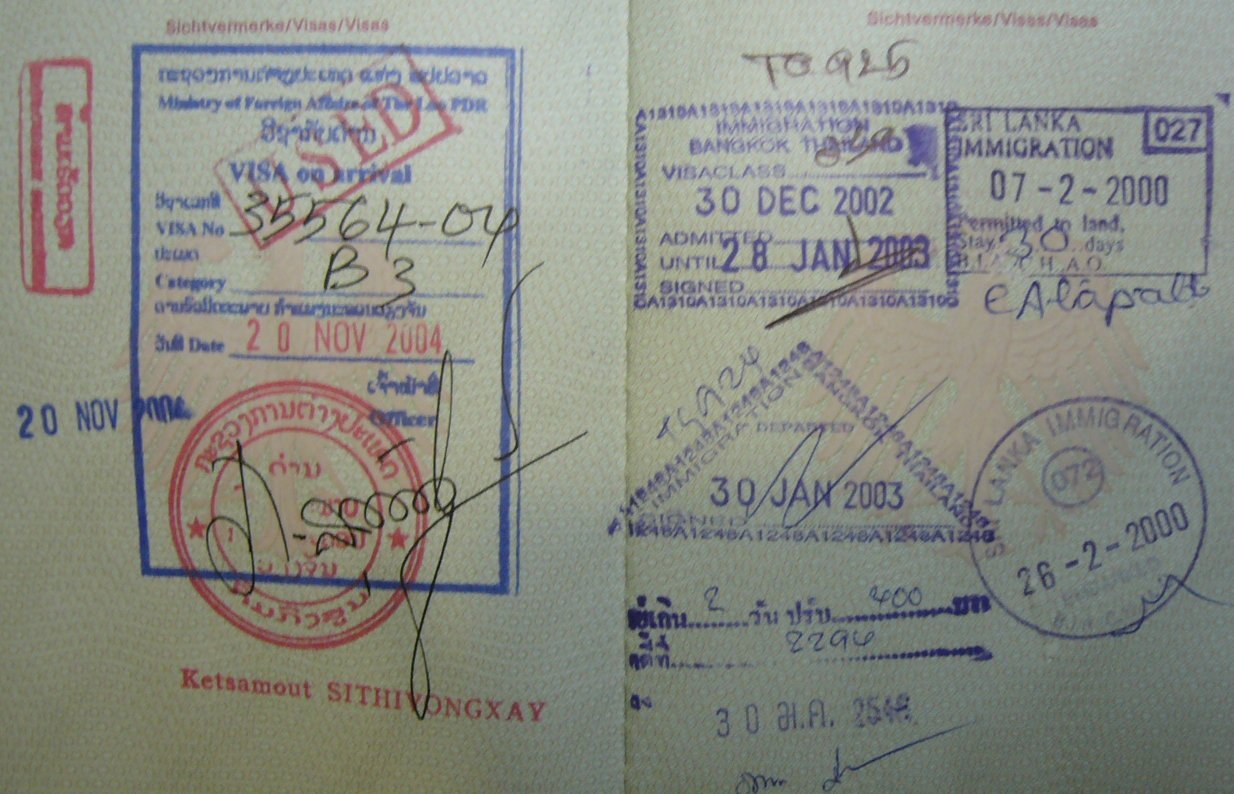
Passport pages with visa stamps illustrating the new USCIS form editions rules
Passport pages and visa stamps. Form I-539 and Form I-765 sit behind most routine status and work-permit filings.

The timing trap in the new USCIS form editions

Most form updates come with a transition window. This one does not. USCIS has said the cutover is hard in
both directions, which creates a narrow trap.

File an old edition on 15 September or later and USCIS rejects it. File the new edition before 15
September and USCIS rejects that too, even though preview copies were already posted. A rejected package
comes back unfiled. Any fee you paid returns with it, and your filing date disappears.

That last point does the damage. A rejected OPT application does not hold its place in the queue. For a
student whose work start date depends on an approval arriving in time, a rejection can cost weeks.

A practical example. A master’s graduate from Vietnam posts an OPT packet on 12 September using the older
I-765. It arrives at the lockbox on 16 September. The edition was valid on the day it was posted and invalid
on the day it was received. Postmark rules matter here, so read the current filing instructions on the USCIS
form page rather than relying on an adviser’s older handout.

Why the forms changed when they did

The revision was not routine housekeeping. USCIS rewrote both forms around the DHS rule replacing
duration of status with a fixed period of admission — the rule that a federal court in Massachusetts
postponed on 14 September 2026.

That sequence leaves an awkward gap. The forms built for a framework now sit alongside an injunction
against that framework. As of publication, the USCIS alert requiring the 09/15/26 editions still stands and
has not been withdrawn. The form requirement and the substantive rule are separate things, and the court
order addressed the rule.

We set out what the court did in our report on
the duration of status
injunction issued on 14 September
. Filing fees are a separate moving part again — see our coverage of
the new H-1B extension fee.

Check these before your envelope leaves

Four checks take five minutes and prevent most rejections.

Download the form fresh from the USCIS website on the day you print it. Saved copies go stale. Confirm
the edition date reads 09/15/26 in the page corner. Confirm the fee against the current fee schedule, not a
printed guide. Keep proof of postage, because the date you can evidence is the date you can argue.

If you filed in the days before 15 September on an older edition, that filing stands. The rejection rule
applies to what USCIS receives from 15 September onward.

What to expect at the filing window

Expect a rejection bulge. Hard cutovers with no grace period generate them, and the volume usually peaks
two to four weeks after the switch. Expect university international offices to reissue guidance, especially
where an earlier advisory told students to file before the deadline.

Watch for a USCIS update tying the forms to the injunction. If the litigation continues, the agency may
clarify which fixed-term questions applicants should answer. Check the official form page immediately before
filing rather than trusting any summary, including this one.

Filing questions answered

Which edition dates are now required?

The 09/15/26 editions of Form I-539 and Form I-765. They replace the 08/28/24 I-539 and the 08/21/25 I-765.

Is there a grace period for old editions?

No. USCIS says it will reject applications on earlier editions that it receives on or after 15 September 2026.

Can I file the new edition early?

No. USCIS says it will reject a 09/15/26 edition postmarked or e-filed before 15 September 2026.

What happens if my application is rejected?

USCIS returns the package unfiled with the fee. You lose the original filing date and have to send it again.

Does the court injunction cancel the form change?

The court order addressed the DHS fixed-term rule, not the form editions. The USCIS form requirement stood as of publication.

Which filings use these two forms?

I-765 covers OPT, STEM OPT and J-2 work authorisation. I-539 covers extensions and changes of nonimmigrant status, including for dependants.

Sources used