A Quiet ATC Software Swap Is Snarling Flights Into Boston, Newark and Philadelphia

An air traffic control equipment change across the Northeastern United States is disrupting flights into three major airports this week. The Northeastern US flight disruptions run from Monday 21 to Tuesday 22 September. Affecting KLM and other carriers flying to, from or via Boston Logan, Newark Liberty and Philadelphia International.
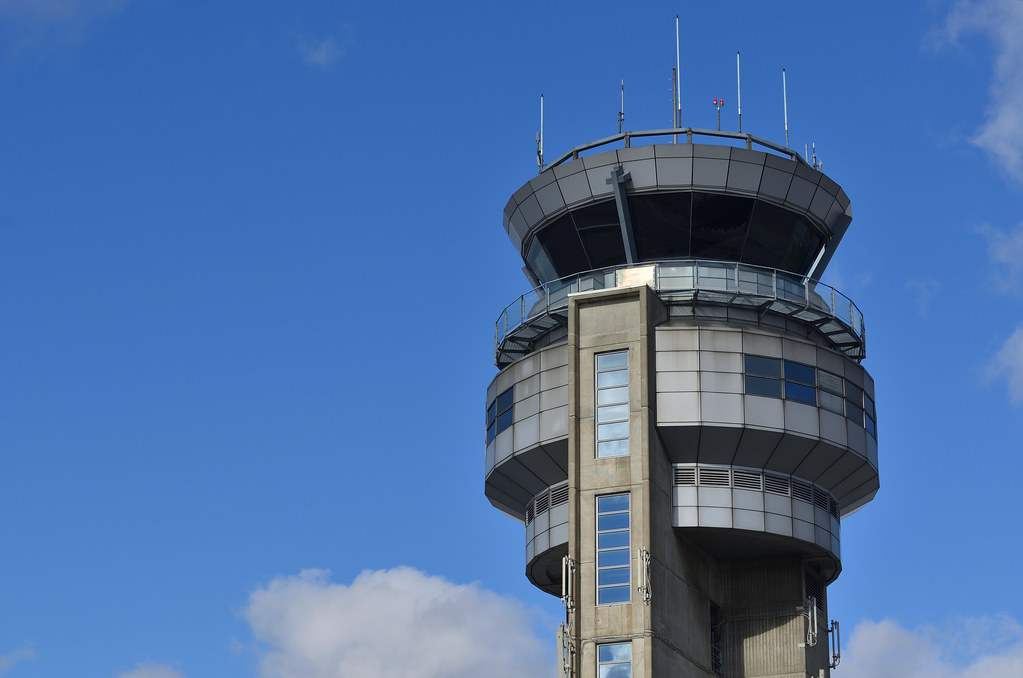
Air traffic control tower amid Northeastern US flight disruptions

What’s behind the Northeastern US flight disruptions

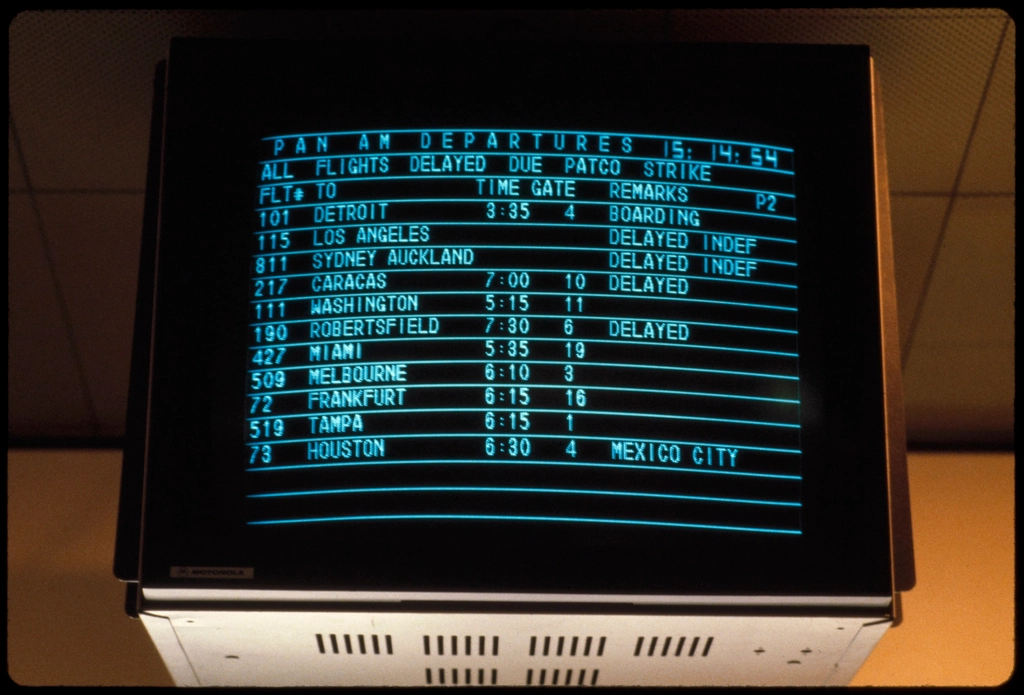
Airlines including KLM have warned passengers that some flights connecting through the three airports may face delays or rebooking during the two-day window. The disruption stems from an equipment change inside the region’s air traffic control system rather than weather or a labor action. This typically means shorter, more predictable delay windows once the swap is complete. But can still cause knock-on schedule problems across a busy travel corridor.

The three airports handle a heavy share of transatlantic and domestic connecting traffic on the US East Coast. So even a short technical window can ripple into missed connections well beyond the region itself.

How this compares with the broader US delay surge

This week’s disruption follows a rougher stretch for US aviation more broadly. Earlier this month, the country logged 868 delays in a single day. A surge attributed to a mix of staffing and system strain across multiple regional control centers. Britain’s own NATS air traffic system produced a separate high-profile failure report during the same period. Aviation regulators on both sides of the Atlantic have faced pressure this year to modernize legacy control infrastructure without triggering the very disruptions that infrastructure work often causes in the short term.

What travelers through the three airports should expect

Airlines are offering flexible rebooking for affected itineraries rather than blanket cancellations. Passengers with connections through Boston. Newark or Philadelphia during the window should check flight status directly with their carrier before heading to the airport. That is because equipment-change windows can shift delay patterns hour to hour rather than producing a single predictable disruption period.

Travel advisers recommend building in extra connection time for any itinerary routed through the three airports this week. That matters most for international travelers whose onward flights may not accommodate a missed domestic connection. Airport lounges and customer service desks at all three facilities have reported higher-than-normal foot traffic since the equipment change window opened. A sign that even short technical disruptions can strain terminal operations well beyond the runway itself.

What happens once the equipment change finishes

Once the swap is complete, normal traffic flow is expected to resume without a lingering backlog. Based on how similar regional ATC upgrades have played out elsewhere this year. The bigger open question is whether this becomes a template for further modernization work at other East Coast facilities. This would mean more short. Scheduled disruption windows like this one rather than the kind of open-ended system failure Britain’s NATS report examined.

Aviation analysts note that scheduled, announced disruptions like this one are generally preferable to the alternative. Unplanned system failures that give airlines and passengers no advance warning at all. The Northeastern corridor’s aging control infrastructure has been flagged for modernization for years. And this week’s window, disruptive as it is for affected travelers. Represents exactly the kind of proactive maintenance regulators have been pushing airports to schedule rather than defer.

Industry groups representing East Coast airports have called for more advance public notice ahead of future maintenance windows. Arguing that a longer lead time would let travel agents and corporate travel managers adjust bookings before disruption hits rather than scrambling once flights are already affected. The Federal Aviation Administration has not indicated whether it plans to change its notification timeline for similar upgrades planned at other facilities in the region over the coming year.

Business travel managers at several large employers in the Boston and New York corridors say they have already rerouted staff through secondary airports where possible for the duration of the window. A workaround that adds cost and travel time but avoids the uncertainty of connections through the three affected hubs. That kind of informal rerouting, multiplied across thousands of individual travelers. Is part of why even a short technical disruption can produce outsized ripple effects across the region’s broader travel economy.

For most leisure travelers, though, the practical advice stays simple. Check the airline’s app or website before leaving for the airport. Build in extra buffer time for any connection routed through the three affected hubs. And expect the disruption to resolve on its own schedule once the equipment change window closes on Tuesday.

Frequently asked questions

Which airports are affected by the Northeastern US flight disruptions?
Boston Logan, Newark Liberty and Philadelphia International are the three airports affected by the equipment change window.

What caused this specific disruption?
An air traffic control equipment change in the Northeastern US, running from 21 to 22 September, rather than weather or a labor dispute.

Which airlines have warned passengers?
KLM has issued advisories for flights to, from or via the three affected airports, and other carriers serving the region may see similar schedule effects.

Is this connected to the earlier US flight delay surge?
It follows a separate incident earlier in September when the US logged 868 delays in a single day, though the causes are distinct.

Should I rebook my flight through these airports?
Airlines are offering flexible rebooking for affected itineraries. Check your carrier’s flight status directly before departing for the airport.

Related coverage

Sources

Qatar and Pakistan Are Quietly Trying to Save the Iran Ceasefire — Is It Working?

Mediators from Qatar and Pakistan are pushing to revive a ceasefire between the United States and Iran. And both sides have paused attacks while the talks continue. This Iran ceasefire diplomatic progress comes five months into a war that has repeatedly slipped from truce to escalation and back again. It also comes days after President Trump said the war “could be almost over,” a claim Tehran has not confirmed.

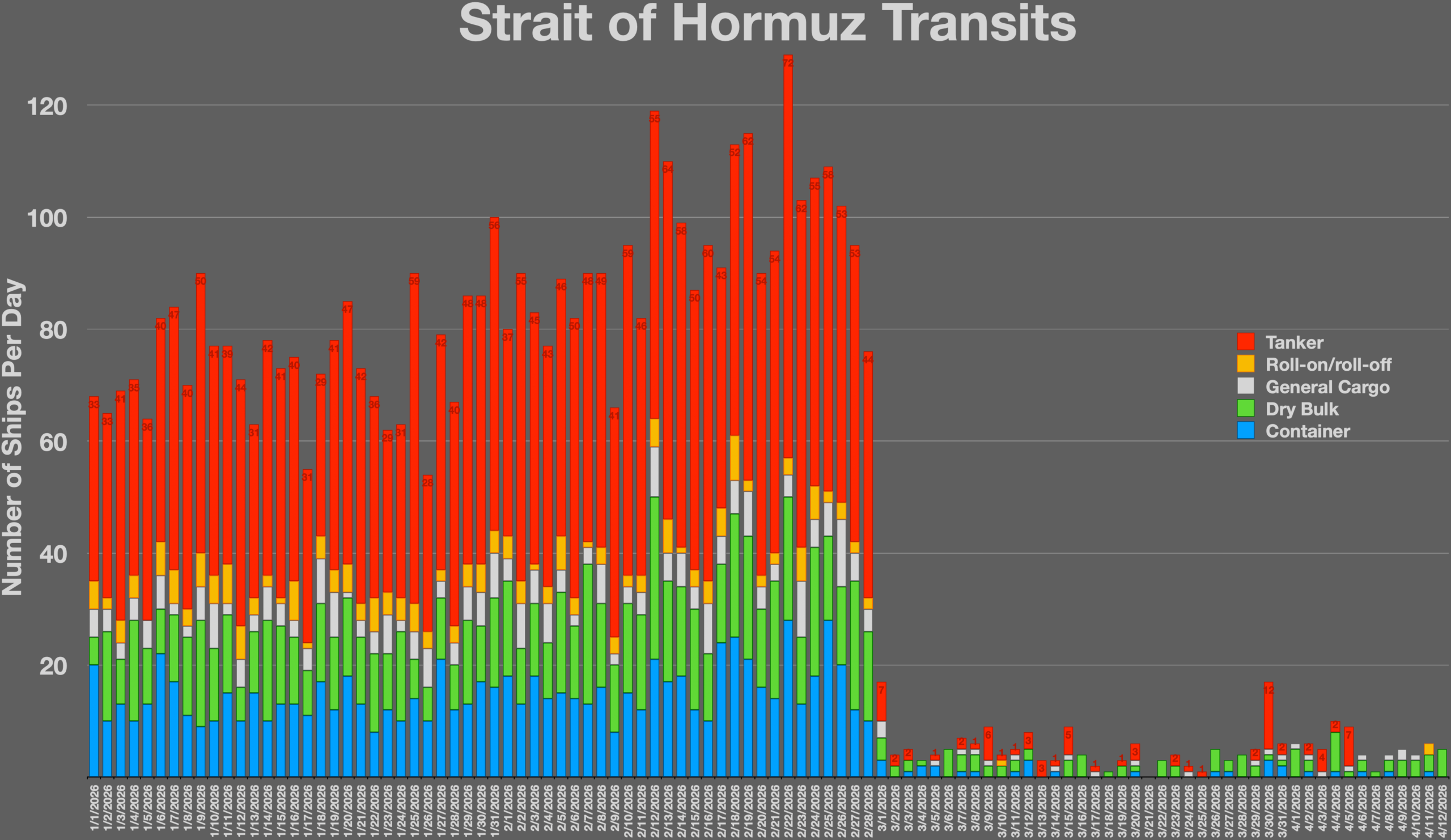
Strait of Hormuz oil tanker traffic amid Iran ceasefire diplomatic progress

How the Iran ceasefire diplomatic progress stalled before

The US and Iran, along with Israel, agreed to an initial ceasefire on 7 and 8 April 2026. It held for weeks before the conflict shifted into a standoff over access to the Strait of Hormuz. On 14 June, mediators announced a memorandum of understanding meant to end the war formally within 60 days. That plan collapsed in July after Iran struck three commercial vessels that had bypassed its approved shipping route through the strait.

Since then, air and drone strikes from both sides have climbed to the highest levels of the war. The Iran theater has its own escalation curve. Driven largely by disputes over the strait and Iran’s ballistic missile program.

What Qatar and Pakistan are trying to broker

Qatari and Pakistani officials are now working to bridge the gap between Washington and Tehran. That is according to mediators cited by The Hill. The goal is an interim ceasefire rather than a full settlement. It is a narrower deal that would stop the shooting while broader disputes over Iran’s nuclear program and missile arsenal stay unresolved. Both American and Iranian forces have reportedly paused strikes during the current round of talks. Neither side wants to be blamed for breaking a fragile pause.

The stakes go beyond the two countries directly involved. Disruption to the Strait of Hormuz, one of the world’s most important oil chokepoints. Has already caused fuel shortages in parts of Asia. It has also pushed up shipping insurance costs globally.

Why the Strait of Hormuz keeps derailing progress

Nearly every collapse in this conflict traces back to the strait. Iran has used restricted access as leverage. Previous ceasefires broke down after specific incidents at sea rather than over land battles. Saudi Arabia’s own oil exports have had to reroute around infrastructure damage. Satellite tracking has shown Saudi loadings shifting back toward the strait only in the past week. As a cross-country pipeline came back online. Any mediated deal will need to address maritime security directly. A general cessation of hostilities will not be enough on its own to hold longer than the April or June attempts did.

Regional governments are watching closely too. Gulf states that depend on tanker traffic through the strait have pushed both Washington and Tehran toward a deal. That is because prolonged disruption hurts their own economies regardless of which side is technically winning the underlying dispute. That shared economic interest is part of why Qatar. It is not a Western power, has taken the lead mediating role this time. Doha has hosted rounds of shuttle diplomacy between American and Iranian officials who are not yet willing to sit in the same room together. A format that slows progress but has kept both sides talking through each prior collapse.

What happens next in the ceasefire push

Negotiators have not set a public deadline for the current round of talks. Congressional researchers tracking the file note that prior agreements collapsed within weeks once a single incident broke the calm. The durability of any new pause will likely be tested quickly. Markets are already pricing in cautious optimism. Oil prices eased through the past several sessions as traders bet on de-escalation. Still, few analysts expect the underlying disputes to disappear even if an interim ceasefire is signed.

What would make this round different from April and June is a narrower scope. Rather than trying to resolve Iran’s nuclear program or missile arsenal alongside a ceasefire. Mediators are reportedly focused only on stopping active strikes and securing safe passage through the strait. A narrower deal is easier to reach but also easier to unwind. That is because it leaves the underlying disputes that caused the war fully intact. Analysts tracking the talks say that trade-off, speed over durability. Reflects how exhausted both sides appear after five months of intermittent fighting.

Frequently asked questions

Is there an active ceasefire between the US and Iran right now?
Not a formal one. Both sides have paused attacks while Qatar and Pakistan mediate, but no signed agreement has been announced as of this report.

What broke the last ceasefire attempt?
The June memorandum of understanding fell apart in July after Iran struck three commercial vessels that had not used its approved shipping route through the Strait of Hormuz.

Why does the Strait of Hormuz matter so much to this conflict?
It is one of the busiest oil shipping routes in the world. Disruptions there have caused fuel shortages in Asia and repeatedly triggered new rounds of escalation between the US and Iran.

Has President Trump confirmed the war is ending?
Trump said the war could be almost over, but Iranian officials have not confirmed that assessment. The current talks are aimed at a narrower interim ceasefire rather than a full settlement.

Who is mediating the current talks?
Qatar and Pakistan are leading the mediation effort, working to bridge gaps between US and Iranian negotiators.

Related coverage

Sources

Flying Without a Real ID Now Costs You $45 and 30 Minutes

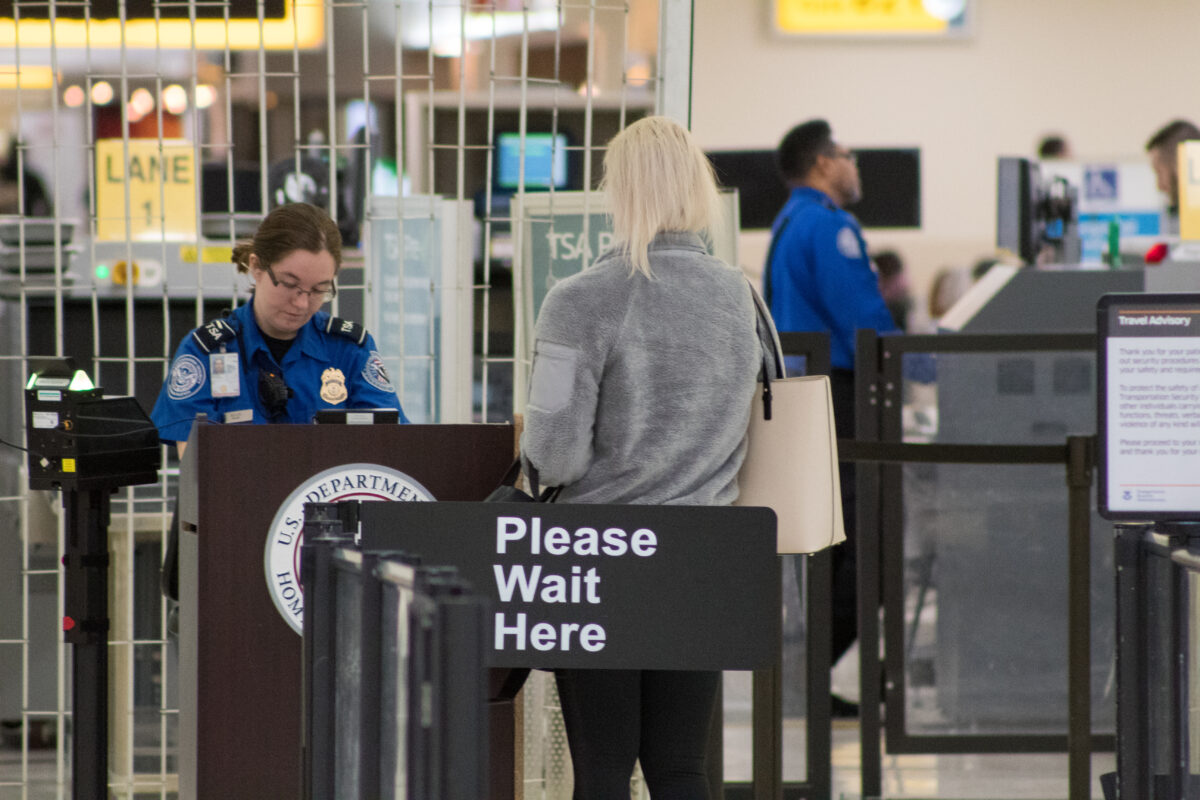
Show up at a US airport security checkpoint today without a compliant ID, and the TSA Real ID fee will cost you $45. On top of that, a screening process can eat 30 minutes or more of your layover buffer.

The fee applies through TSA ConfirmID. That is the biometric and biographic verification system now used to screen travelers who lack REAL ID-compliant identification. It is the latest step in a rollout that took nearly two decades to reach full enforcement.

Passport and travel documents affected by the TSA Real ID fee

How the TSA Real ID Fee Actually Works at the Checkpoint

Travelers without a compliant ID must pay the $45 fee. They must also submit to identification checks through TSA ConfirmID before they can fly. Screening scope varies by airport. TSA has warned travelers to expect delays of 30 minutes or more versus standard processing.

Why It Took This Long to Enforce

TSA finally began enforcing the REAL ID Act on May 7, 2025. That came after multiple deadline extensions stretching back years. The fee and full ConfirmID screening only became mandatory on February 1, 2026. That gave travelers a further window to get compliant documents first.

The original REAL ID Act passed nearly two decades earlier. Repeated delays meant most travelers grew accustomed to flying with almost any state-issued ID. Its formal compliance status rarely mattered in practice. That long grace period is part of why the fee’s arrival still caught some travelers off guard, despite years of advance warning.

The 94% Who Won’t Pay a Thing

TSA data shows 94% of passengers already arrive for flights carrying a REAL ID or another acceptable form of identification. That means the fee and extended screening affect a relatively small share of travelers. For that minority, though, the combination of cost and delay is enough to disrupt a tight connection.

What Documents Actually Count as Compliant

A REAL ID-compliant license or state ID card is marked with a star in the upper corner. A standard US passport or passport card also satisfies the requirement on its own. TSA’s accepted list additionally includes military ID, permanent resident cards and certain federally issued trusted-traveler cards, among a handful of other options.

Travelers sometimes assume any government-issued photo ID will work. That assumption is what catches people out at the checkpoint. A standard, non-compliant driver’s license without the star marking will trigger the fee, even though it remains valid for driving.

How Screening Time Varies by Airport

TSA has not published a single fixed screening time that applies everywhere. Officials say ConfirmID wait times depend on checkpoint staffing and how many non-compliant travelers arrive at a given hour. A busier hub airport at peak travel times is likely to see longer queues for ConfirmID screening than a quiet regional airport, simply because more checkpoint lanes are already under pressure.

How to Avoid the Fee Before Your Next Flight

Travelers can sidestep both the fee and the ConfirmID screening. Carry a REAL ID-compliant driver’s license or state ID. A valid US passport works too, as does another document already on TSA’s accepted list. State motor vehicle agencies have processed REAL ID applications for years. Most travelers can get one without a long wait.

How This Fits the Broader Travel Documentation Push

The REAL ID rollout is one piece of a wider tightening of identity verification across US travel this year. Privacy advocates have raised concerns about the growing footprint of biometric data collection built into programs like ConfirmID. TSA maintains that the system speeds up screening for the vast majority of compliant travelers.

For now, the fee and screening apply only to domestic flyers without compliant ID. International travelers navigating passport requirements remain largely unaffected. That could change if the program expands, though TSA has not signaled plans to do so.

What to Do Before You Book Your Next Flight

Anyone planning domestic travel who is unsure whether their ID is compliant should check with their state’s motor vehicle department before heading to the airport. Enforcement is now fully in effect, with no further grace period expected. The $45 fee and added screening time are here to stay for noncompliant travelers.

Travelers with a tight connection face the most risk, since a 30-minute delay at security can mean missing a flight. Checking ID compliance days ahead of travel, rather than at the airport itself, remains the simplest way to avoid the disruption entirely.

Traveler Questions on the New Fee

What is the TSA Real ID fee?

A $45 charge for domestic flyers who arrive at security without a REAL ID-compliant identification document.

What happens besides paying the fee?

Travelers must also complete TSA ConfirmID screening, a biometric or biographic verification process that can add 30 minutes or more to checkpoint time.

When did enforcement begin?

TSA began enforcing the REAL ID Act on May 7, 2025, with the ConfirmID fee and screening process taking full effect February 1, 2026.

How many travelers are actually affected?

TSA says 94% of passengers already arrive with a REAL ID or another acceptable form of identification.

How can I avoid the fee?

Obtain a REAL ID-compliant driver’s license or state ID, a valid US passport, or another TSA-accepted document before your next flight.

Sources

Related reading on Tamara News: 868 delays in a day: what’s fueling the US flight delays surge and the US flight ban over the Ebola outbreak.

Trump Is About to Sit Down With the Woman Who Replaced Maduro

The Trump Delcy Rodriguez meeting set for this week in New York marks a striking moment. It is the first sit-down between Washington and Caracas at this level in years. It follows a US military operation that removed Nicolas Maduro from power earlier this year.

The White House announced the meeting on September 18. The two leaders will meet the week of September 21. The timing coincides with UN General Assembly activities already bringing world leaders to the city.

United Nations flags in New York ahead of the Trump Delcy Rodriguez meeting

How the Trump Delcy Rodriguez Meeting Came Together

Rodriguez became Venezuela’s acting president after the US operation removed Maduro from power earlier in 2026. She has since positioned herself as a pragmatic counterpart to Washington. That marks a sharp shift. Maduro spent years in open hostility toward US administrations.

Neither government has detailed a formal agenda for the New York meeting. Diplomats briefed on the planning describe it as an early test. Can the two countries build a working relationship after decades of tension? That question looms over the whole encounter.

The Oil Deal Driving the Diplomacy

Last month, the two countries announced an agreement. It gives the United States a stake in Venezuela’s vast oil reserves. Rodriguez has publicly described the deal as a step toward economic recovery. She says it would help modernize Venezuela’s aging oil industry. That industry suffered years of underinvestment and US sanctions.

Venezuela holds some of the world’s largest proven oil reserves. But years of sanctions and mismanagement badly damaged its production capacity. Analysts say a US stake could unlock investment the sector has lacked for years. The deal’s exact terms have not been fully disclosed publicly, though.

What Changed When Maduro Left Power

Maduro’s removal earlier this year followed a US military operation. That operation also detained his wife, Cilia Flores. Both now face drug trafficking charges in the United States. The operation ended more than a decade of Maduro rule. That rule was marked by economic collapse, mass emigration and repeated standoffs with Washington.

Rodriguez has moved quickly to distance her government’s posture from that era. She has called for opening Venezuela’s oil industry to foreign investment. She has also called for warmer ties with the US, according to her public statements since taking charge.

Why This Meeting Matters Beyond Venezuela

A warming US-Venezuela relationship would ripple across the region. Millions of Venezuelan migrants have left the country over the past decade. That exodus reshaped migration patterns across Latin America and the Caribbean. A more stable Venezuela could eventually slow that outflow. Few analysts expect a quick reversal, though.

The meeting also lands amid broader US engagement in the region this year. That includes talks with opposition figures like Maria Corina Machado. Regional governments are watching closely. They want to see how Washington balances those competing relationships going forward.

The Migration Question Hanging Over the Talks

Nearly 7.9 million Venezuelans have left the country in search of protection and better opportunities, according to the UN refugee agency. Most, more than 6.9 million, remain in other Latin American and Caribbean countries. Any sustained economic recovery inside Venezuela would be watched closely by the neighboring governments still absorbing that outflow.

Colombia hosts the largest share of Venezuelan migrants, with roughly 2.8 million people. Officials in the region have said publicly that a more stable Venezuelan economy is central to any long-term solution. A short meeting in New York will not resolve that on its own, but it is being read as an early signal of where the relationship could head.

What to Watch After the Meeting

Neither side has confirmed whether the meeting will produce a formal joint statement. Analysts say the more telling signal will be whether follow-up talks get scheduled quickly. The alternative is that this week’s meeting turns out to be largely symbolic.

For now, the mere fact of the meeting represents a significant break. It ends years of near-total diplomatic silence between the two governments. What follows in the coming weeks will show whether that break becomes something more lasting.

Reaction in Washington will also be worth watching once the meeting concludes. Any public statements from lawmakers afterward could shape how quickly, and how publicly, further talks between the two governments move forward.

Quick Answers on the Trump-Rodriguez Meeting

When is the Trump Delcy Rodriguez meeting happening?

The White House announced on September 18 that the meeting would take place in New York the week of September 21, alongside UN General Assembly activities.

Who is Delcy Rodriguez?

Venezuela’s acting president, who took charge after a US military operation earlier in 2026 removed former president Nicolas Maduro from power.

What deal are they expected to discuss?

An agreement announced last month giving the United States a stake in Venezuela’s oil reserves.

Has Trump met a Venezuelan leader like this before?

No. This is described as the first meeting between the two governments at this level since the operation that removed Maduro.

What has Rodriguez said about the oil deal?

She has called it a step toward economic recovery that would modernize Venezuela’s oil industry, according to her public remarks.

Sources

Related reading on Tamara News: Trump says the Iran war could be almost over and the deal Trump says he now has on Greenland.

Albertans Vote Next Month on Whether to Start Leaving Canada

Albertans go to the polls on October 19 to answer a question few Canadian provinces have ever put to voters. Should Alberta begin the legal steps that could eventually lead to leaving Canada? The Alberta independence referendum vote is one of ten questions on that day’s ballot. It is the one drawing national attention.

The question is narrower than “should Alberta separate.” It asks whether the provincial government should start the legal process, required under the Canadian Constitution, to hold a further binding referendum on separation. A Yes vote opens a door. It does not walk Alberta through it.

Alberta prairie landscape ahead of the Alberta independence referendum vote

What the Alberta Independence Referendum Vote Actually Asks

Premier Danielle Smith announced the question in May 2026. Supporters of staying branded it “Alberta Forever Canada.” It joined nine other questions already scheduled for the October vote. The referendum’s own text is clear: even a Leave result would not force the government to pursue separation outright. It would only open the door to a subsequent, binding referendum.

That two-step structure matters. Voters casting a Yes ballot are not voting Alberta out of Canada. They are voting to let a legal process begin, one that could eventually lead there.

How the Vote Got Here

Alberta has flirted with separatist sentiment for decades. The grievances are familiar: federal energy policy, equalization payments, pipeline approvals. Those tensions sharpened again through 2025 and 2026 as disputes over resource royalties resurfaced. Smith’s government folded the independence question into the broader referendum package instead of holding a standalone vote. Critics say that choice was designed to normalize the idea without forcing a single up-or-down moment on secession.

Supporters counter that bundling lets voters weigh in on several provincial issues at once, cutting the cost of a standalone vote. Opponents say the bundling buries a constitutionally significant question inside routine ballot business.

What the Polling Says About Alberta’s Mood

Public opinion has not swung toward Leave. In mid-August 2026, close to two-thirds of Albertans told pollsters they would vote to remain part of Canada. Under a third favored starting the separation process. That gap has held steady through the campaign. It suggests the vote is more likely to produce a symbolic rebuke of Ottawa than a real mandate for secession.

A Yes Vote Would Not Mean Alberta Leaves Canada

Even backers of the Leave option admit the practical hurdles ahead. Actual separation would require a second, binding referendum. It would need negotiations with the federal government. It would raise constitutional questions never tested at this scale in Canada. Legal scholars compare the path to Quebec’s earlier sovereignty referendums, both of which failed to produce separation.

Why This Matters Beyond Alberta

Other resource-rich provinces are watching closely. Saskatchewan politicians have floated similar grievances over federal energy and equalization policy. A strong Yes showing in Alberta, even on a symbolic question, could embolden similar pushes elsewhere. National unity researchers read the vote less as a genuine secession threat and more as pressure tactics aimed at Ottawa.

Federal officials have mostly avoided commenting on the referendum directly. Some Alberta politicians cite that silence as proof Ottawa does not take the threat seriously.

The Road From Referendum to Anything Binding

If Yes wins on October 19, Alberta’s government would begin the constitutional process for a further referendum, not declare independence. Ottawa has given no sign it would treat a Yes result as a trigger for talks. No timeline exists for a second vote. Most constitutional lawyers expect any binding referendum, if it happens at all, to be years away.

That long runway is part of why some analysts read the vote as symbolic rather than procedural. A strong Leave showing would hand Smith a stronger hand with Ottawa. A strong Remain showing would let federal officials argue the separatist movement lacks real public support.

What Turnout Could Signal

Turnout is one number analysts are watching almost as closely as the result. A low turnout on the independence question, even with a Leave majority, would let Ottawa and Remain supporters dismiss the result as unrepresentative. A high turnout in either direction would carry more weight in the political arguments likely to follow October 19, whichever side wins.

Provincial election officials have not released turnout projections ahead of the vote. Past Alberta referendums and provincial elections have shown turnout can swing sharply, depending on how contentious the ballot questions are seen to be.

Reader Questions on the Alberta Vote

When is the Alberta independence referendum vote?

October 19, 2026, alongside nine other referendum questions on the same ballot.

Does a Yes vote mean Alberta separates from Canada?

No. A Yes vote would only direct the provincial government to begin the legal process toward a future, binding referendum on separation.

Is the Alberta government bound to act on the result?

No. The government is not bound to abide by whichever option wins the most votes.

What do polls show?

In mid-August 2026, close to two-thirds of Albertans said they would vote to remain in Canada, against under a third who favored starting the separation process.

Who is Alberta’s premier?

Danielle Smith, who added the referendum question in May 2026 as part of a wider package of ten questions.

Sources

See also Tamara News coverage of the Global State of Democracy report and Trump’s Greenland deal with Denmark for more on this year’s territorial politics.