• Mon - Fri 9.00 - 19.00

Yearly Archives: 2026

This Ukraine Weapons Depot Strike Is the War’s Deadliest Yet

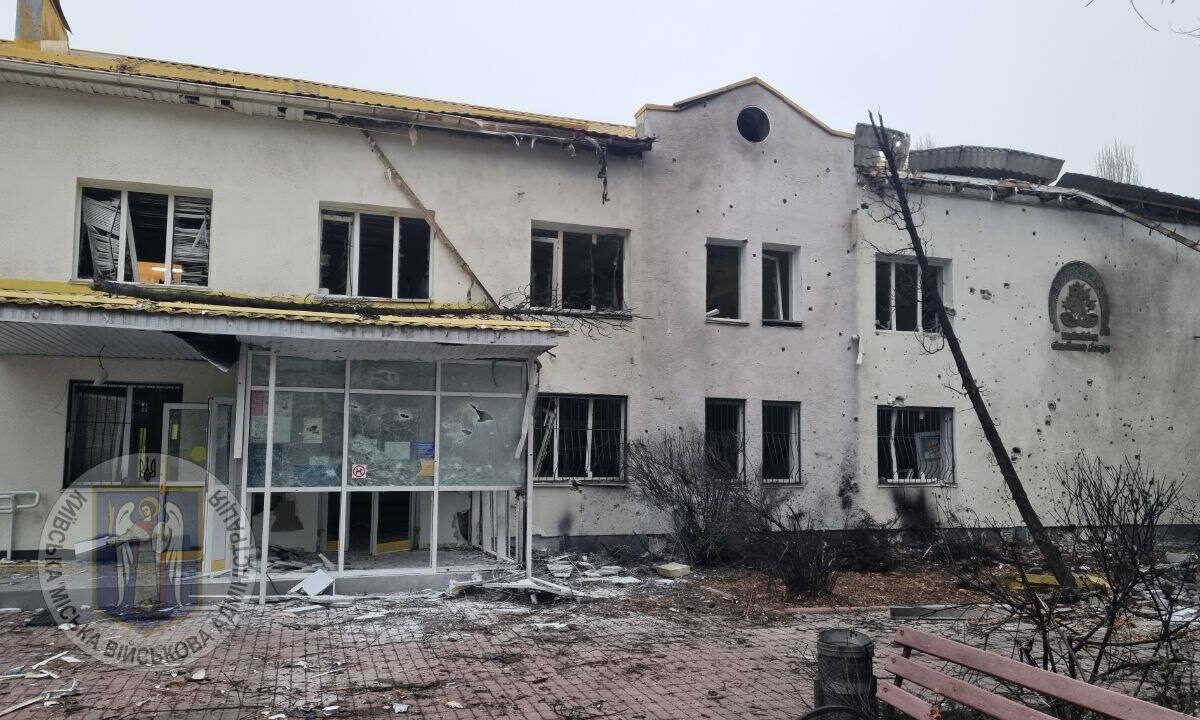
A Ukraine weapons depot strike in the village of Myla, just outside Kyiv, has killed at least 38 people. Ukrainian President Volodymyr Zelenskyy called it the deadliest single attack of the war so far this year. A Russian drone hit an ammunition depot late on 29 August 2026. The impact triggered a detonation that set off secondary explosions and fires. Emergency crews were still fighting those fires a day later.

What the Ukraine weapons depot strike destroyed

The blast injured dozens of people. Rescue teams evacuated hundreds more from the area around the depot as the fires spread. This was the second attack on a munitions storage site near Kyiv within two months. Ukrainian prosecutors have opened a criminal negligence investigation into how the depot was sited and secured. The strike landed as Russian air attacks on Kyiv stretched into a third consecutive day. Ukrainian officials say the intensification has accelerated since mid-August.

Ukraine weapons depot strike

Image credit: Ministry of Defence of Ukraine / Wikimedia Commons (CC BY 4.0)

Why this attack stands out from earlier strikes

Ukraine has absorbed thousands of drone and missile strikes since the war began. Attacks that detonate stored ordnance carry a distinct risk. Their blast radius and secondary fires can exceed what the original warhead alone would cause. That is part of why the death toll climbed so sharply. It rose from an initial count of 27 to 38 as rescue teams worked through the wreckage. Local officials said the scale of the secondary detonations made a final casualty figure hard to establish quickly.

How Kyiv and its allies are responding

Ukrainian authorities used the attack to press allies for faster delivery of air-defense systems. They argue that depots storing Western-supplied ammunition need better protection, given Russia’s apparent ability to track and target them. The strike also lands as the US Senate considers a fresh sanctions bill aimed at Russia’s energy exports. Kyiv has lobbied hard for that bill throughout the summer. European governments supply much of the ammunition stored at sites like the one hit in Myla. They now face renewed pressure to fund hardened storage facilities rather than rely on existing warehouses.

The human toll behind the casualty figures

Emergency responders described a chaotic scene in the hours after the strike. Secondary blasts made it too dangerous to enter parts of the site for several hours. Crews evacuated hundreds of residents in Myla and neighboring communities overnight. Some residents had already fled once before, after the earlier depot attack nearby two months ago. Local hospitals reported treating dozens of injuries, ranging from blast trauma to smoke inhalation. Officials cautioned that the toll could rise further as search teams finish clearing the wreckage.

Ukrainian officials have not released the nationalities or roles of all 38 confirmed dead. Early reports suggest the casualties include both military logistics personnel and civilian residents near the depot’s perimeter. That mix is part of why prosecutors opened a negligence investigation, rather than treating the deaths solely as a wartime casualty count.

How this fits the wider pattern of the war

Russia has shifted more of its strike campaign toward logistics and storage sites over the past year. Ukrainian military analysts attribute the change to diminishing returns from strikes on front-line positions alone. Targeting depots disrupts supply chains further back from the fighting. It also forces Ukraine to disperse storage across more, smaller sites, which is logistically harder and costlier to defend. The Myla strike fits that pattern closely. It hit a facility believed to store both Ukrainian-produced and allied-supplied ammunition, not a front-line position.

Western officials have previously raised concerns that consolidated storage sites make attractive targets. A single successful strike can destroy a disproportionate share of available ammunition. Ukraine’s own military has faced pressure to disperse stockpiles more aggressively. Doing so requires additional secure facilities and transport capacity, which take time to build even with allied funding.

What happens next

Kyiv’s criminal investigation into the depot’s security will likely take weeks. Its findings could shape how Ukraine and its allies store ammunition going forward. Ukrainian officials expect Russian strikes on logistics and storage sites to continue in the meantime. Moscow has increasingly targeted supply infrastructure, not just front-line positions, over the past year. Diplomats say the attack adds urgency to United Nations discussions expected once the General Assembly’s new session opens in September. Allied governments will likely announce specific air-defense pledges in the days ahead, since Kyiv has made that request the centerpiece of its public response.

Frequently Asked Questions

How many people died in the Ukraine weapons depot strike?

At least 38 people were killed, according to President Zelenskyy, after the death toll rose from an initial count of 27 as rescue crews worked through the site.

Where did the strike happen?

The depot was in the village of Myla, near Kyiv. It was the second attack on an ammunition storage site near the capital in two months.

What caused the high casualty count?

The drone strike triggered detonations of stored ammunition, which set off secondary explosions and fires that spread beyond the immediate impact zone.

Is this connected to the pending Russia sanctions bill?

Ukrainian officials have cited the strike while lobbying for a Russia sanctions bill moving through the US Senate, though the two are separate legislative and military developments.

Related Coverage

Sources

Iran US Military Strikes Escalate After Hormuz Attack

Iran US military strikes resumed on 31 August 2026. The clash ended a five-week pause in direct fighting between Washington and Tehran. Iran’s Islamic Revolutionary Guard Corps said it launched missiles and drones at the King Hussein and Al Azraq air bases in Jordan overnight. The attack came hours after the US military struck an Iranian-held position on Larak Island in the Strait of Hormuz. It marks the first confirmed clash between the two countries since a truce held through most of August.

What happened in the latest round of Iran US military strikes

Jordan’s military disputed Iran’s account of the damage. Officials in Amman said air defenses intercepted eight ballistic missiles before any could reach infrastructure or personnel. They reported no casualties. The United Arab Emirates’ Ministry of Defense separately said it shot down a drone launched from Iranian territory toward Emirati airspace. Iran’s state media claimed “heavy damage” to maintenance facilities and aircraft positions at the two Jordanian bases. Jordan rejected that claim outright.

Iran US military strikes

A senior Iranian source told Reuters that Tehran would respond to any American strike “dozens of times greater.” That language suggests further escalation, not a one-off retaliation. US President Trump said the United States was prepared to “hit them hard” if the attacks continued, CNBC reported.

Why the strikes restarted after a five-week lull

The renewed fighting follows a pattern set earlier in the summer. US and Saudi forces struck militia positions in Iraq. Iran responded with missiles aimed at American bases in the region. That July exchange ended with a Pakistan-mediated ceasefire and a memorandum of understanding. Both sides have since accused the other of violating that agreement. The weekend strike on Larak Island appears to have broken the truce entirely.

Energy markets are already pricing in the risk. Middle East hostilities keep pushing oil prices higher. Traders have pushed up expectations for a European Central Bank rate move later this month as a result. That dynamic ties this conflict directly to inflation readings far outside the region.

Who is bearing the direct risk from Iran US military strikes

Jordan and the UAE are absorbing the retaliatory fire. Both are US security partners, but neither is a direct party to the underlying dispute. Jordanian officials have repeatedly stressed that intercepting missiles over populated areas carries its own risk. Falling debris can still cause casualties even when interceptions succeed. Gulf carriers have also begun rerouting some flights away from Iranian and Iraqi airspace, echoing disruptions seen in July. Regional tourism boards have started fielding cancellation questions from travelers who booked trips for the coming weeks, even in countries well outside the immediate strike zones.

How markets are reading the new round of Iran US military strikes

Oil traders pushed benchmark prices higher within hours of the Larak Island strike becoming public. The move extends a rally that began with the June flare-up in hostilities. That earlier spike helped push the European Central Bank to raise its deposit rate for the first time in three years. Traders are now watching whether a second summer of Middle East volatility forces the Federal Reserve and the Bank of England to follow suit. Airlines flying between Europe and Asia have had to recost fuel-hedging positions twice in three months. That cost eventually shows up in ticket prices.

Insurance underwriters covering Gulf shipping routes raised war-risk premiums again after the weekend strikes. Higher premiums on tankers moving through the Strait of Hormuz tend to feed into fuel costs within weeks. That is one reason economists are treating this as more than a regional story.

What happens next

Diplomats involved in the earlier ceasefire talks are reportedly trying to reconvene. No date has been confirmed. Analysts widely expect at least one more exchange of strikes before either side agrees to de-escalate again, based on the pattern from July. Oil markets, Gulf aviation schedules, and the European Central Bank’s inflation outlook will likely move in step with whatever happens next. Regional carriers say they will keep reviewing flight paths daily rather than commit to a fixed routing until the situation stabilizes.

Frequently Asked Questions

Did the latest Iran US military strikes cause any confirmed casualties?

Jordan’s military reported no casualties from the intercepted missiles, and the UAE reported none from the drone it shot down. Iran’s own casualty figures, if any, have not been independently confirmed.

What triggered this round of fighting?

The US military struck an Iranian-held position on Larak Island in the Strait of Hormuz over the weekend of 29-30 August 2026. Iran responded with strikes on bases in Jordan and a drone toward the UAE.

Is this connected to the July 2026 ceasefire?

Yes. Both countries have accused each other of violating the Pakistan-mediated ceasefire and memorandum of understanding reached after the July exchange, and this weekend’s strikes appear to have ended that truce.

How is this affecting travel and energy markets?

Some Gulf carriers have rerouted flights away from Iranian and Iraqi airspace, and oil prices have risen on the renewed hostilities, feeding into inflation expectations at central banks including the European Central Bank.

Related Coverage

Sources

The PHP Signup Step That Stops Codes Going Missing

You do not need an SDK or a WhatsApp Business Platform build to verify a phone number. This guide walks a working WhatsApp OTP API PHP flow using cURL: send the code, verify what the user submitted, and branch on the errors that matter.

This guide uses Replio’s WhatsApp OTP endpoint because it is a single JSON POST with no SDK to install. The shape of the flow is the same whichever provider you use, so the structure transfers.

WhatsApp OTP API PHP flow from send through verify
The four steps of a WhatsApp OTP API PHP integration.

Before you write any PHP code

Three things need to exist first. A WhatsApp number connected to your provider account. At least one approved Authentication template on the WhatsApp Business Account. An API key.

Keep the key server-side. It sends from your verified business number, so a leaked key means someone else messaging your customers under your brand.

WhatsApp OTP API PHP: sending the code

One POST sends the code. You can pass a code you generated yourself, or omit it and let the provider generate, hash and store one for you.

$ch = curl_init("https://engine-production-2647.up.railway.app/api/otp/send");
curl_setopt_array($ch, [
  CURLOPT_RETURNTRANSFER => true,
  CURLOPT_POST           => true,
  CURLOPT_HTTPHEADER     => [
    "Authorization: Bearer " . getenv("REPLIO_OTP_KEY"),
    "Content-Type: application/json",
  ],
  CURLOPT_POSTFIELDS => json_encode([
    "phone"           => "447911123456",
    "idempotency_key" => "signup-" . $signupId,
  ]),
]);

$body   = curl_exec($ch);
$status = curl_getinfo($ch, CURLINFO_HTTP_CODE);
curl_close($ch);

$data = json_decode($body, true);
if ($status >= 400) { throw new RuntimeException($data["detail"]["code"]); }

A success looks like this:

{
  "ok": true,
  "sent_to": "+447911123456",
  "template": "verify_code",
  "credits_charged": 1,
  "verify_enabled": false
}

Read verify_enabled carefully. It is true only when you omitted the code. That flag tells you whether the verify endpoint has anything to check.

Verifying what the user typed back

If you let the provider generate the code, check what the user typed with a second call.

$ch = curl_init("https://engine-production-2647.up.railway.app/api/otp/verify");
curl_setopt_array($ch, [
  CURLOPT_RETURNTRANSFER => true,
  CURLOPT_POST           => true,
  CURLOPT_HTTPHEADER     => [
    "Authorization: Bearer " . getenv("REPLIO_OTP_KEY"),
    "Content-Type: application/json",
  ],
  CURLOPT_POSTFIELDS => json_encode([
    "phone" => "447911123456",
    "code"  => $userInput,
  ]),
]);

$body   = curl_exec($ch);
$status = curl_getinfo($ch, CURLINFO_HTTP_CODE);
curl_close($ch);
$data = json_decode($body, true);

if ($status < 400 && !empty($data["verified"])) { return completeSignup(); }

switch ($data["detail"]["code"]) {
  case "incorrect_code":    return show("That code is not right.");
  case "code_expired":      return show("That code expired. Send a new one.");
  case "too_many_attempts": return forceResend();
}

A correct code returns { "ok": true, "verified": true }. A wrong or expired one is a normal 400, not a 200 with a false flag. Handle it as an error branch.

Where this fits in your signup flow

Treat the send and the verify as two separate states in your own model, not one blocking call. Send the code, store the signup attempt, and return control to the user. Verify runs later, when they submit the form.

That separation matters when things go wrong. If the verify call fails, you still hold the signup attempt and can offer a resend without losing the user’s progress. If you couple the two, a network blip drops them back to the start.

Rate limits sit on the recipient as well as the account. Five codes to one number per hour, and ten verify attempts per number per ten minutes. Surface a clear message when you hit those rather than a generic failure, because a user who resends four times in a minute will hit them.

One detail trips people up on the first run. The phone number goes in international format as digits. A leading plus sign, spaces and dashes are accepted and stripped, but a local-format number without a country code is rejected as invalid_phone. Normalise before you send.

Only a delivered send costs a credit. Rejected requests, rate limits and test-mode calls are free, so strict validation on your side costs nothing.

Handling the errors that actually happen

Branch on the machine-readable code field, never on the human-readable message. The message wording can change at any time; the codes are the contract.

  • incorrect_code — wrong digits. Let the user retry.
  • code_expired — past its time to live. Offer a resend.
  • too_many_attempts — five wrong guesses burn the code. Force a new one.
  • recipient_rate_limited — five codes to one number in an hour. Back off.
  • upstream_error — WhatsApp was unreachable. Safe to retry.

Two habits that save you money and credits

Pass an idempotency key. Networks time out after a send has already happened, and a blind retry sends a second code and spends a second credit. With a key tied to the signup attempt, a retry returns the original result instead.

Then build against a test key. A test credential validates the whole request and applies every rule, but sends nothing and bills nothing.

Hardening the flow before launch

Set a short time to live. Five minutes is the common default and it limits the window for a stolen code. Cap wrong guesses. Never log the code itself.

If you are weighing this against your current SMS provider, we compared the two channels in WhatsApp OTP vs SMS. The full parameter list and error table live in the Replio WhatsApp OTP API reference, and Meta documents the template rules in its message template guide. For context on running WhatsApp as a support channel too, see our piece on answering WhatsApp and Instagram without working nights.

Frequently asked questions

Do I need an SDK for PHP?

No. It is one JSON POST with a bearer token, so your language’s standard HTTP client is enough.

Should I generate the code myself?

Either works. Pass your own code and the provider only delivers it. Omit it and the provider generates one, stores a hash, and gives you a verify endpoint.

How long does a code stay valid?

Five minutes by default, configurable between 60 and 1800 seconds when the provider generates the code.

What if the user never receives it?

Check the error code on the send. If the number has no WhatsApp account the send fails, which is your cue to fall back to SMS.

Is the code stored anywhere?

Replio stores only a sha256 hash of codes it generates, never the code itself. Codes you supply are not stored at all.

Related Guides

Before You Land in Doha, Put These 10 Apps on Your Phone

Moving to Qatar for the first time means building a new phone home screen almost as soon as you land. These are the must-have apps in Qatar that actually earn a spot there. They cover government ID services, getting around, food and grocery delivery, banking, and one tool worth knowing about if you run a small business on the side.

None of these made the list on popularity alone. Each one solves a specific problem a newcomer hits in the first few weeks, from renewing a Qatar ID to finding a ride at 2am.

must-have apps in Qatar

The 10 must-have apps in Qatar, ranked by real use

Numbers below aren’t a strict ranking. They roughly follow the order most newcomers actually need each app, starting with government paperwork and ending with the one tool aimed at business owners rather than everyday errands.

1. Metrash — government and ID services

Metrash is Qatar’s Ministry of Interior app. It is genuinely non-optional for residents. The Ministry retired the older Metrash2 app on March 1, 2025. A rebuilt version replaced it, according to the Qatar Tribune. The new app covers more than 440 services after SIM verification on a Qatar number. That includes Qatar ID renewal, traffic fine payments, visa and exit permit management, address changes, and police clearance certificate requests. It also adds passport scanning for visa applications and a map of service center locations. Download it as soon as your Qatar ID is issued.

2. Hukoomi — the government’s single sign-on

Hukoomi is the national e-government portal. Its app extends one sign-on across more than 1,400 services from different ministries, per Hukoomi’s own service directory. Over 650 of those are fully personalized and transactional, not just informational. It also carries a public events calendar and an interactive map of government offices, banks and points of interest. Metrash covers Interior Ministry services specifically. Hukoomi is the wider net for everything else.

3. Ooredoo or Vodafone — get connected first

Qatar’s mobile market runs on two carriers. You will need one of their apps to manage your line from day one. Ooredoo’s prepaid plans generally offer longer validity periods and wider LTE coverage across the country. Vodafone tends to run slightly cheaper short-term data packs, concentrated in Doha, Pearl and West Bay, according to a comparison by Expatica. Both apps handle top-ups, data bundle changes and bill payment. Pick based on where you will actually live and work, not just price.

4. Ride-hailing: wer2 GO, Uber or Karwa

For getting around, most newcomers settle on wer2 GO, Uber or Karwa — three of the seven Ministry of Transport-licensed ride-hailing apps in Qatar. Which one fits best depends on coverage, pricing and payment options, so see our full ranking of all seven ride-hailing apps in Qatar rather than installing all of them at once.

5. wer2 — e-scooters for short hops

wer2 also runs Qatar’s e-scooter rental network. It’s a separate app from wer2 GO. The idea is simple. Open the app, find a scooter on the map, scan the QR code on the handlebar, and ride. It works well for short trips around the Corniche, Pearl or Lusail that don’t justify booking a full ride. Every scooter in the fleet is electric with zero tailpipe emissions.

6. Snoonu — the do-everything delivery app

Snoonu started as a food delivery app in 2019. It grew into what it calls Qatar’s first super app, according to Gulf Times. Alongside restaurant orders, it now handles grocery delivery through its own Snoomart branches and partner stores. It also covers laundry pickup, pharmacy runs, courier drops and event tickets, all in one app. If you only install one delivery app in your first week, this is the one that covers the most ground.

7. Talabat — the widest restaurant list

Talabat remains the largest food delivery platform in Qatar by restaurant count. It runs across fast food, cafes, bakeries and fine dining. It also carries its own Talabat Mart for groceries and pharmacy items. A loyalty tier called Talabat Pro adds free delivery on qualifying orders. Keep both Talabat and Snoonu installed. Restaurant availability and delivery times vary enough between the two that it’s worth checking both before you order.

8. Your bank’s mobile app — set up before or after arrival

Every major Qatari bank runs a full-service app. Several now let you start the account-opening process before you land. QNB’s digital onboarding, for example, lets you scan a passport and Qatar ID and submit proof of address. You can open a current account without a branch visit. You generally still need a Qatar ID in hand to finish, though. Whichever bank you choose, install the app early. Payroll, rent and most bill payments in Qatar run through mobile banking, not cheques.

9. Visit Qatar — for weekends, not just arrival week

The official Visit Qatar app is run by Qatar Tourism. It’s built for visitors, but it stays useful long after you’ve moved in. It carries an events calendar covering festivals, exhibitions and concerts. It also offers 360-degree previews of attractions like Souq Waqif and Katara Cultural Village, plus personalized itinerary planning with built-in directions. It’s a fast way to find out what’s actually happening in the country on any given weekend.

10. Replio — if you’re bringing a business with you

This one isn’t for everyday errands. It’s for the growing number of newcomers who arrive already running a shop, restaurant or freelance service on the side. Replio is an AI customer-support tool. It answers customer messages around the clock on WhatsApp, Instagram, Messenger, Telegram and a website chat widget. It logs complaints and escalates to a human when needed. For a small business owner juggling a move and a shop at once, it’s one way to stop missing customer messages while you’re buried in visa paperwork.

Frequently asked questions

Do I need a Qatari phone number to use these apps?

Some do. Metrash and most banking apps require SIM verification on a Qatar mobile number. Snoonu, Talabat and wer2 GO work with an international number during setup. A local SIM still makes OTP codes faster and cheaper.

Is Metrash2 still the right app to download?

No. The Ministry of Interior retired the old Metrash2 app on March 1, 2025. Download the newer Metrash app instead. It carries over the same Qatar ID and traffic-fine services under a rebuilt interface.

Which ride-hailing app should I download first?

wer2 GO, Uber and Karwa cover the most ground for newcomers. Qatar’s Ministry of Transport currently licenses seven ride-hailing operators in total. Our full ranking breaks down all seven by coverage and features.

Can I open a Qatar bank account before I land?

With some banks, yes. QNB’s digital onboarding lets you scan your passport and start a current account application from abroad. You still need a Qatar ID to complete it once you arrive.

What’s the difference between Snoonu and Talabat?

Talabat focuses on restaurant and grocery delivery with the widest restaurant list in Qatar. Snoonu is a broader super app. It adds laundry, pharmacy runs, courier drops and event tickets alongside food and groceries.

Do I really need Hukoomi if I already have Metrash?

Metrash handles Ministry of Interior services like ID and traffic fines. Hukoomi is broader. It’s the government’s single sign-on directory for over 1,400 services across multiple ministries, plus a public events calendar.

Related coverage on Tamara News

Sources

A New Executive Order Wants to Stop Visa Holders From Giving Birth on US Soil

President Trump signed a birth tourism executive order on August 6, 2026. It directs federal agencies to crack down on travelers who use tourist or business visas mainly to give birth in the United States. Executive Order 14419 does not touch birthright citizenship law itself. It aims instead to tighten how consular officers screen visa applicants before that question ever arises.

The order arrives alongside a broader run of USCIS and State Department policy changes in August 2026. It is part of a pattern: tightening discretion across multiple visa categories at once.

birth tourism executive order

What the birth tourism executive order actually targets

Executive Order 14419 sets policy to prevent misuse of nonimmigrant visas. That mostly means tourist and business visitor visas. It targets applicants whose main purpose for traveling to the US is to give birth so their child gains citizenship. The order does not try to change birthright citizenship itself. That status stays set by existing constitutional and statutory law, regardless of a parent’s visa status or intent.

Instead, the order works upstream, at the visa screening stage. It directs agencies to develop practices for identifying applicants likely traveling for this purpose. That happens before a visa is even issued. This distinction matters. It is a visa-enforcement action, not a citizenship-law change, even though public debate often conflates the two.

How consular screening could change under the new policy

The order directs agencies to develop screening criteria. Specific operational details were still being finalized as of publication. What questions will officers ask? What documentation will they request? How will pregnancy itself factor into a visa decision? Similar birth-tourism enforcement efforts have historically focused on a few signals. Officers look at visible pregnancy at the time of application. They also weigh limited stated ties to an applicant’s home country, and vague answers about a planned US stay.

Pregnant applicants for tourist visas should expect possible extra questions once agencies finalize implementation. Pregnancy alone has never been a legal bar to receiving a visitor visa.

Why birth tourism sits in a legal gray area

No single federal statute bans traveling to the US specifically to give birth. The legal exposure comes through visa fraud law instead. An applicant who misrepresents their trip’s purpose can face fraud consequences separate from the birth itself. This order leans into that enforcement angle. It aims to catch visa fraud tied to birth tourism before the applicant travels, not after the child is already born a citizen.

Past administrations have debated similar screening measures without fully implementing them, largely because pregnancy itself is not a valid legal basis to deny a visa on its own. This order tries to thread that needle by focusing enforcement on misrepresentation of travel intent rather than pregnancy status directly, though critics argue the two are difficult to separate in practice at the visa window.

What to expect as implementation moves forward

Expect the State Department and USCIS to publish more detailed operational guidance in the coming months. They still need to translate the order’s broad direction into specific consular screening procedures. This administration has moved fast on related visa policy in August 2026. That includes the public charge guidance and the RFE policy change. Further implementation details for the birth tourism order will likely follow on a similarly fast timeline.

Applicants who are pregnant and planning US travel for reasons unrelated to childbirth should keep documentation ready. Proof of return travel, ties to a home country, and a clear stated purpose for the trip can all help at a consular interview once new screening practices take effect. Officers weigh the whole picture an applicant presents, not one factor alone.

Frequently asked questions

What does the birth tourism executive order do?

Executive Order 14419, issued August 6, 2026, sets policy to prevent misuse of nonimmigrant visas. It targets people traveling to the US mainly to give birth so their child gains citizenship.

What is birth tourism?

It means traveling to a country specifically to give birth there so the child acquires that country’s citizenship. The practice is legal in the US under current rules but has drawn criticism for years.

Does the birth tourism executive order change birthright citizenship itself?

No. The order targets visa issuance and consular screening. It does not touch the constitutional citizenship status of children born in the US, which stays governed by existing law.

How will consular officers enforce the new policy?

The order directs agencies to develop screening practices. Officers would look for applicants whose main travel purpose appears to be giving birth in the US, though full procedures were still being finalized as of publication.

Who is most likely to be affected by stricter screening?

Pregnant applicants for tourist or business visitor visas face the most scrutiny. Those in later pregnancy or with limited ties to their home country are most likely to face extra questions.

Is birth tourism illegal under current US law?

No single federal law bans traveling to the US to give birth. The practice sits in a gray area where visa fraud statutes can apply if an applicant misrepresents their travel purpose.

Related coverage on Tamara News

Sources